Seismic wave analysis has provided a rare glimpse into the lasting impact of Earth’s largest known volcanic event. Researchers studying the Ontong Java Plateau have discovered that the colossal volcanic activity occurring more than 100 million years ago did more than just create a massive underwater feature; it fundamentally transformed the oceanic plate beneath it.
A Complex Subsurface Architecture
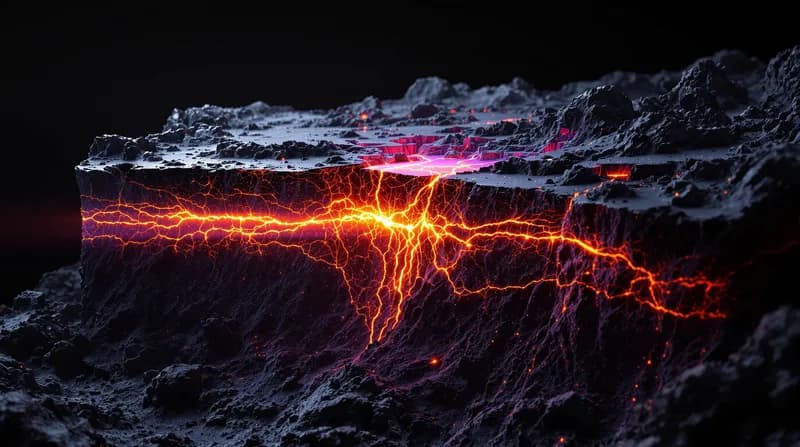
The study reveals a complex internal structure characterized by horizontal layers bisected by vast swarms of vertical magma channels. This intricate network suggests a violent and sustained period of geological formation that differs significantly from standard oceanic crust development.
Chemical Alteration and Seismic Anomalies
One of the most striking findings is the detection of unusually slow seismic waves passing through the region. Scientists believe these slow speeds indicate that deep-rising magma did not merely pass through the plate, but chemically altered its composition. This discovery challenges previous assumptions about the permanence of oceanic plates and provides a new understanding of how massive volcanic provinces can redefine the Earth's lithosphere.