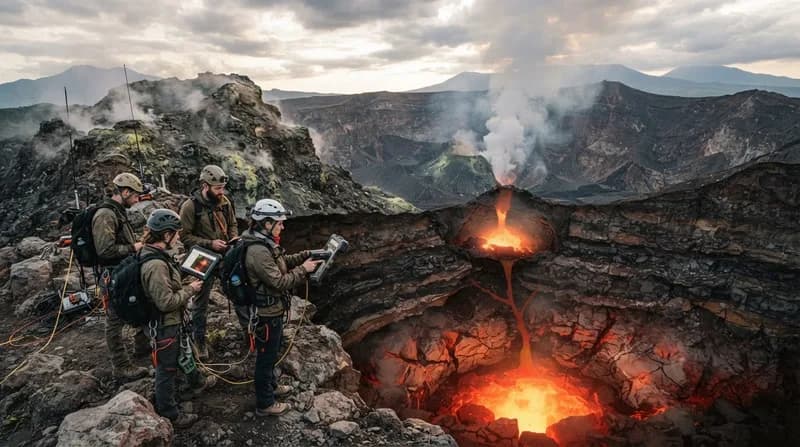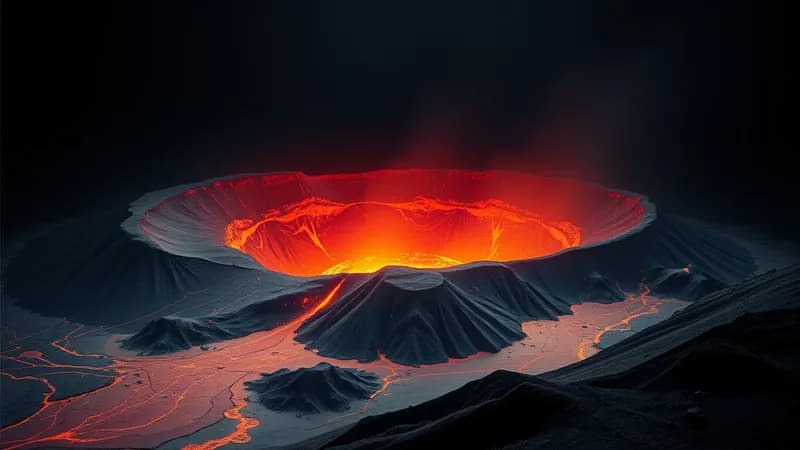
Deep beneath the ocean surface off the coast of Japan, one of the planet's most historically violent supervolcanoes is showing signs of renewed activity. Scientists monitoring the Kikai caldera, a mostly submerged volcanic structure, have identified a significant accumulation of fresh magma within its underground reservoir.
A Historical Giant Awakes
The Kikai caldera is infamous for producing the largest known eruption of the Holocene epoch approximately 7,300 years ago. That prehistoric event ejected massive quantities of volcanic material, devastating the surrounding region and leaving behind the massive underwater crater seen today.
Modern Seismic Findings
Recent seismic surveys have allowed researchers to peer into the Earth's crust, revealing that a vast magma dome is currently filling. The data suggests that fresh molten rock has likely entered the same plumbing system that fueled the catastrophic eruption millennia ago. While this discovery does not imply an immediate threat of eruption, it confirms that the Kikai system remains active and is undergoing a significant recharge phase, providing a rare opportunity for geologists to study the lifecycle of a supervolcano.