A New Chapter for the Leaping Cat
The automotive world was caught off guard in late 2024 when Jaguar initiated a radical brand transformation. The campaign, which featured striking, high-contrast imagery and a departure from the company’s traditional aesthetic, faced immediate and vocal resistance on social media. Critics were quick to label the move as a forced attempt to adopt modern cultural sensibilities, sparking a polarized debate that permeated through public discourse and even reached political circles. However, as the dust settles, Jaguar leadership remains firm, arguing that the vocal minority online is fundamentally mismatched with the brand’s new, exclusive market trajectory.
Rather than seeking the broad, mainstream appeal that once pitted Jaguar against rivals like BMW or Mercedes-Benz, the company is pivoting toward the ultra-luxury segment. This shift places it in competition with prestigious marques like Bentley, where the goal is not high-volume sales but rather high-value, niche engagement. For Jaguar’s managing director, Rawdon Glover, the vitriol experienced online is a symptom of a transition period, not a failure of strategy.
The Jaguar Type 01
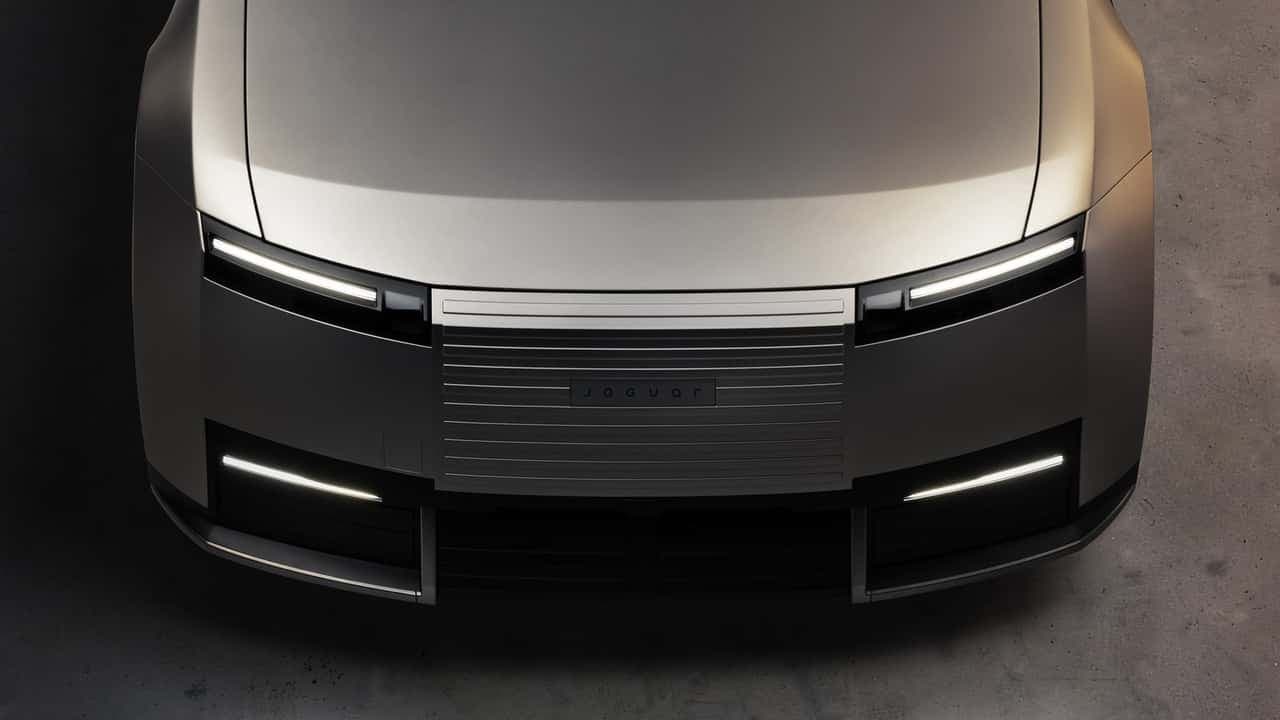
At the heart of this repositioning is the Jaguar Type 01, a large, premium electric sedan that serves as the vanguard for the brand's new design language. Set to hit the market in early 2027 with a starting price of approximately $130,500, the Type 01 is designed for a specific type of buyer—one who values an unapologetically avant-garde design over traditional, conservative luxury norms. The vehicle is intentionally designed to be impractical in the conventional sense, favoring artistic expression and high-end materials to justify its ultra-luxe positioning.
Despite the initial noise surrounding the brand's pivot, the data suggests that Jaguar may be successfully attracting a new demographic. The company reports that 50,000 individuals have expressed interest in the new lineup via its online portal. Crucially, internal data suggests that 78% of these potential customers are new to the Jaguar brand. By securing a high volume of "perfect 10" scores in design clinics, the company feels confident that its decision to ignore the social media "culture war" was the right path to long-term sustainability.
Why it Matters
- Targeting the 1%: By aiming for the ultra-luxury segment, Jaguar is stripping away the pressure to cater to mainstream market expectations, focusing instead on high-margin, design-first vehicles.
- New Demographic Acquisition: The 78% conversion rate of new-to-brand leads validates the strategy that current, legacy-focused critics were never the intended buyers for the upcoming Type 01.
- Design as a Differentiator: Moving away from the crowded mid-tier luxury market allows Jaguar to leverage its British heritage in a way that feels fresh and untethered to the expectations of traditional sedan buyers.
Looking Ahead
The success of this strategy will ultimately be measured not by online engagement, but by the performance of the Type 01 once it arrives in showrooms. By intentionally alienating traditionalists in favor of a younger, more design-conscious consumer, Jaguar is performing a high-stakes gamble. If the company can maintain its current momentum, the noise of the 2024 relaunch will likely be remembered as little more than a growing pain, a necessary sacrifice to secure a permanent place at the table of modern, ultra-luxury electric mobility.