The Keto Paradox
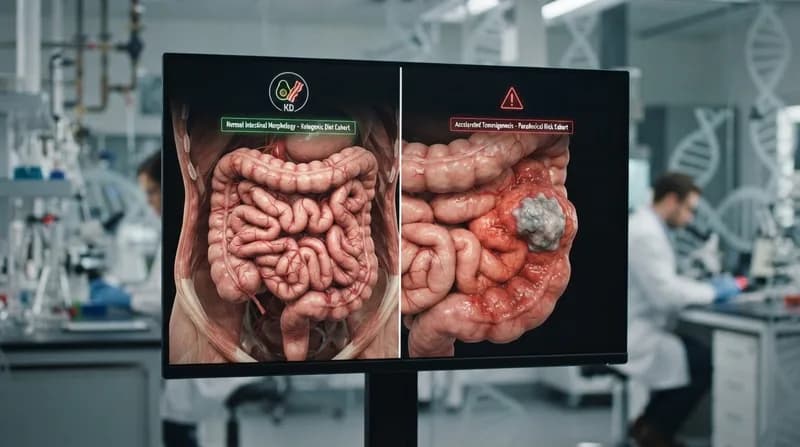
The ketogenic diet, characterized by a high-fat and ultra-low-carbohydrate intake, has long been a subject of intense scientific scrutiny. While it gained popularity for weight loss and its origins as an epilepsy treatment, researchers at the Massachusetts Institute of Technology have now unveiled a complex and potentially dangerous side effect: a tissue-specific cancer risk. According to a study recently published in the journal Nature, the same dietary approach that appears to protect the colon may actually fuel tumor development within the small intestine.
Led by the MIT Stem Cell Initiative, the research team discovered that the culprit is not the ketone bodies themselves—the molecules often touted in commercial health supplements—but rather the way intestinal stem cells metabolize fat. This discovery complicates the narrative surrounding the diet, suggesting that the body's response to dietary shifts can be fundamentally different across adjacent parts of the gastrointestinal tract.
The Mechanism of Risk
To understand the biological drivers of this phenomenon, researchers studied mice genetically predisposed to intestinal cancer. When these subjects were placed on a ketogenic diet, they exhibited a significantly higher rate of small-intestinal tumors compared to those on a control diet. Surprisingly, these rates were on par with, or sometimes exceeded, the tumor development observed in mice consuming a high-calorie, obesogenic diet.
By analyzing cellular behavior, the team determined that the increased risk arises from fatty acid oxidation. When intestinal stem cells burn the abundant fat provided by a keto diet, they activate a family of proteins known as PPARs. This activation accelerates the division rate of the stem cells. While rapid cell growth is vital for tissue repair and injury recovery, an overabundance of active stem cells creates a breeding ground for cancerous changes, effectively lowering the barrier for tumor formation.
A Tale of Two Tissues
Perhaps the most baffling aspect of the study is the opposing reaction observed in the colon. The researchers confirmed that, consistent with previous academic literature, the ketogenic diet appears to suppress tumor formation in the colon. For years, scientists hypothesized that ketone bodies, such as beta-hydroxybutyrate (BHB), were responsible for this protective effect. However, the MIT team's experiments revealed that these molecules are essentially metabolic bystanders.
This finding suggests that the metabolic shift toward fat oxidation has localized consequences that have previously been misunderstood. Because the tumors in the small intestine are driven by fat metabolism rather than ketone concentration, the study concludes that commercial ketone supplements or drinks would not trigger these specific cellular changes, nor would they necessarily provide the protective effects observed in the colon.
Why It Matters
- Tissue Specificity: The research serves as a stark reminder that dietary interventions can affect different organs in entirely different ways.
- Shift in Focus: By identifying fatty acid oxidation—rather than ketones—as the primary mechanism for tumor growth, researchers can now pivot their focus toward metabolic pathways in cancer prevention.
- Clinical Caution: For individuals with inherited risks for intestinal cancer, such as those with familial adenomatous polyposis, these findings highlight the need for extreme caution when adopting restrictive dietary protocols.
Future Implications
As the scientific community continues to unpack these results, the message is clear: nutrition is not a one-size-fits-all solution. Researchers are now working to determine exactly why the small intestine and colon respond so differently to the same metabolic input. For the public, this highlights the importance of moving beyond simplified health trends and understanding the complex, organ-specific impacts of extreme dietary changes.