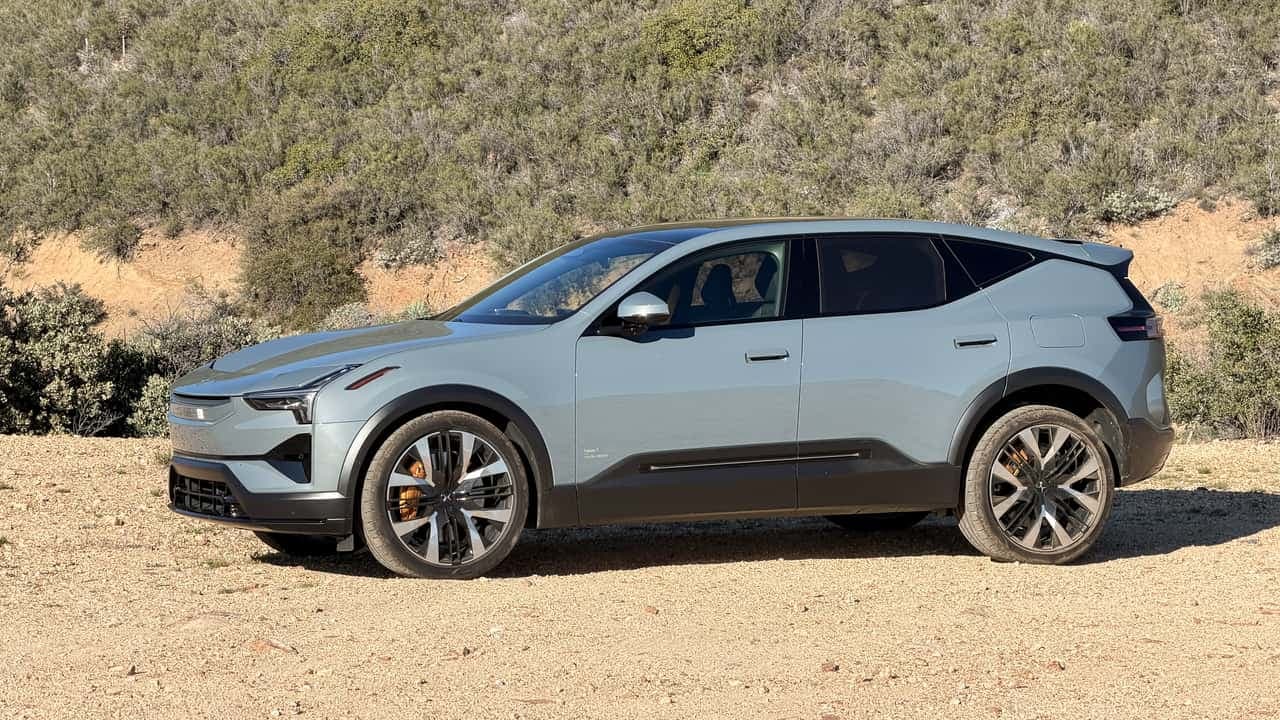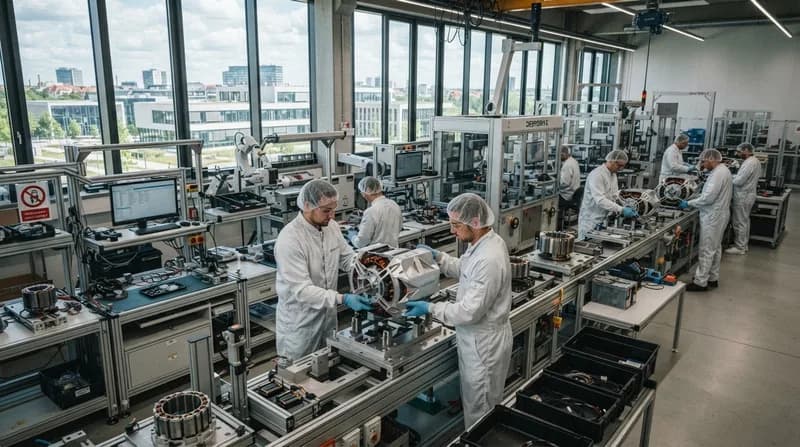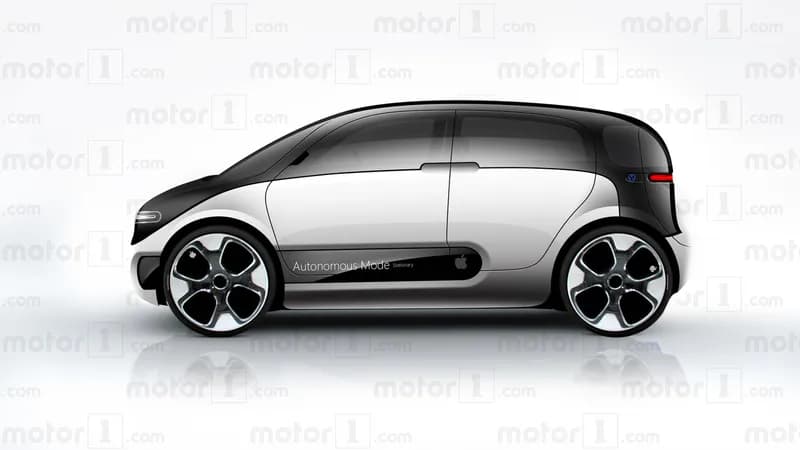
Apple's long-rumored self-driving car program, internally known as Project Titan, may have been officially shuttered, but its technological legacy continues to thrive across the company's current product lineup. The decade-long endeavor, which aimed to redefine autonomous transportation, has served as a massive research and development engine for Apple's silicon division.
The Silicon Silver Lining
Industry analysts point out that the sophisticated AI chipsets originally intended to handle the complex computations of autonomous driving are now helping power the Neural Engines found in modern iPhones and MacBooks. These specialized processors are essential for the machine learning tasks that define the current user experience, from image processing to real-time language translation.
By diverting the high-performance hardware architecture from a vehicle platform to consumer devices, Apple has successfully salvaged years of engineering effort. This transition has allowed the company to maintain a competitive edge in on-device AI processing, even as it steps away from the electric vehicle market.