A global shift toward healthier dietary patterns has the potential to fundamentally transform the agricultural landscape and drastically reduce greenhouse gas emissions. According to recent projections, a widespread move away from heavy livestock reliance could cut emissions from land-use changes by up to 85% by the year 2050.
A Transformation of Land Use
The transition would involve a sharp reduction in livestock farming, which currently occupies a significant portion of the world's arable land. By freeing up these agricultural areas, the environment would benefit from reduced pressure on natural ecosystems and a decrease in the carbon footprint associated with meat production.
Growth in Plant-Based Production
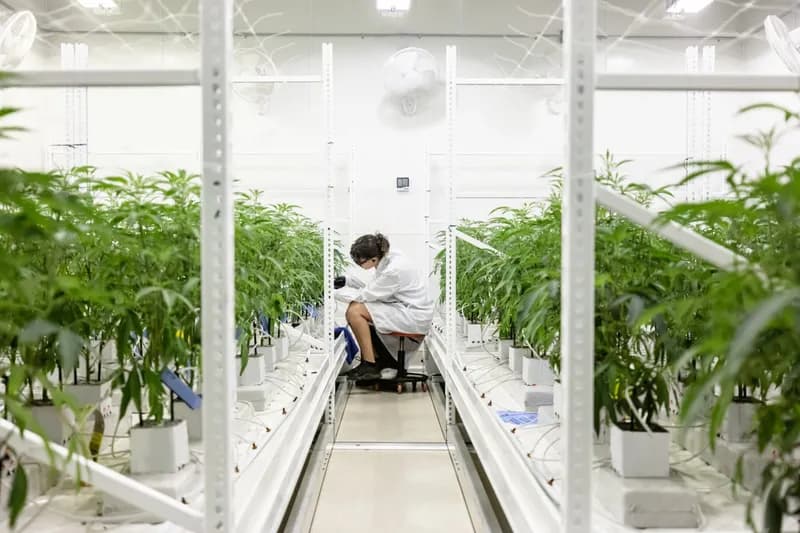
As the demand for traditional livestock products diminishes, the production of fruits, vegetables, nuts, and legumes is expected to soar. This sweeping transformation of what the world grows and eats would not only improve global health outcomes but also create a more sustainable and resilient food system for future generations.