
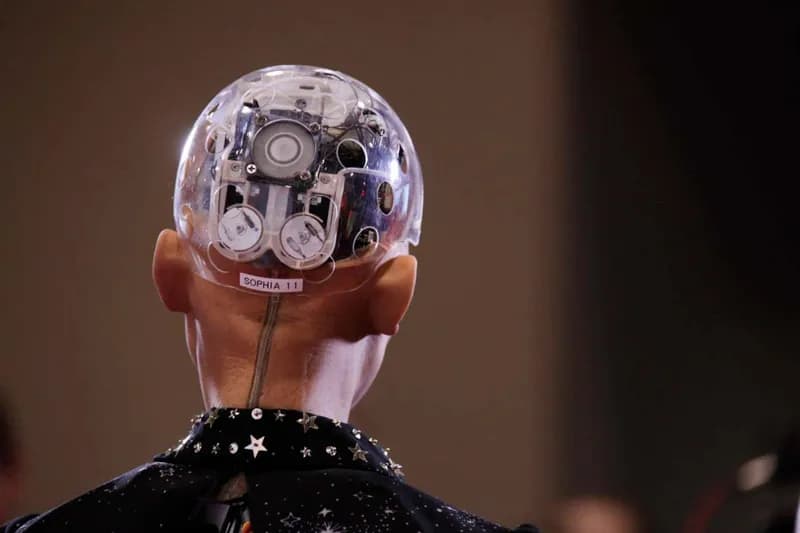
Sarah O'Connor's book We Are Not Machines explores the challenges and adaptations workers face as AI increasingly integrates into professional settings. The book examines how AI changes the structure and experience of work, emphasizing the need to rethink workplace design to protect human well-being. It offers practical insights for managing the evolving relationship between humans and AI technologies in the workforce.
ScienceTechnical Deep Dive
Exploring the Future of Work in the Age of AI
Published
EElectricBuzz Editorial Team
1 min read61 wordsElectricBuzz Editorial Team
The Gist
“Sarah O'Connor's 'We Are Not Machines' analyzes how AI reshapes work and what workers must do to adapt.”
SPONSORED

Editor's Pick Guide
92/100
Tech & Gadgets•12 min read
The 5 Best Over-Ear ANC Headphones of 2026, Tested & Ranked
We locked five over-ear ANC picks for 2026 — Sony WH-1000XM6, Bose QuietComfort Ultra 2, Soundcore Space One, Sennheiser Momentum 5, and Apple AirPods Max 2 — then stress-tested them on lab metrics, long-term owner truth, and live street prices.
Related Stories
Semantically matched articles, ranked by topic overlap and freshness.

Science
The Hidden Reality of Intrusive Thoughts in New Parents
New research suggests that disturbing, unwanted thoughts of infant harm are a surprisingly common experience for parents and are rarely a sign of actual danger.

Science
Oral GLP-1 Medication Orforglipron Shows Consistent Efficacy Across All Menopausal Stages
New research presented at the EASD annual meeting reveals that the daily oral medication orforglipron promotes significant weight loss regardless of a woman's menopausal status.

Science
Uncovering the Link Between Neurodiversity and Early-Onset Type 2 Diabetes
A groundbreaking large-scale study reveals a significantly higher prevalence of ADHD and autism among young people diagnosed with type 2 diabetes, signaling a need for more inclusive healthcare strategies.
Science
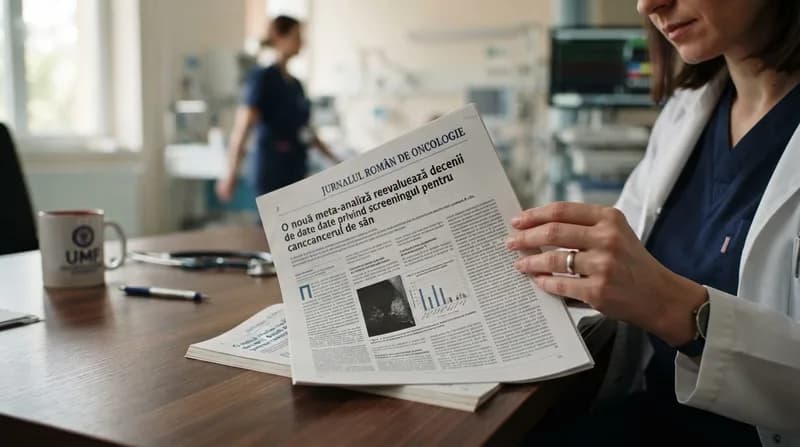
New Meta-Analysis Reevaluates Decades of Breast Cancer Screening Data
A comprehensive reexamination of randomized mammography trials suggests that the risk of overdiagnosis is significantly lower than previously reported.
Science
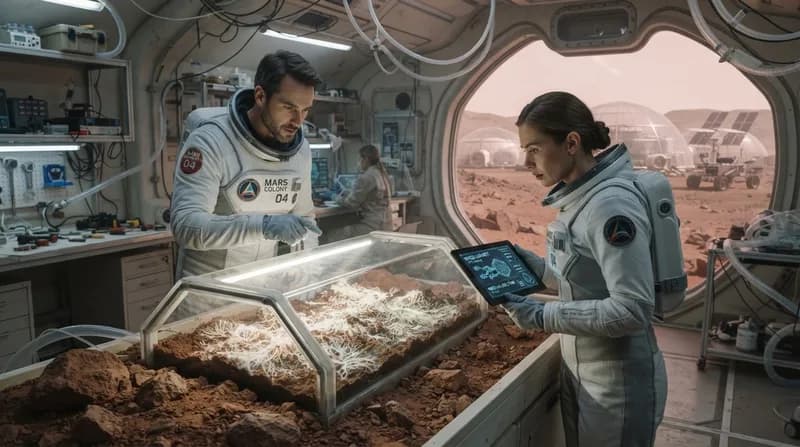
Mycelium Mars: Could Fungi Unlock Extraterrestrial Farming?
Researchers are investigating whether symbiotic fungi could be the key to transforming nutrient-poor lunar and Martian regolith into viable farmland for future space colonists.

Science
Ancient Ink Breakthrough: How Lead Reveals Lost Secrets of Vesuvius Scrolls
Scientists have discovered that trace amounts of lead in ancient ink could be the key to reading carbonized Roman scrolls without ever unrolling them.

Science
Rewriting Earth’s History: Rethinking a 2-Billion-Year-Old Geological Puzzle
New research suggests a landmark chemical signature from Earth's past, once thought to represent a global climate event, may actually be the result of localized volcanic heating.
Science
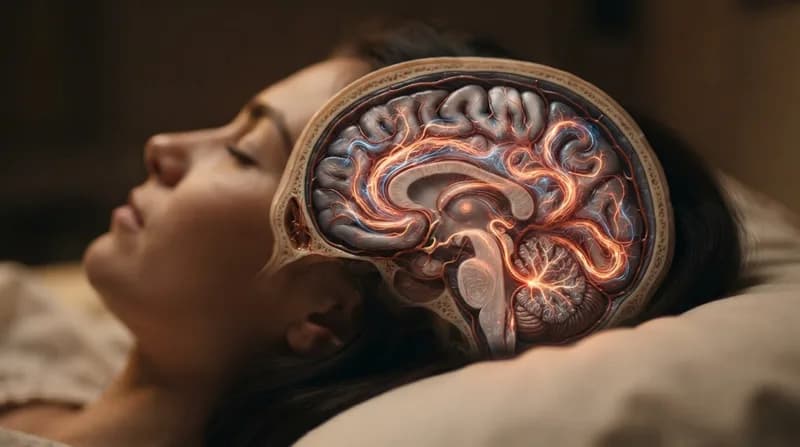
The REM Paradox: Why Your Brain Works Overtime While You Sleep
New research from Tohoku University reveals that the brain's energy consumption spikes during REM sleep, even as the body attempts to bolster its fuel supply.