A recent study conducted by the International Council on Clean Transportation (ICCT) and Fraunhofer ISI has highlighted a significant shift in the German automotive market. Between 2020 and 2025, the real-term cost of owning a battery-electric vehicle (BEV) in Germany decreased by approximately 18%.
Expanding Market and Falling Costs
The research indicates that the financial barrier to entry for electric mobility is lowering, making EVs an increasingly competitive alternative to traditional internal combustion engine vehicles. This price reduction is attributed to technological advancements, improved manufacturing scales, and shifting market dynamics over the five-year period.
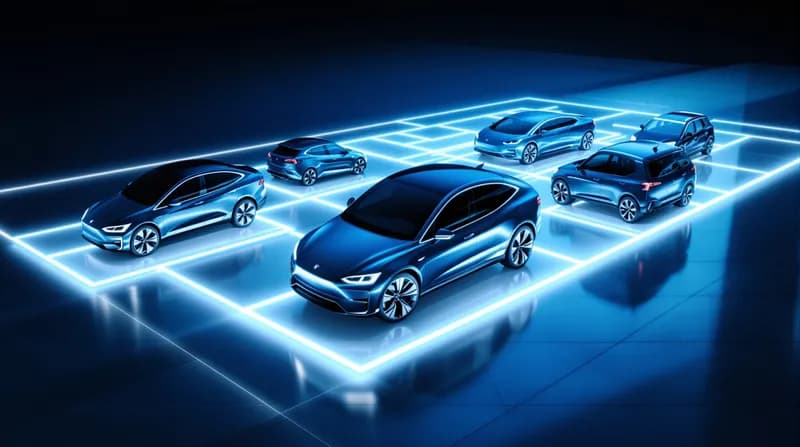
Furthermore, the study found that consumer choice has expanded dramatically. The number of available EV models in the German market has more than quadrupled since 2020, providing buyers with a much broader range of options across various price points and vehicle segments.