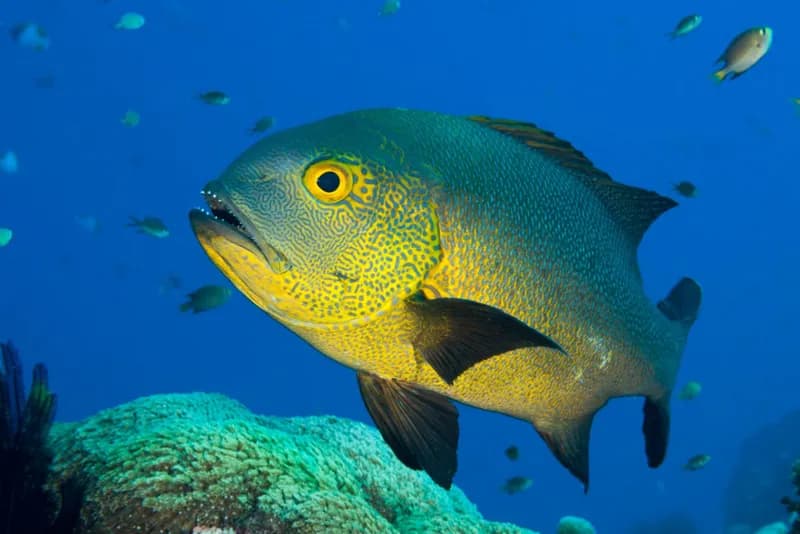
The question of how fish recognize others of their own species has long intrigued marine biologists, revealing a biological process far more complex than simple visual identification. While humans rely heavily on facial features, fish utilize a sophisticated suite of sensory inputs to navigate their social landscapes.
Multisensory Identification
Experts suggest that species recognition often involves a combination of visual, chemical, and even acoustic signals. Many species are equipped with specialized receptors that can detect specific pheromones or chemical signatures released by their peers. This 'olfactory fingerprinting' is crucial in murky waters where visibility is limited.
Visual and Behavioral Cues
Beyond chemistry, visual patterns such as bioluminescent displays, specific scale colorations, and distinct movement patterns play a vital role. Some species exhibit unique 'dances' or swimming behaviors that serve as a biological handshake, ensuring they interact with the correct mates or school members. Understanding these mechanisms provides deeper insight into aquatic biodiversity and the evolutionary pressures of underwater life.