A Strategic Hub for the Nordic Region
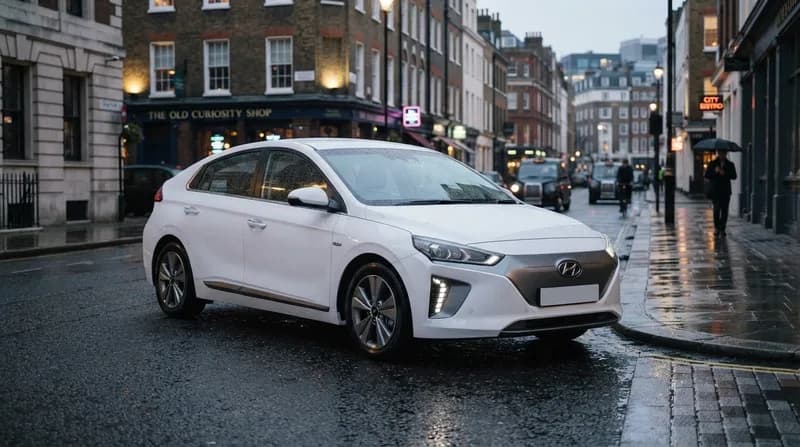
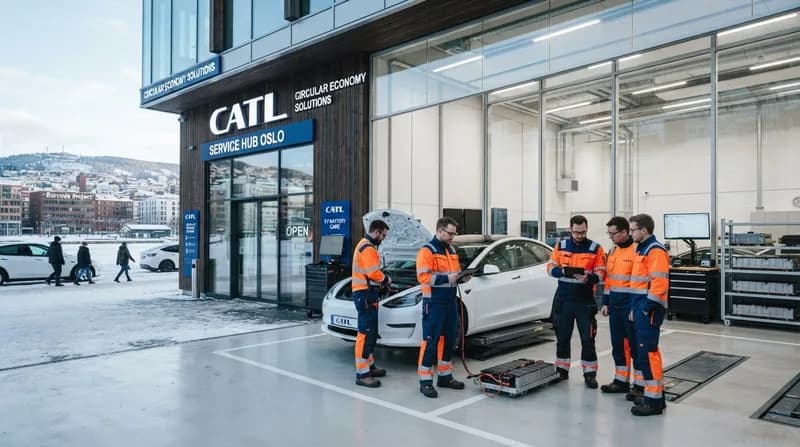
As Norway continues to lead the global charge in electric vehicle adoption—with battery-electric passenger cars accounting for an astonishing 98.7% of new registrations as of August—the infrastructure to support an aging fleet has become a critical necessity. Chinese battery manufacturing powerhouse CATL has responded to this demand by opening its largest Ning Service Center outside of Asia. Located in Oslo, the 8,000-square-meter facility serves as a comprehensive hub for battery diagnostics, maintenance, repair, and recycling, marking a pivotal moment in the company’s European expansion strategy.
The Oslo center is designed to be more than just a repair shop; it functions as an experience and training hub for the broader Nordic region. Beyond servicing passenger vehicle batteries, the facility caters to the burgeoning sectors of energy storage systems (ESS), robotics, and electric maritime applications, including high-tech eVTOL aircraft. By establishing such a significant physical presence, CATL is positioning itself at the center of the Nordic green transition, ensuring that as the vehicle population matures, the necessary technical expertise remains readily available.
Reframing the Aftermarket: Repair Over Replacement
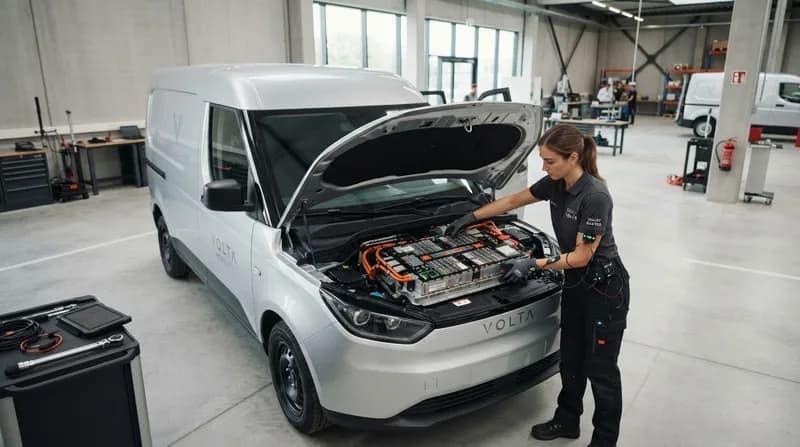
A central pillar of the Ning Service philosophy is a move away from the traditional model of complete battery pack replacement, which is both costly for the consumer and resource-heavy for the environment. CATL’s data-driven approach utilizes the “Intelligent Eagle Eye System,” a proprietary diagnostic tool already deployed in over 150 workshops globally. This technology allows for precise, component-level repairs, effectively reducing the turnaround time for complex battery service from 72 hours down to 48 hours. With the company’s repair expertise currently covering nearly 77% of electric vehicle models on the market, this move is poised to significantly extend the usable life of EV fleets across Europe.
The facility also places a heavy emphasis on education and workforce development. CATL plans to utilize the Oslo hub to run certified training courses for local technicians, drawing on a network of 14 experienced instructors and collaborations with local Norwegian universities and technical institutions. This investment in human capital is vital, as it ensures that the region develops a self-sustaining ecosystem of qualified experts capable of handling the complexities of modern lithium-ion technology.
Building a Circular Economy
Beyond repair, the Ning Service Center is deeply integrated into CATL’s commitment to the circular economy. The company is actively pursuing a “Global Energy Circularity Commitment,” an initiative that focuses on keeping battery materials in use for as long as possible before eventually recycling them for use in new energy storage products. By managing the full lifecycle of the battery—from initial diagnostics to final recycling—CATL is bridging the gap between raw material extraction and end-of-life processing.
The scale of this ambition is global. Since the Ning brand became independent in 2024, it has rapidly scaled its international footprint. With the Oslo facility now operational, CATL manages a sprawling network of 1,394 service locations across 85 countries. The company has set an aggressive roadmap, aiming to establish a presence in 100 countries by 2027, with the ultimate goal of growing its service network to 10,000 locations globally by 2030. This Oslo launch is not merely an isolated project; it is the blueprint for how CATL intends to dominate the global battery aftermarket.