Legislating a Faster Path to Electrification
California is moving aggressively to reshape its transportation landscape as Governor Gavin Newsom recently signed a sweeping package of legislation aimed at making electric vehicles (EVs) and charging infrastructure significantly more accessible. By cutting through the regulatory bureaucracy that has historically stalled projects, the state is looking to accelerate the deployment of public charging stations and reduce the overall costs associated with owning and operating an electric vehicle.
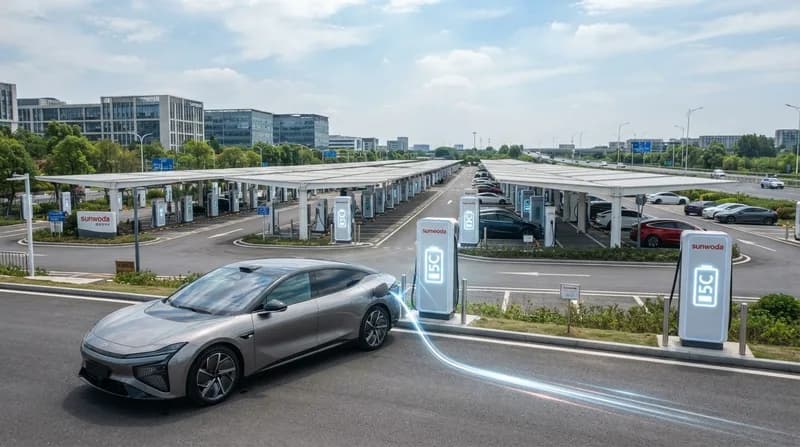
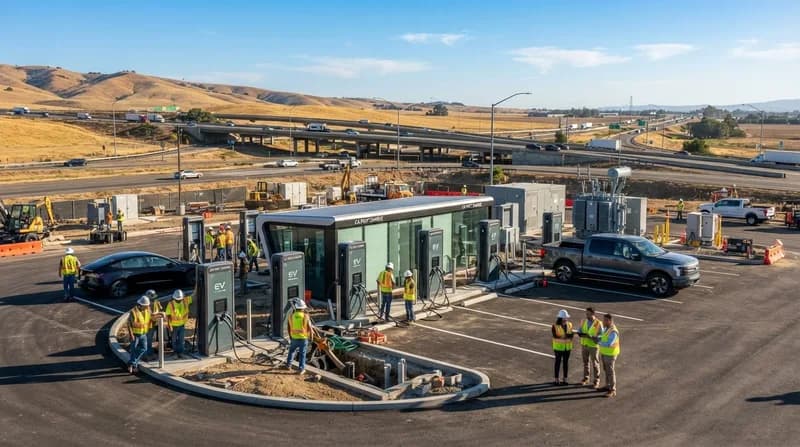
The new legislative framework targets several critical pain points that have long hindered the widespread adoption of zero-emission transit. Chief among these is the modernization of the inspection and permitting process. Previously, public charging stations often sat idle while waiting for outdated administrative hurdles to clear. Under the new rules, these processes are being streamlined to ensure that once a charger is installed, it can be powered up and opened to the public without unnecessary delay. Crucially, the state has guaranteed that these speedier processes will continue to enforce consumer protection standards, ensuring that drivers are charged fairly for the energy they consume.
Expanding Access and Grid Integration
Beyond the installation of public chargers, the state is focusing heavily on residential and mixed-use environments. A significant barrier to EV adoption in dense urban areas has been the lack of charging infrastructure in multi-unit housing. The new laws reduce permit fees and simplify the approval process for installing chargers at apartments and mixed-use developments, effectively democratizing access to home charging for those without private driveways or garages.
This initiative is part of a larger, ambitious strategy to leverage EVs as mobile energy assets. With California aiming to integrate more renewables into its grid, the state is increasingly leaning into Vehicle-to-Everything (V2X) technology. By enabling EVs to store surplus solar energy and discharge it back into the grid during periods of high demand, the state hopes to turn the growing fleet of electric cars into a massive, distributed energy storage system. Major utilities like PG&E are already aligning their programs to accommodate this bidirectional flow, turning the simple act of charging into a grid-stabilizing maneuver.
Why it Matters
- Energy Independence: By shifting toward domestic renewable electricity, California aims to decouple its transportation costs from the volatility of global oil markets and geopolitical conflicts.
- Economic Incentives: These structural changes complement existing initiatives like the 'MyFirstEV' program, which offers rebates of $3,500 for new EVs and $1,750 for pre-owned models at the point of sale.
- Strategic Infrastructure: The legislation explicitly covers essential supporting work, such as trenching, solar canopy installation, and battery storage integration, ensuring that the charging network is built with long-term energy resiliency in mind.
A Holistic Approach to Transportation
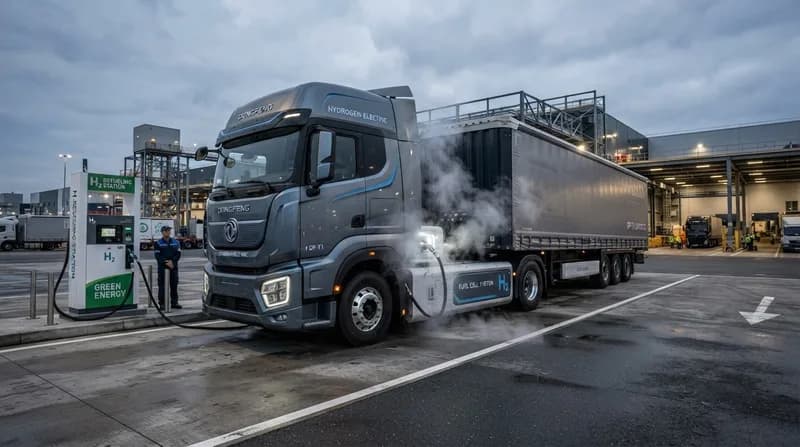
While the focus is primarily on passenger vehicles, California is also looking at the bigger picture of North American transit. The state recently solidified partnerships with authorities in Canada and Mexico to develop an international charging corridor for heavy-duty electric trucks. This initiative is vital for the long-term sustainability of goods transport across the West Coast, ensuring that zero-emission logistics are not limited by borders.
As the state prepares for further legislation regarding rooftop solar and heat-pump adoption, the message from the governor’s office is clear: the transition to a low-carbon economy is being treated as a matter of energy security. By linking infrastructure growth directly to the state's renewable energy goals, California is positioning itself to handle the rising demand for electricity while simultaneously lowering the long-term cost of living for its residents.