E-BUZZ ME Logo
ScienceTechnical Deep Dive

Caffeine Consumption: The Heart-Healthy Benefits of Coffee vs. Energy Drink Risks

Published
Caffeine Consumption: The Heart-Healthy Benefits of Coffee vs. Energy Drink Risks
1 min read158 words

The Gist

A new American Heart Association review suggests moderate coffee consumption may lower heart disease risk, while energy drinks pose significant cardiovascular threats.

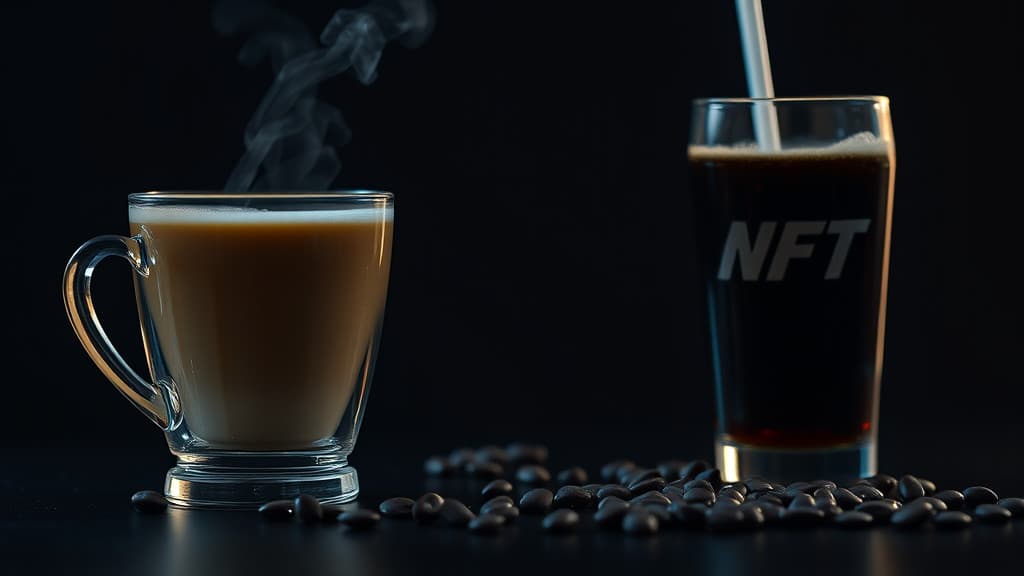
According to a recent review by the American Heart Association, your daily caffeine habit might be more beneficial for your heart than previously thought. For the average adult, consuming up to 400 milligrams of caffeine per day—the equivalent of approximately three to five cups of black coffee—is considered safe and potentially protective.

The Benefits of Coffee

The study highlights that regular coffee consumption is associated with a reduced risk of several chronic conditions, including heart disease, stroke, heart failure, and Type 2 diabetes. These findings suggest that for most people, coffee serves as a heart-healthy source of caffeine.

The Danger of Concentrated Sources

However, researchers emphasize that the source of caffeine is a critical factor. While coffee appears beneficial, highly concentrated energy drinks and caffeine shots present distinct risks. These products can cause a sharp increase in blood pressure and have been known to trigger irregular heart rhythms, suggesting that not all caffeine delivery methods are created equal.

Related Stories

Semantically matched articles, ranked by topic overlap and freshness.

Sparkling Water vs. Soda: New Study Evaluates Impact on Dental Health
Science67%

Sparkling Water vs. Soda: New Study Evaluates Impact on Dental Health

A recent study suggests that unsweetened sparkling water is a significantly safer choice for dental health compared to sugar-sweetened carbonated beverages.

The Impact of Ultra-Processed Foods on Long-Term Brain Health
Science63%

The Impact of Ultra-Processed Foods on Long-Term Brain Health

New research highlights a concerning link between ultra-processed diets and increased risks of depression, anxiety, and dementia.

Ebola Cases Surpass 3,000 in Democratic Republic of Congo Outbreak
Science61%

Ebola Cases Surpass 3,000 in Democratic Republic of Congo Outbreak

Health officials in the DR Congo report a massive surge in Ebola infections, with cases exceeding 3,000 following a rapid spike in the last 10 days.

Burnout Crisis: One in Ten Emergency Physicians Leaving the Specialty in Canada
Science60%

Burnout Crisis: One in Ten Emergency Physicians Leaving the Specialty in Canada

A new study reveals a growing healthcare crisis in Canada, with burnout driving 10% of emergency doctors to exit the field or significantly cut clinical hours.

Young Adults Struggle with Healthcare Independence, New Poll Finds
Science60%

Young Adults Struggle with Healthcare Independence, New Poll Finds

A University of Michigan poll reveals that many young adults aged 18–25 lack the basic skills necessary to manage their own medical needs without parental assistance.

Genetic Factors Determine Cancer Outcomes Following DNA Damage
Science60%

Genetic Factors Determine Cancer Outcomes Following DNA Damage

New research suggests that inherited genetics play a critical role in whether DNA damage leads to cancer development.

Ancient 500,000-Year-Old Elephant Bone Hammer Rewrites Early Human Toolmaking History
Science60%

Ancient 500,000-Year-Old Elephant Bone Hammer Rewrites Early Human Toolmaking History

A rare discovery in England reveals that ancient humans crafted reusable hammers from elephant bone to sharpen stone tools nearly half a million years ago.

Innovative Eye Implant and High-Tech Glasses Approved to Combat Vision Loss
Science59%

Innovative Eye Implant and High-Tech Glasses Approved to Combat Vision Loss

A breakthrough eye implant and smart glasses system has received European regulatory approval, offering hope to those suffering from severe age-related vision loss.