ScienceTechnical Deep Dive

Breakthrough Blood Test Detects Multiple Cancers and Organ Damage

Published
EElectricBuzz Editorial Team
Breakthrough Blood Test Detects Multiple Cancers and Organ Damage
1 min read120 wordsElectricBuzz Editorial Team

The Gist

“UCLA researchers have developed a revolutionary blood test called MethylScan that can detect multiple cancers, liver diseases, and signs of organ damage from a single blood sample. This innovative test has the potential to provide an affordable and early detection method for various diseases, making it a significant breakthrough in the field of medicine.”

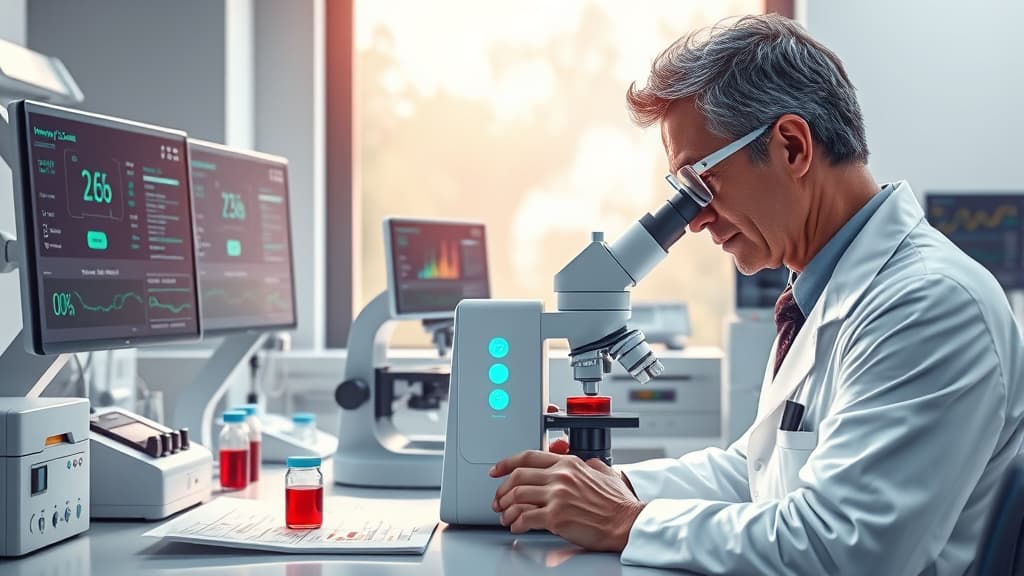
A team of researchers at UCLA has made a groundbreaking discovery with the development of a simple blood test that can detect multiple cancers, liver diseases, and signs of organ damage from a single vial of blood. This test, known as MethylScan, has the potential to revolutionize the way diseases are detected and diagnosed.

Key Insights

MethylScan analyzes cell-free DNA in the bloodstream to identify molecular clues about the health of various organs, showing high accuracy in detecting cancers with 98% specificity and 63% sensitivity across all stages. The test's ability to detect multiple diseases from a single blood sample makes it a promising tool for early detection and monitoring, potentially leading to more effective treatments and better patient outcomes.


SPONSORED
The 5 Best Over-Ear ANC Headphones of 2026, Tested & Ranked
Editor's Pick Guide
92/100
Tech & Gadgets•12 min read

The 5 Best Over-Ear ANC Headphones of 2026, Tested & Ranked

We locked five over-ear ANC picks for 2026 — Sony WH-1000XM6, Bose QuietComfort Ultra 2, Soundcore Space One, Sennheiser Momentum 5, and Apple AirPods Max 2 — then stress-tested them on lab metrics, long-term owner truth, and live street prices.

Related Stories

Semantically matched articles, ranked by topic overlap and freshness.

Can Virtual Gardens Cure Nature Deficit? New Research Investigates
Science

Can Virtual Gardens Cure Nature Deficit? New Research Investigates

A groundbreaking study from Drexel University uses virtual reality to reveal how curated ornamental gardens can provide restorative health benefits similar to untouched nature.

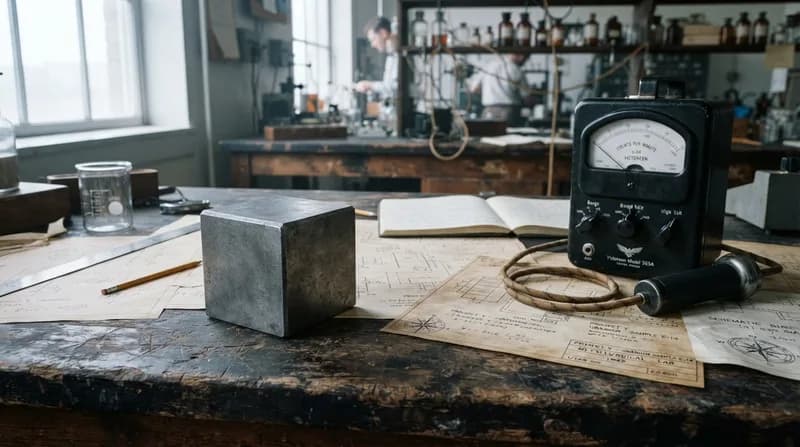
Deciphering the Past: Uranium Cubes Reveal Nazi Nuclear Hurdles
Science

Deciphering the Past: Uranium Cubes Reveal Nazi Nuclear Hurdles

New analytical research on surviving uranium artifacts confirms that Nazi Germany's nuclear ambitions were severely crippled by extreme resource shortages and technical limitations.

USC Breakthrough: Scientists Unlock Renewable Source for Next-Gen Cancer Immunotherapy
Science

USC Breakthrough: Scientists Unlock Renewable Source for Next-Gen Cancer Immunotherapy

Researchers have discovered a method to engineer self-renewing immune cell progenitors, paving the way for scalable, 'off-the-shelf' cancer treatments.

New AI Framework Turns Smartphones Into Pediatric Diagnostic Tools
Science

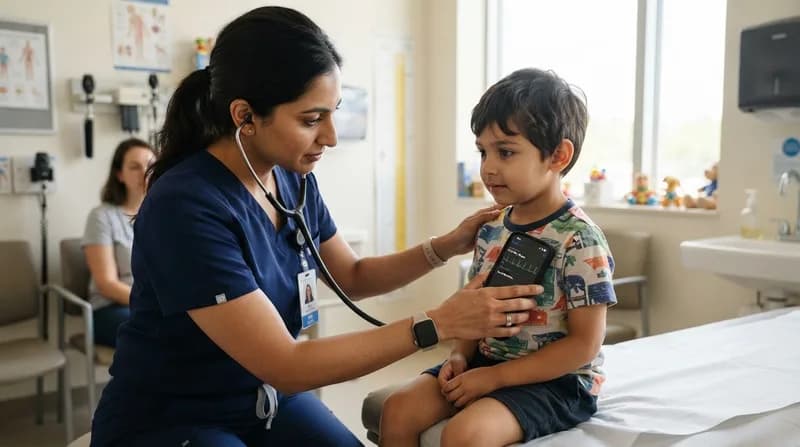
New AI Framework Turns Smartphones Into Pediatric Diagnostic Tools

Researchers have developed a domain-adaptive deep learning model that enables standard smartphones to detect abnormal lung sounds with clinical-grade accuracy.

Metabolic Mastery: How a Cancer-Fueling Protein Could Turn the Tide on Tumors
Science

Metabolic Mastery: How a Cancer-Fueling Protein Could Turn the Tide on Tumors

Researchers have discovered that by flipping a metabolic switch, a protein once thought to only aid tumor growth can be repurposed to supercharge the immune system.

The Hidden Mental Health Toll of Legalized Sports Betting
Science

The Hidden Mental Health Toll of Legalized Sports Betting

New research from Johns Hopkins University highlights a troubling correlation between the proliferation of online sports betting and rising mental health treatment rates.

The Invisible Battle: How Our Microbial Neighbors Shape Antibiotic Resistance
Science

The Invisible Battle: How Our Microbial Neighbors Shape Antibiotic Resistance

New research from Nairobi reveals that the secret to fighting antibiotic-resistant bacteria may lie not just in medicine, but in protecting the healthy microbial communities we share with those around us.

Could Your Late-Night Snack Be Hurting Your Liver?
Science

Could Your Late-Night Snack Be Hurting Your Liver?

New research from Oregon Health & Science University suggests that the timing of your last meal might be just as important for liver health as the food itself.