A New Chapter for Starliner
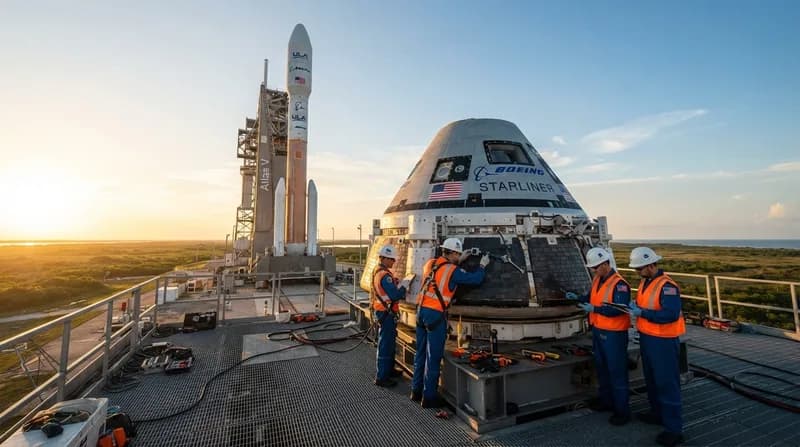
Boeing’s Starliner program, frequently referred to in industry circles for its challenging developmental history, is receiving a renewed vote of confidence from NASA. Despite previous setbacks that left the spacecraft sidelined, the aerospace giant is moving forward with a strategic plan to revitalize the capsule. The current roadmap dictates an uncrewed flight, designated Starliner-1, targeted for the late 2026 to early 2027 window. Following this crucial cargo-delivery mission, the program aims to resume human spaceflight operations with Starliner-2 in 2028.
This initiative is part of a broader shift in NASA’s strategy. The agency has expressed a clear desire to maintain multiple avenues for American crew transportation. As the International Space Station (ISS) approaches its final years of operation, NASA continues to emphasize the importance of domestic redundancy. By securing future mission options and working toward the certification of the Vulcan rocket, which will eventually replace the retiring Atlas V, stakeholders are looking to stabilize the Starliner program for its remaining contractual obligations.
Technical Overhauls and Addressing Past Failures
The path to these upcoming flights has required an exhaustive review of the spacecraft’s performance. Boeing reports significant progress, noting that 19 out of 21 specific in-flight anomalies identified during previous crewed tests have been resolved. The remaining issues are currently slated for closure by late October, signaling a transition from troubleshooting to active mission preparation.
Hardware modifications have been extensive, focusing on mission-critical safety systems. Key improvements include:
- Propulsion System Upgrades: A complete replacement of valves on all 12 reaction control thrusters within the crew module.
- Structural Reinforcements: Redesigned parachute joints to ensure improved deployment reliability.
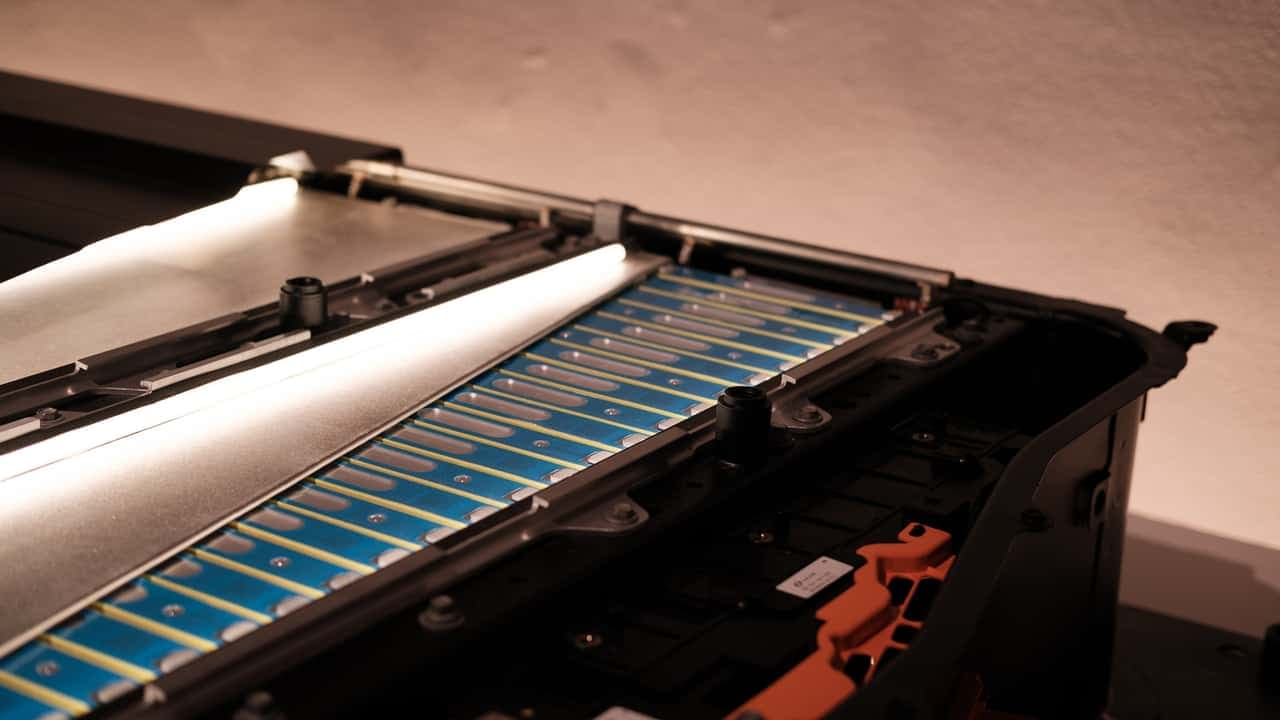
- Power Optimization: Integration of upgraded battery systems provided by NASA to enhance longevity and reliability during docked operations.
Strategic Context: Why It Matters
The push to make Starliner operational is about more than just a single spacecraft; it is a hedge against the inevitable retirement of the current workhorse, the SpaceX Crew Dragon. While the Crew Dragon has proven to be a highly successful and reliable platform for ISS logistics, the industry must prepare for a future involving private commercial space stations.
The economic and strategic logic behind continuing the program—despite the massive capital investment—centers on maintaining a diverse commercial base for orbital access. NASA’s decision to modify its original contract to four missions underscores a pragmatic approach: while the program has faced significant hurdles, it remains a vital component of the US government’s strategy to ensure a smooth transition from the ISS era to a future dominated by commercial low-Earth orbit infrastructure. As the program enters this next phase, the focus shifts entirely to proving that these engineering refinements have turned the page on the capsule’s checkered past.