ScienceTechnical Deep Dive

Autism Identified as Two Distinct Subtypes Based on Brain Connectivity

Published
EElectricBuzz Editorial Team
Autism Identified as Two Distinct Subtypes Based on Brain Connectivity
1 min read60 wordsElectricBuzz Editorial Team

The Gist

“New research reveals autism may comprise two subtypes distinguished by brain connectivity strength, offering fresh insight for tailored diagnosis and treatment.”

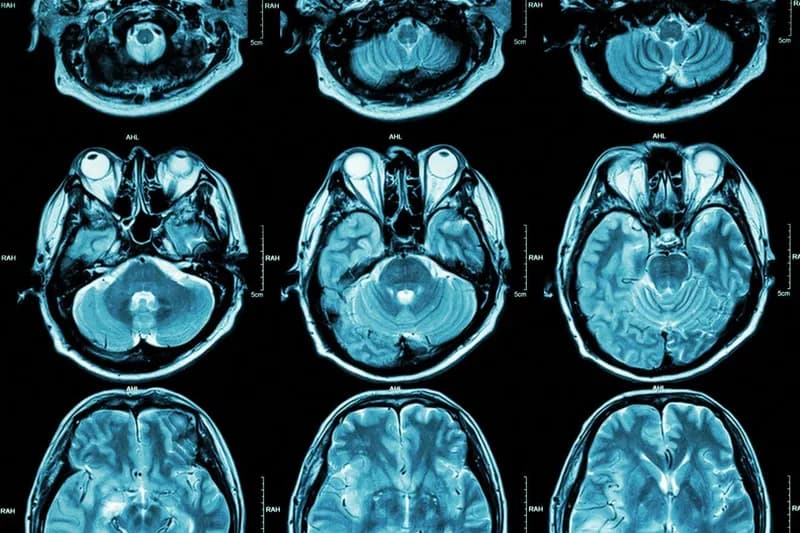
Recent scientific studies indicate that autism is not a singular condition but may consist of two distinct subtypes defined by the strength of brain connectivity. These subtypes differ in how neural networks connect and communicate, highlighting autism's heterogeneity.

This differentiation based on brain activity patterns could reshape autism diagnosis and enable more personalized treatment strategies focused on specific neural profiles.

SPONSORED
The 5 Best Over-Ear ANC Headphones of 2026, Tested & Ranked
Editor's Pick Guide
92/100
Tech & Gadgets•12 min read

The 5 Best Over-Ear ANC Headphones of 2026, Tested & Ranked

We locked five over-ear ANC picks for 2026 — Sony WH-1000XM6, Bose QuietComfort Ultra 2, Soundcore Space One, Sennheiser Momentum 5, and Apple AirPods Max 2 — then stress-tested them on lab metrics, long-term owner truth, and live street prices.

Related Stories

Semantically matched articles, ranked by topic overlap and freshness.

A Vital Shield: Nigeria’s Gradual Advance Against Childhood Malaria
Science

A Vital Shield: Nigeria’s Gradual Advance Against Childhood Malaria

Nigeria is making steady, grassroots progress in the fight against malaria, as a targeted vaccine rollout begins to protect its most vulnerable young population.

Beyond the Gym: Why Explosive Movement May Hold the Key to Bone Strength
Science

Beyond the Gym: Why Explosive Movement May Hold the Key to Bone Strength

New research from Semmelweis University suggests that high-intensity, multi-directional sports may be significantly more effective at stimulating bone formation than traditional walking or weight lifting.

Blood-Based 'Liquid Biopsy' Shows Promise in Personalizing Prostate Cancer Radiotherapy
Science

Blood-Based 'Liquid Biopsy' Shows Promise in Personalizing Prostate Cancer Radiotherapy

A new study reveals that detecting circulating tumor DNA in the blood could predict which men with advanced prostate cancer will gain the most from targeted radiotherapy.

Lumina: A Supercomputer Breakthrough Recreates the Dawn of the Universe
Science

Lumina: A Supercomputer Breakthrough Recreates the Dawn of the Universe

MIT researchers have launched 'Lumina,' a record-breaking supercomputer simulation that offers a high-definition window into the universe's emergence from its cosmic dark age.

Earth's Water May Be a 'Built-in' Feature of Its Fiery Origin
Science

Earth's Water May Be a 'Built-in' Feature of Its Fiery Origin

New research suggests Earth manufactured its own vast oceans through internal chemical reactions during its formation, rather than relying on icy space deliveries.

NIH Study Uncovers Alarming Link Between 'Forever Chemicals' and Aggressive Breast Cancer
Science

NIH Study Uncovers Alarming Link Between 'Forever Chemicals' and Aggressive Breast Cancer

New research from the National Institutes of Health reveals that exposure to specific PFAS chemicals is associated with a significantly higher risk of developing aggressive, ER-negative breast cancer.

Unlocking Nature’s Blueprint: How Simple Chemistry Dictates Hair Growth
Science

Unlocking Nature’s Blueprint: How Simple Chemistry Dictates Hair Growth

Researchers at the University of Geneva have discovered that complex hair follicle patterns arise from simple cellular signaling, potentially overturning decades of biological theory.

Unlocking the Mystery of Persistent Heart Disease Risks
Science

Unlocking the Mystery of Persistent Heart Disease Risks

New research from Chalmers University of Technology reveals why some patients remain at risk for heart attacks even when bad cholesterol levels are managed.