ScienceTechnical Deep Dive

Asteroid Impacts Might Have Created Life-Friendly Underground Oceans on Early Earth

Published
EElectricBuzz Editorial Team
Asteroid Impacts Might Have Created Life-Friendly Underground Oceans on Early Earth
1 min read65 wordsElectricBuzz Editorial Team

The Gist

“New models show asteroid impacts fractured Earth's crust, forming extensive underground hydrothermal systems that may have fostered early life.”

Recent computer simulations suggest ancient asteroid impacts did more than reshape Earth's surface. They fractured the planet's crust, enabling hot water circulation underground.

These hydrothermal systems created large, long-lasting environments beneath the surface. The conditions within these underground oceans were likely hospitable to early life.

Such hydrothermal networks may have covered much of early Earth's surface, providing numerous niches for life to originate and evolve.


SPONSORED
The 5 Best Over-Ear ANC Headphones of 2026, Tested & Ranked
Editor's Pick Guide
92/100
Tech & Gadgets•12 min read

The 5 Best Over-Ear ANC Headphones of 2026, Tested & Ranked

We locked five over-ear ANC picks for 2026 — Sony WH-1000XM6, Bose QuietComfort Ultra 2, Soundcore Space One, Sennheiser Momentum 5, and Apple AirPods Max 2 — then stress-tested them on lab metrics, long-term owner truth, and live street prices.

Related Stories

Semantically matched articles, ranked by topic overlap and freshness.

The Communication Gap: Why Improved Hurricane Maps Are Failing to Change Behavior
Science

The Communication Gap: Why Improved Hurricane Maps Are Failing to Change Behavior

New research from Florida State University suggests that while hurricane forecast graphics are becoming more technically accurate, they aren't effectively motivating the public to take life-saving precautions.

Bridging the Reality Gap: How VR and Wearables Are Transforming Parkinson’s Care
Science

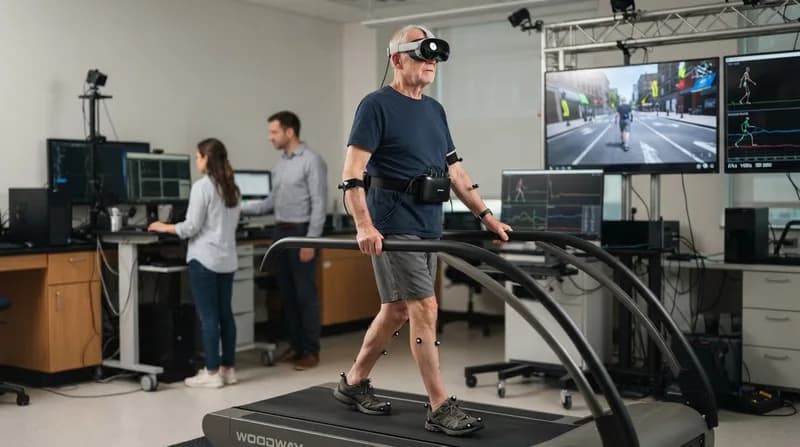
Bridging the Reality Gap: How VR and Wearables Are Transforming Parkinson’s Care

Lehigh University researchers are leveraging virtual reality and wearable sensors to decode Parkinson’s-related gait impairments and personalize patient rehabilitation.

Precision Medicine: A New Soil-Derived Compound Could Revolutionize Gut Health
Science

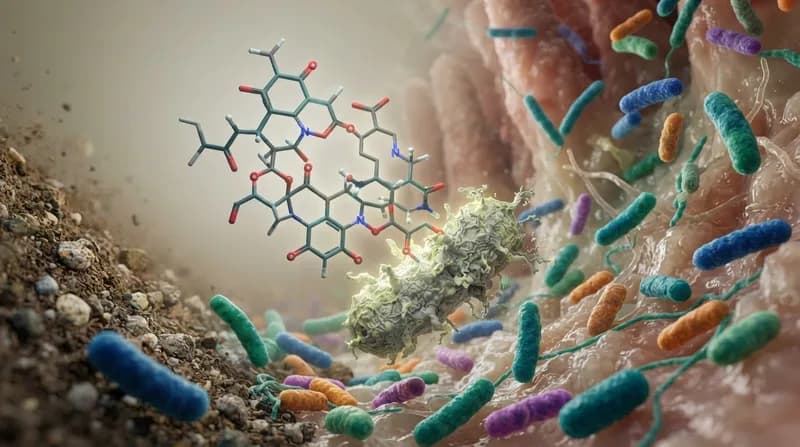
Precision Medicine: A New Soil-Derived Compound Could Revolutionize Gut Health

Researchers have identified a natural compound that selectively eliminates harmful C. difficile bacteria while sparing the gut's vital microbiome.

A Breakthrough in Alzheimer’s: Protecting Brain Cells Without Removing Tau
Science

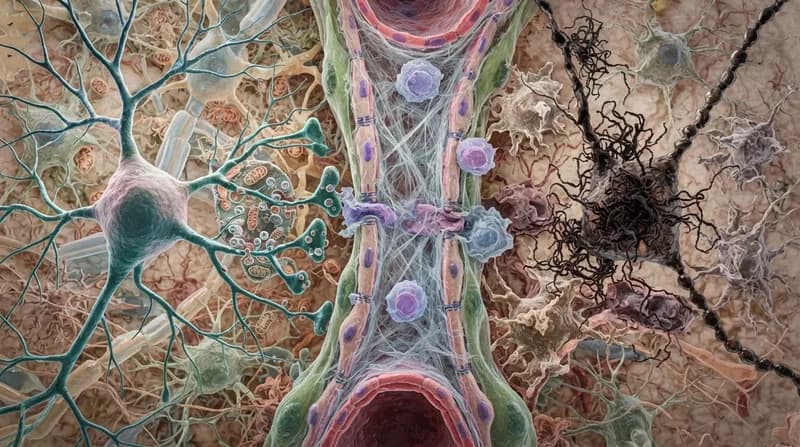
A Breakthrough in Alzheimer’s: Protecting Brain Cells Without Removing Tau

Researchers have discovered that blocking immune cell infiltration into the brain can significantly reduce neurodegeneration, even while toxic tau protein tangles persist.

FDA Approves Breakthrough Immunotherapy for Rectal Cancer Patients
Science

FDA Approves Breakthrough Immunotherapy for Rectal Cancer Patients

A new FDA-approved immunotherapy, Jemperli, is changing the landscape of rectal cancer treatment by allowing select patients to bypass traditional, life-altering therapies.

Cracking the Code: NASA Unlocks the Secret Behind Bennu's Mysterious Thermal Behavior
Science

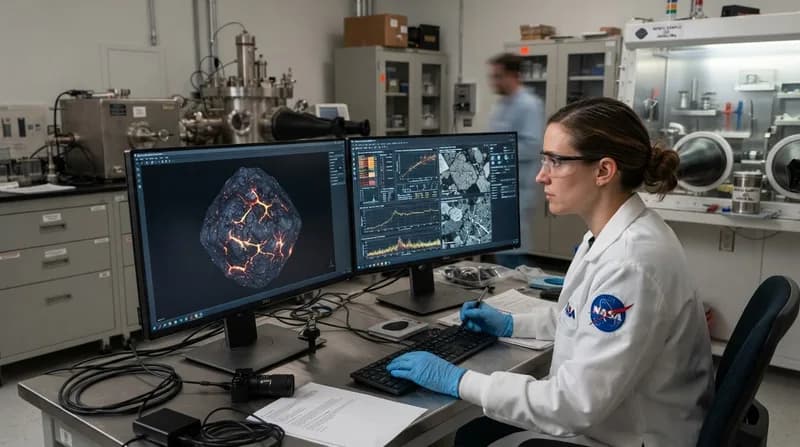
Cracking the Code: NASA Unlocks the Secret Behind Bennu's Mysterious Thermal Behavior

New laboratory analysis of samples returned by the OSIRIS-REx mission reveals that internal fracture networks are the secret behind the rapid heat loss of asteroid Bennu's massive boulders.

Beyond Memory Loss: The Evolutionary Case for the 'Wise' Aging Brain
Science

Beyond Memory Loss: The Evolutionary Case for the 'Wise' Aging Brain

A groundbreaking new hypothesis suggests that as the brain ages, it purposefully shifts away from storing granular details to prioritize the extraction of wisdom and pattern recognition.

Could Daily Vitamin C Supplements Combat Early-Stage Blood Cancer?
Science

Could Daily Vitamin C Supplements Combat Early-Stage Blood Cancer?

A groundbreaking clinical trial suggests that simple, daily vitamin C supplementation may significantly improve survival rates for patients with precancerous blood disorders.