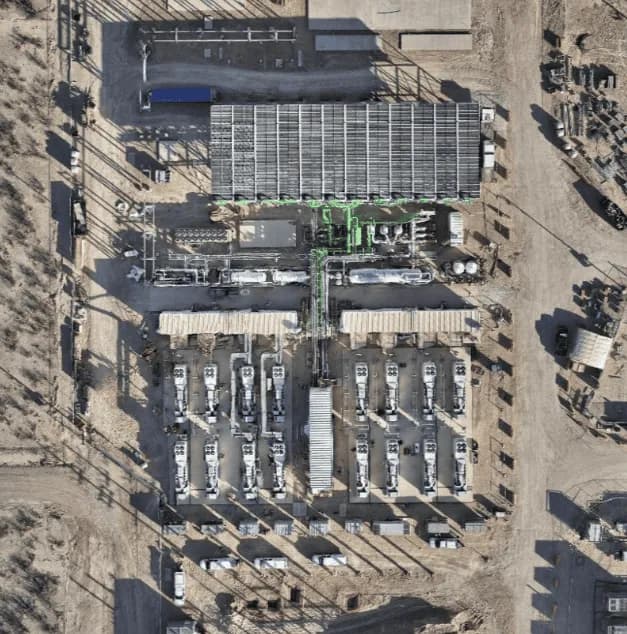
As the global energy transition accelerates, green hydrogen has emerged as a critical pillar for decarbonizing heavy industries. However, a recent lifecycle analysis published in Physics World highlights a growing concern: the significant volume of water required for Proton Exchange Membrane (PEM) water electrolysis.
The Water Intensity of Electrolysis
The study provides a detailed breakdown of where water is consumed throughout the hydrogen production cycle. Beyond the direct chemical requirement of splitting water molecules into hydrogen and oxygen, the research identifies substantial water usage in cooling systems, purification processes, and the upstream manufacturing of electrolysis components.
Pathways to Efficiency
To ensure green hydrogen remains a sustainable solution, the analysis suggests several strategies for reducing its water footprint. These include implementing advanced water recycling technologies, optimizing cooling mechanisms, and strategically locating production facilities in regions with abundant non-potable water sources. By addressing these lifecycle inefficiencies, the industry can better balance the demand for clean fuel with the necessity of water conservation.