Revolutionizing the Retail Workflow
In a significant expansion of their ongoing collaboration, Albertsons Companies is deepening its integration of OpenAI technologies to overhaul the way it manages retail operations and interacts with its vast customer base. By deploying tools such as ChatGPT Enterprise and custom applications built on the OpenAI API, the retail giant is aiming to streamline complex internal workflows, improve decision-making accuracy, and accelerate the development of new retail technologies. This strategic move covers a wide spectrum of the business, from optimizing product promotions and merchandising to enhancing the digital infrastructure that supports thousands of brick-and-mortar stores across the United States.
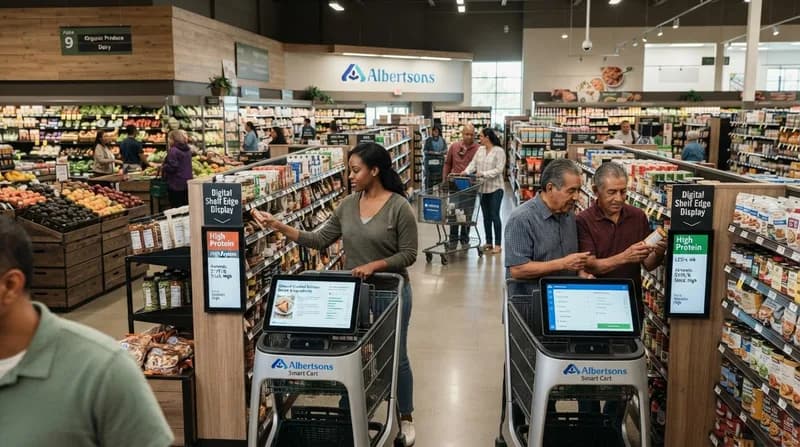
For the internal teams at Albertsons, which operates iconic grocery banners like Safeway, Vons, Jewel-Osco, and Tom Thumb, the primary focus is on reducing friction. By utilizing AI to analyze data-driven insights and automate repetitive tasks, employees are empowered to focus on more strategic initiatives. This focus on iterative development ensures that the company can test, validate, and scale AI-driven practices across its 2,200-plus stores, ensuring that innovations are not just novel, but highly effective at driving business value.
The New Safeway Shopping Experience
Perhaps the most consumer-facing evolution of this partnership is the launch of the Safeway experience directly within ChatGPT. Recognizing that modern shoppers are increasingly turning to AI to simplify routine tasks, Albertsons has created a platform that bridges the gap between culinary inspiration and actual fulfillment. Customers can now prompt the interface with simple requests such as planning a dinner for four, asking for deli-based meal ideas, or requesting a restock of their preferred store-brand breakfast items.
The tool goes beyond simple text interaction by curating relevant product selections and identifying current savings opportunities tailored to the user’s request. Once the shopping cart is built, the system seamlessly directs the user to the Safeway website to complete the transaction. While initially focused on Safeway, the company has announced clear intentions to extend this intelligent shopping capability to its other major grocery brands, including Albertsons, Vons, Jewel-Osco, Shaw’s, ACME, and Tom Thumb in the near future.
Context: Why It Matters
- Operational Efficiency: By combining predictive modeling with generative AI, Albertsons is providing its merchants with better explainable insights, leading to more informed promotional and stocking decisions.
- Seamless Integration: The shift from a digital idea to a physical grocery cart minimizes the steps required to complete a household chore, addressing a common pain point for millions of weekly shoppers.
- Scalability: The partnership is designed as a 360-degree approach, meaning the tools developed for internal employee efficiency directly inform the tools created for external customer engagement, creating a feedback loop of innovation.
- Personalization: The platform leverages historical data to assist with reordering favorite items and suggests recipes that align with individual customer preferences, marking a transition toward highly personalized digital grocery management.
Strategic Outlook
Looking ahead, the collaboration between Albertsons and OpenAI represents a broader industry shift where retail is becoming increasingly defined by software and data intelligence. As these AI models become more capable at interpreting complex consumer behavior, the boundary between planning a meal and obtaining the ingredients is set to dissolve further. The ability to iterate on these experiences at a national scale will likely set a new benchmark for how large-scale retail chains manage everything from supply chain logistics to individual customer loyalty.