The Future of Desktop Automation
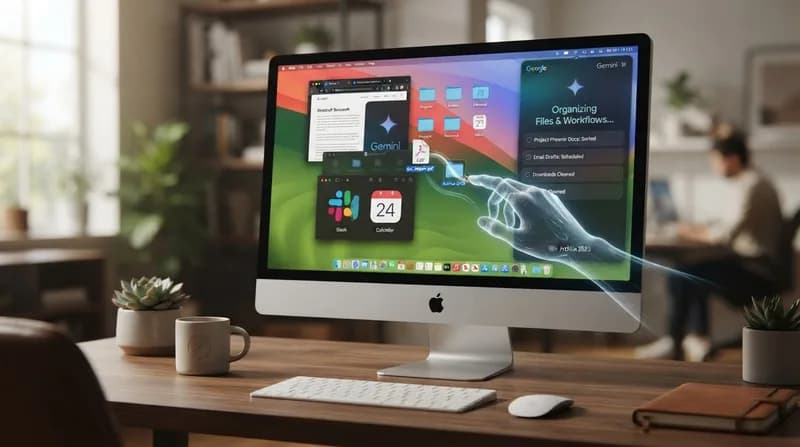
Apple is signaling a major shift in its AI strategy as it begins development on a sophisticated AI agent designed to perform complex tasks directly on macOS. According to a recently surfaced job listing for a senior engineering manager, the company is seeking talent to build a system capable of using a computer just as a human would. The ambition is to create an agent that can fluidly navigate web browsers, execute terminal commands, write and debug code, and interact with various third-party applications to complete multi-step workflows.
This initiative represents a significant evolution for Apple’s software ecosystem. While current AI assistants are often limited to voice queries or simple text generation, this proposed agent is being engineered to operate across the entire operating system. The goal is to create a seamless experience where the AI understands which tools to employ for specific steps in a project, effectively acting as an autonomous assistant that manages the mundane and technical aspects of computer usage.
Why It Matters: The Privacy-First AI Landscape
The push into agentic AI puts Apple in direct competition with industry giants like OpenAI, Anthropic, and Meta, all of which are racing to define the next generation of personal productivity. However, Apple is framing its approach through its traditional lens of user privacy and system polish. The company is positioning this technology as a "privacy-first" solution, promising that its agent will handle sensitive local data and OS interactions with the high degree of security that users expect from Cupertino-developed software.
The Security Paradox
Interestingly, while Apple races to build its own native solution, it is simultaneously tightening the leash on third-party AI agents. Updates in upcoming versions of macOS, specifically the 27.3 update, suggest that Apple will implement stricter security warnings and explicit user controls for any software requesting deep system access. By making it more difficult for external AI agents to gain full control of the OS, Apple is likely creating a "walled garden" environment where its proprietary agent will be the only tool granted the high-level permissions necessary for deep automation.
Looking Ahead
While the development of this in-house agent is reportedly in its early stages, industry reports suggest that Apple is aiming for a release as early as the end of next year. As Apple navigates the leadership transition and the broader shift toward AI-integrated operating systems, this project stands out as perhaps the most ambitious software effort in the company’s recent history. By focusing on multi-app integration and command-line execution, Apple is signaling that the future of the desktop isn't just about faster processors, but about an operating system that finally does the heavy lifting for the user.