The Evolution of Meta's Agentic Ecosystem
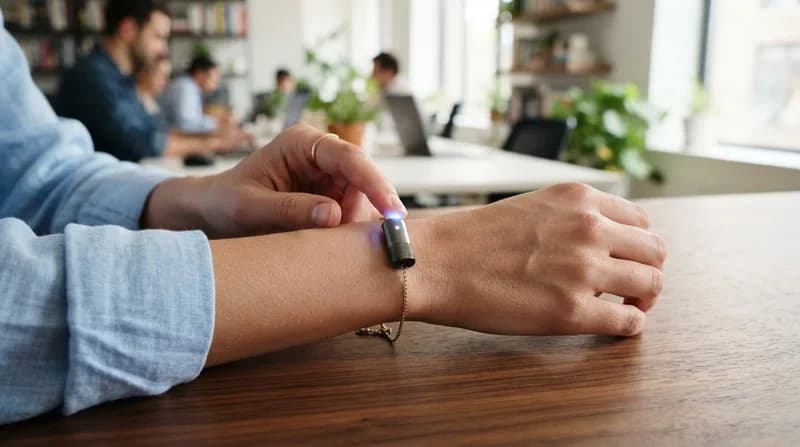
Meta is reportedly preparing to launch its latest hardware venture, the Muse Charm, a dedicated AI device that aims to bridge the gap between digital software agents and physical interaction. First teased during the company’s recent Connect event, the device functions as a tangible vessel for Meta’s Muse AI, allowing users to carry a personalized avatar or digital assistant directly in their pocket or as a wearable accessory.
The strategic shift to hardware represents Meta’s attempt to move beyond screen-bound software, offering users an always-available connection to its generative AI models. By giving the AI a physical form, the company hopes to foster a more natural, conversational experience that transcends standard smartphone interactions, effectively putting a 'personified' agent at the user's beck and call for daily tasks and interactions.
Pricing Strategy and Market Context
Leaked reports suggest a retail price of $300, a bold entry point for a device that faces stiff competition in the burgeoning AI hardware market. While the category has seen its share of challenges, Meta is leaning into the 'Tamagotchi-style' personality aspect of Muse Charm to differentiate it from purely utilitarian productivity tools. By emphasizing the device’s character and interactive capabilities, Meta aims to target a consumer base looking for companionship rather than just another interface.
The market for AI wearables is currently a crowded and experimental space. While the Muse Charm occupies a premium tier compared to budget-focused alternatives like Amazon’s Bee Frontier—which currently retails for a fraction of that cost—Meta is betting that its established software ecosystem and the charm of its AI avatars will justify the higher investment. The success of this device will ultimately depend on whether consumers find enough value in a dedicated, mobile AI companion that isn't tethered to a smartphone display.
Why it Matters
- Hardware Integration: This move signals Meta's deepening commitment to owning the hardware touchpoint for its AI models, ensuring that the 'Muse' agent is never far from the user.
- Form Factor Innovation: Moving away from glasses or pins toward a keychain-style device suggests a focus on discreet, casual interaction over augmented reality.
- Market Validation: At $300, Meta is testing the waters to see if users are ready to pay for a dedicated AI 'friend' or assistant that operates independently of traditional computing platforms.
As the industry continues to iterate on AI wearables, the Muse Charm serves as a bellwether for whether pocket-sized, character-driven hardware can find a permanent place in the consumer tech market.