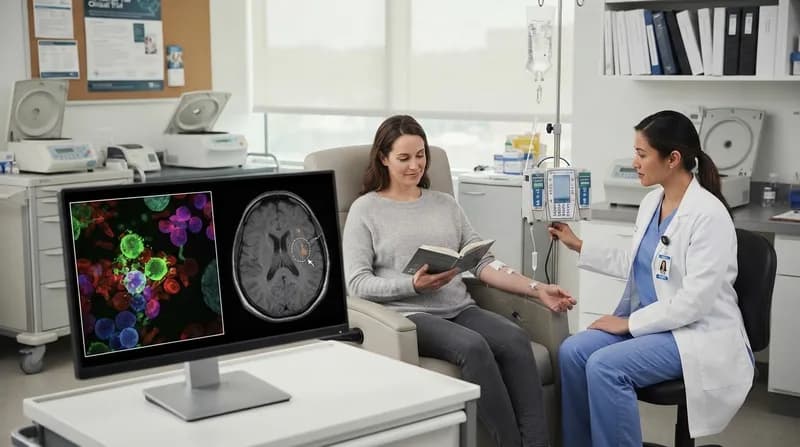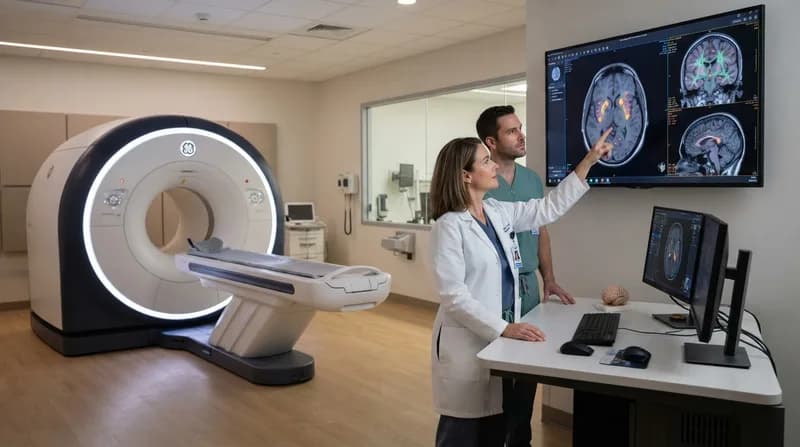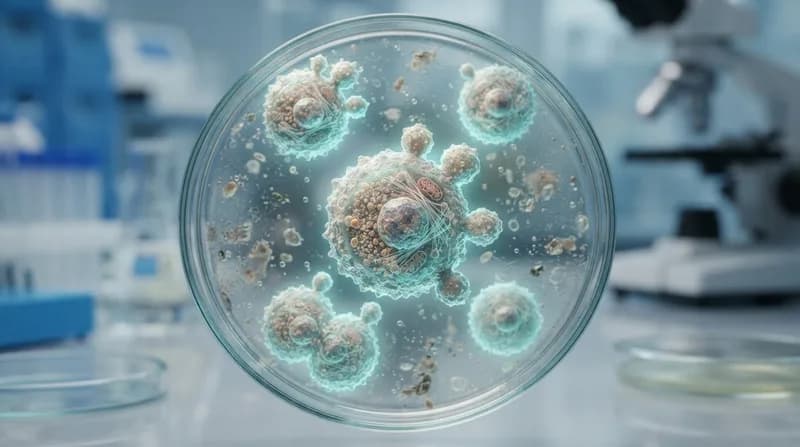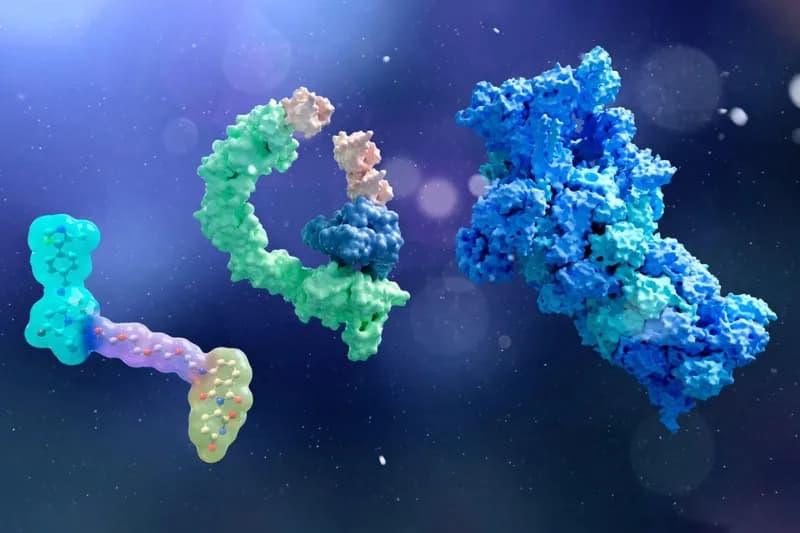
The medical landscape is witnessing a historic shift following the approval of the first in a new generation of drugs designed to target diseases at their most fundamental level. Unlike traditional pharmaceuticals, which typically interact with protein receptors or enzymes, this new class of medication utilizes a completely different mechanism of action to address conditions previously deemed untreatable.
Transforming the Therapeutic Approach
According to science columnist Michael Le Page, this breakthrough represents more than just a single new medication; it marks the beginning of a programmable approach to medicine. By operating through pathways that existing drugs cannot reach, this technology provides a blueprint for treating a vast array of complex conditions that have long frustrated researchers.
The potential applications for this technology are broad, ranging from rare genetic disorders to common chronic diseases. As this generation of treatments matures, the medical community expects a transformation in how healthcare providers manage patient outcomes for conditions that currently lack effective intervention options.