Charting a New Territory
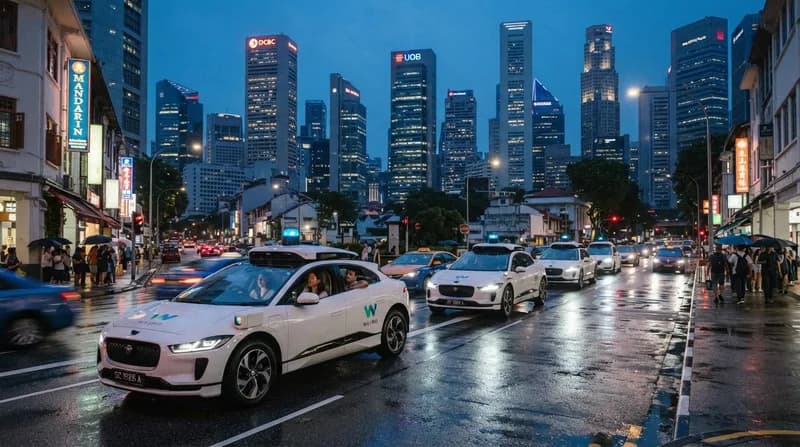
Waymo is set to make a historic leap into the Southeast Asian market, announcing plans to bring its all-electric robotaxi service to Singapore by 2028. This move follows a strategic global rollout, with the Alphabet-owned company already eyeing operations in Germany and Japan starting in 2027. By selecting Singapore, Waymo is positioning itself within one of the world's most advanced and highly regulated urban transportation ecosystems, signaling a major milestone for its autonomous driving technology.
The expansion is being facilitated through a formal partnership with Singapore’s Ministry of Transport (MOT) and the Land Transport Authority (LTA). To prepare for the launch, the company will begin shipping its modified Jaguar I-Pace electric vehicles to the island nation in the coming months. This deliberate approach ensures that the company can establish a robust local operational infrastructure well before the first commercial passenger steps into a vehicle.
The Road to Full Autonomy
Before launching public services, Waymo will initiate a rigorous testing phase beginning in 2027. This period is crucial for the Waymo Driver system, which must be calibrated to handle Singapore’s unique road layouts, dense traffic patterns, and local tropical weather conditions. Initially, trained autonomous driving specialists will operate the vehicles manually, gathering the necessary data to bridge the gap between global performance standards and the intricacies of the local environment.
Internal testing may begin even sooner, with reports suggesting that Google employees in Singapore could serve as the inaugural riders to validate the system in real-world scenarios. This phased integration allows Waymo to refine its safety protocols alongside local regulators, ensuring that the transition to fully autonomous, driverless trips for the general public is seamless when the app-based service officially goes live in 2028.
Why It Matters
- Strategic Foothold: Singapore serves as the perfect testing ground for high-density, smart-city integration, providing a blueprint for Waymo’s future expansions in Asia.
- Regulatory Alignment: The collaborative framework with the LTA highlights a shift toward policy-driven autonomous mobility, prioritizing safety and regulatory compliance over aggressive, unchecked deployment.
- Industry Competition: Waymo will be entering an active landscape, joining local players like ComfortDelGro and Grab, which are already spearheading autonomous vehicle initiatives in the country.
Singapore’s existing commitment to autonomous mobility is already well-documented, with the government supporting various trials, including autonomous public buses and passenger vehicles currently operating in Punggol. By integrating its Jaguar I-Pace fleet, Waymo is expected to significantly scale the number of autonomous vehicles on the road, contributing to the country’s vision of a sustainable, efficient, and technologically integrated transportation future.