Volkswagen's Strategic Pivot to LFP Batteries
In a major effort to secure its standing in the increasingly competitive electric vehicle market, the Volkswagen Group has announced a sweeping expansion of its partnership with Chinese battery manufacturer Gotion. This collaborative move focuses on the localization of Lithium Iron Phosphate (LFP) battery production within Europe, a critical step for the automaker as it attempts to lower the price point of its mass-market EV offerings.
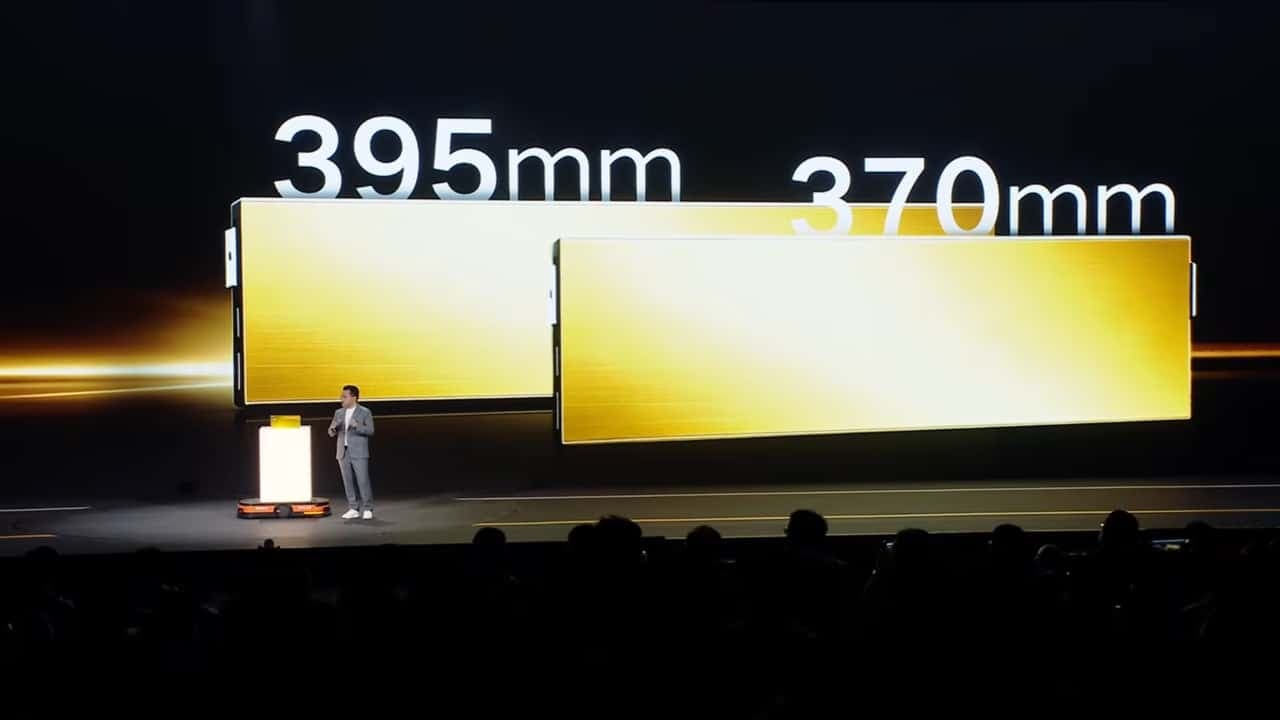
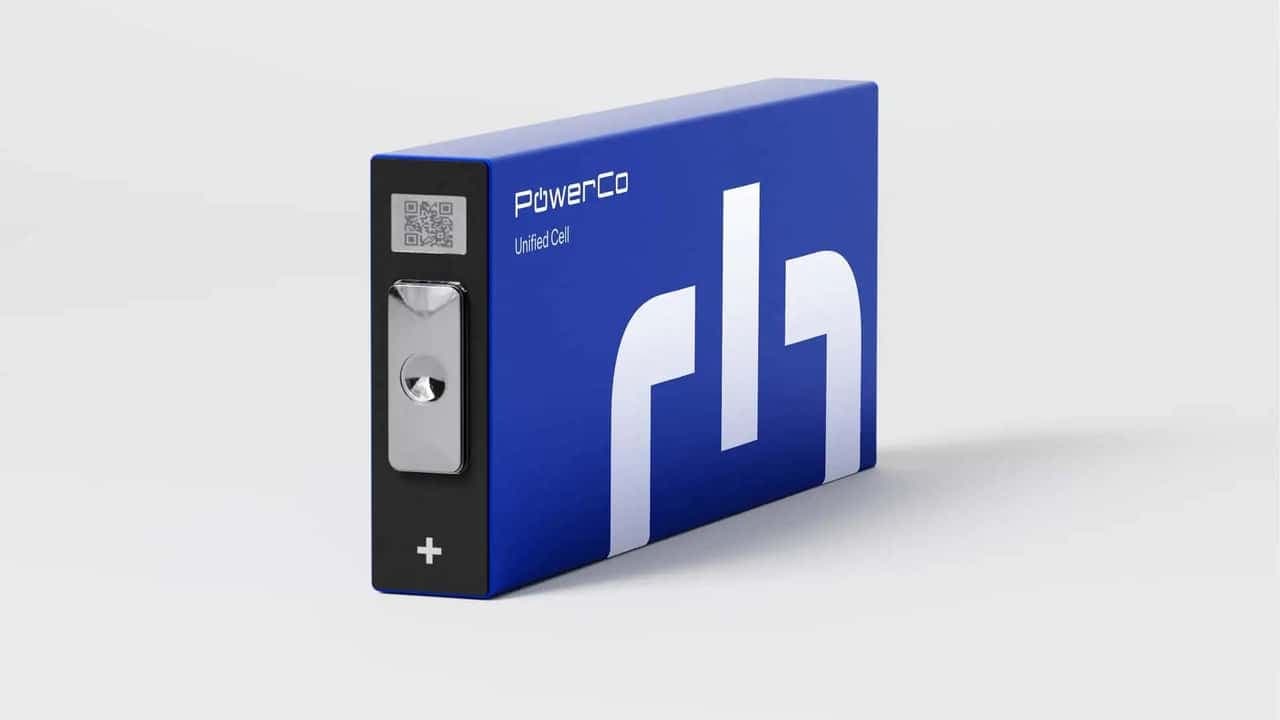
For years, Volkswagen has struggled with the high costs associated with traditional battery chemistries. By pivoting toward LFP, which is renowned for being both more cost-effective and structurally durable than typical nickel-cobalt-manganese alternatives, VW aims to revitalize its "unified" prismatic cell strategy. This vision, spearheaded by VW's battery subsidiary PowerCo, seeks to create a flexible battery architecture that can be deployed across the company's vast brand portfolio, ranging from entry-level commuter vehicles to high-performance Porsche models.
The European Hub in Spain
The centerpiece of this industrial collaboration is the transformation of PowerCo’s facility in Valencia, Spain. Under the terms of the agreement, Gotion will invest $1.25 billion to acquire a 49% stake in the plant. This facility is slated to become a primary European hub for the production of LFP unified cells, with an estimated annual capacity of 29.1 gigawatt-hours.
By localizing this production, Volkswagen hopes to shield its supply chain from the volatility of global logistics and the current over-reliance on Asian markets. As the industry anticipates that LFP technology could account for as much as 60% of the European market by 2030, this move positions VW as a major player in the continent's nascent LFP manufacturing landscape.
Expansion into Slovakia and Morocco
Beyond the Spanish hub, the partnership includes a $535 million investment through 2030 to establish a footprint in Slovakia and Morocco. The Slovakian plant is designed to handle 8.4 GWh of production, outputting LFP cells intended for both automotive use and stationary energy storage solutions. This dual-purpose strategy acknowledges the growing intersection between electric mobility and grid-scale storage, ensuring that the company's battery assets remain relevant even outside of the vehicle itself.
Meanwhile, the new facility in Morocco will focus on the upstream side of the battery business: the production of cathode materials. By securing the supply of these essential precursors, Volkswagen and Gotion are creating a vertically integrated pipeline that reduces dependency on external suppliers, thereby tightening cost controls—a vital necessity for the company's current restructuring phase.
Why It Matters
- Cost Efficiency: LFP batteries provide a cheaper, more robust alternative to current chemistries, directly addressing the barrier of entry-level EV affordability.
- Localization: With Europe currently lacking significant LFP manufacturing capacity, this deal establishes a vital domestic industrial base.
- Brand Versatility: The 'unified' cell design allows VW to scale production volume across disparate brands like VW, Skoda, and Porsche using a standardized internal architecture.
- Competitive Landscape: VW is not alone; rivals like Stellantis are also partnering with firms like CATL to build large-scale LFP plants in Spain, signaling an industry-wide scramble to catch up to Chinese supply chain dominance.