A New Era for Vilnius Airport Operations
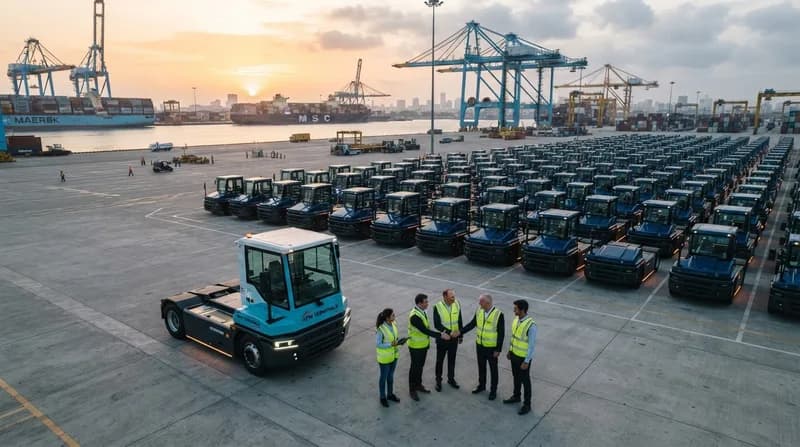
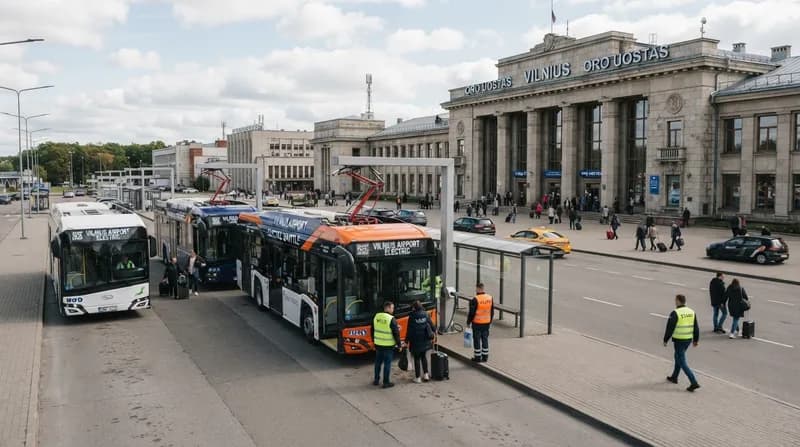
Vilnius Airport has marked a significant milestone in its sustainability roadmap by transitioning its entire passenger transfer shuttle fleet to battery-electric propulsion. Starting mid-November 2026, twelve specialized Cobus electric buses have officially replaced the airport’s aging diesel fleet. This transition is not merely an equipment upgrade; it represents a comprehensive shift in how the facility handles ground-side logistics, aiming to curtail both local atmospheric pollution and the disruptive noise typical of busy airport aprons.
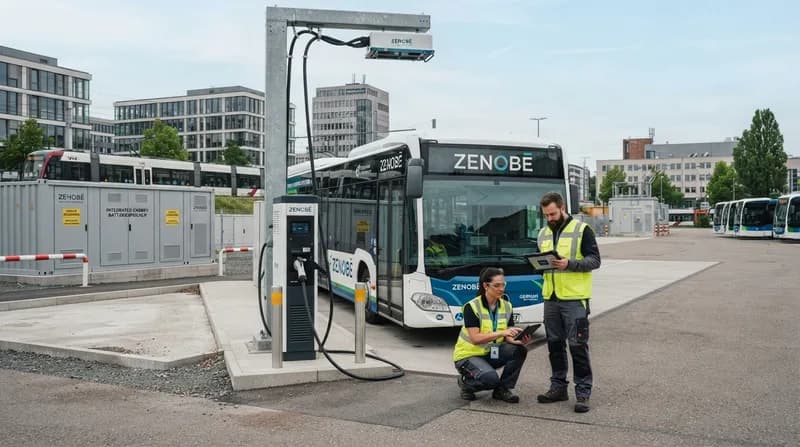
The investment, valued at €7.2 million, covers the procurement of the vehicles as well as a multi-year service commitment. By moving away from internal combustion engines, the airport estimates it will prevent approximately 58 tonnes of CO2 emissions every year. To support this new hardware, the airport has installed three dual-port charging stations, allowing for the simultaneous charging of up to six buses using electricity sourced entirely from renewable energy, ensuring the lifecycle of these vehicles remains as green as their operation.
Engineering for the Apron
The Cobus electric buses have been engineered specifically for the unique demands of an airport environment, where efficiency and passenger flow are critical. Each unit boasts an impressive capacity of up to 100 passengers. To streamline the boarding process, the design incorporates wide doors on both sides of the chassis and a lowered entrance, providing seamless accessibility for travelers with heavy luggage, baby carriages, or those with reduced mobility requirements.
Technical endurance is a major upgrade compared to the outgoing diesel models. While the previous diesel shuttles required frequent refueling after roughly twelve hours of operation, the new electric fleet features substantial energy density that allows for up to three days of runtime on a single charge. This extended operational window grants the airport’s new in-house transport unit far greater flexibility in scheduling rotations. Furthermore, the inclusion of automatic climate control ensures passenger comfort, while the electric powertrain offers a significantly quieter environment for both ground staff and waiting travelers.
Why it Matters
- Operational Efficiency: The ability to run for three days on one charge allows for optimized, less frequent vehicle scheduling.
- Sustainability Targets: The project directly supports the airport’s broader net-zero strategy, aiming for climate neutrality by 2030.
- Legislative Alignment: Since 2026, Lithuanian transport operators are mandated to procure only alternative-drivetrain buses, positioning Vilnius as a leader in regional compliance.
Service and Support Infrastructure
The transition is supported by a comprehensive five-year service contract with Cobus. This agreement ensures that the manufacturer maintains responsibility for all repairs, routine maintenance, and the supply of necessary spare parts. This partnership includes a 24/7 technical support hotline and remote fleet monitoring, which allows for proactive diagnostics to prevent downtime. By centralizing transport under a new, dedicated internal unit—complete with 35 trained drivers—Vilnius Airport is ensuring that its fleet transition is supported by long-term institutional knowledge, setting a high standard for airports across the Baltic region as they modernize their ground operations.