The Compliance Logjam
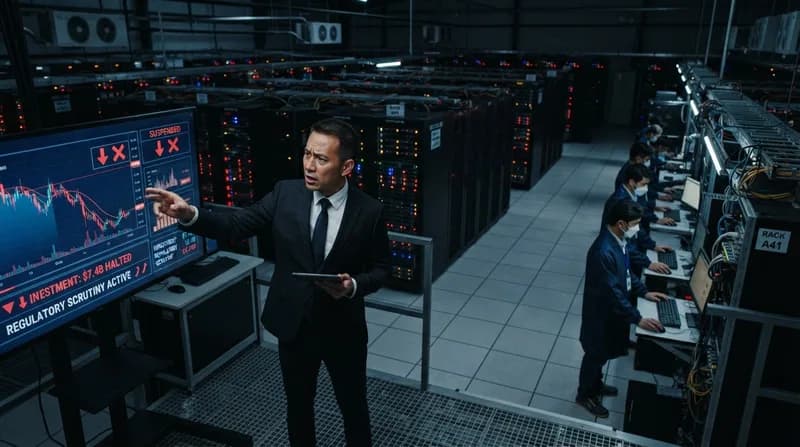
The landscape for high-performance computing infrastructure in Asia is facing a significant cooling period as fresh US chip export restrictions take hold. Financial institutions are pulling back from major financing commitments for data center projects, particularly those involving high-profile Chinese technology conglomerates. Lenders are currently caught in a complex web of legal and compliance uncertainties, forcing a comprehensive reassessment of capital deployments tied to entities like ByteDance, Alibaba, and Tencent.
As these new regulatory mandates come into effect, the immediate impact is a pause on billions of dollars in planned infrastructure investment. Financial experts indicate that the primary concern among global banks is the risk of accidental non-compliance with US trade policies, which restrict the transfer of advanced silicon—the lifeblood of modern AI data centers—to specific international markets. This uncertainty has created a 'wait-and-see' environment, effectively paralyzing the rapid expansion that characterized the region's tech sector over the past few years.
Why It Matters
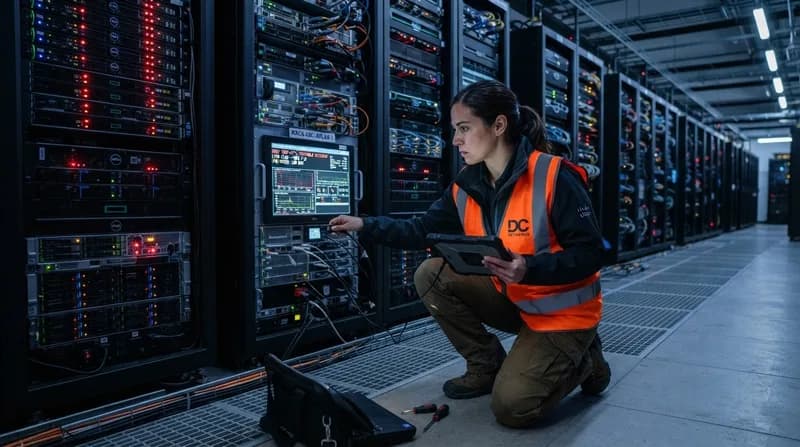
Data centers are the physical engines of the AI revolution, requiring thousands of advanced GPUs to process foundation models and train complex algorithms. By restricting the flow of this hardware, US policy is directly impacting the scalability of regional tech giants. For the broader market, this shift signifies a fundamental change in how cross-border infrastructure projects are financed. Moving forward, lenders will likely demand far more rigorous technical vetting and legal oversight to ensure that data center hardware does not violate shifting export thresholds.
Outlook and Implications
- Increased Due Diligence: Banks are implementing stricter KYC (Know Your Customer) protocols specifically focused on the technical specifications of chips used in funded data centers.
- Shift in Hardware Procurement: Chinese firms may accelerate internal efforts to develop domestic silicon alternatives to bypass reliance on restricted foreign components.
- Stagnation of Growth: The immediate capital freeze is expected to slow the pace of AI model development and commercial deployment within the Asian market, as computing capacity remains artificially constrained.
Ultimately, the intersection of geopolitics and infrastructure funding is creating a new bottleneck. As the industry recalibrates, the ability to secure funding will depend increasingly on demonstrating a clear, compliant supply chain, forcing a decoupling of infrastructure development from restricted high-end chip access.