Navigating a Challenging PC Landscape
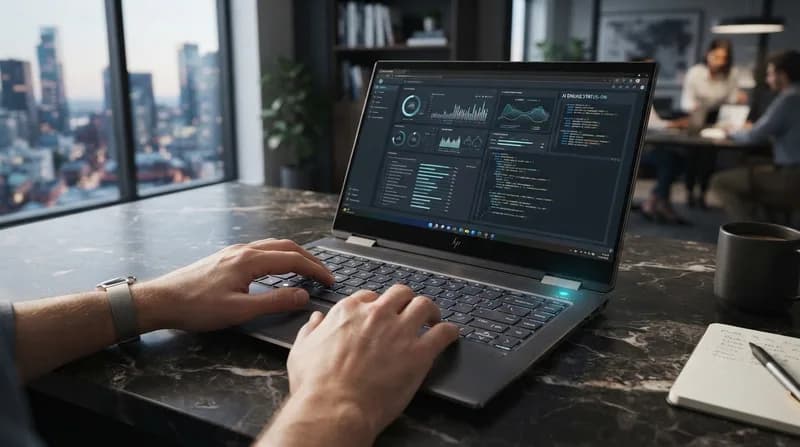
The global personal computer market is bracing for a rough ride in 2027. Projections suggest that shipment volumes will contract by high single digits to low double digits, largely driven by a persistent and painful memory chip shortage. Despite these headwinds, HP Inc. remains optimistic about its financial trajectory, pinning its recovery and growth strategy on a pivot toward high-margin premium hardware and the burgeoning category of AI-enabled personal computers.
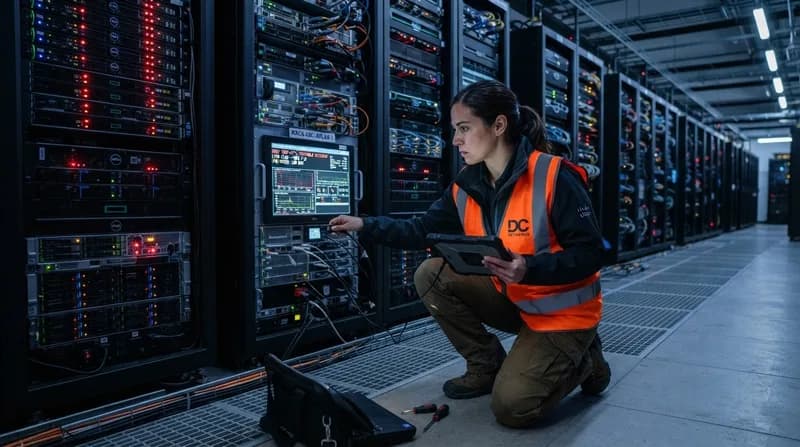
Interim CEO Bruce Broussard has positioned the company to capture value by focusing on the transition of AI workloads from purely cloud-based environments to the edge. By running AI inference locally on devices, HP aims to meet the demands of enterprise users who require high performance, local data processing, and enterprise-grade security. The company cites data suggesting that by 2030, half of all enterprise AI inference workloads will shift to endpoints, a market segment where HP intends to leverage its massive installed base of over half a billion devices.
The Shift to Edge AI
For HP, the future of artificial intelligence is fundamentally hybrid. The company’s strategy involves deploying hardware capable of managing complex AI tasks closer to where data is generated. This "edge" approach is designed to balance the speed and privacy of local processing with the scalability of the cloud. In the most recent fiscal quarter, this bet appeared to pay off; AI PCs accounted for nearly 60 percent of the company’s total shipments.
However, this transition is not without friction. Component costs, particularly for memory and storage, have placed significant pressure on profitability. Earlier this year, HP noted that memory and storage costs as a percentage of the total bill of materials had ballooned from approximately 15-18 percent to nearly 40 percent. While the company is working to optimize product configurations and secure long-term supply agreements, executives acknowledge that CPU and memory costs will continue to present a challenge in the coming year.
Why it Matters
- Strategic Pivot: HP is actively de-emphasizing low-end commodity PCs in favor of premium, AI-capable machines to protect margins in a declining volume market.
- Market Dynamics: The ongoing memory chip crisis is forcing manufacturers to rethink supply chains and pass on costs to consumers via higher-priced, feature-rich hardware.
- Enterprise Focus: The push toward edge AI caters to corporate clients who need localized data processing, positioning HP as a critical infrastructure partner rather than just a hardware vendor.
Outlook and Leadership
As HP moves into the next calendar year, the company faces a significant leadership transition. Emma Walmsley, former head of GSK, is set to take the reins as CEO on January 4. She will be tasked with steering the company through a period of market uncertainty where successful product design and strategic supply chain management will be the primary determinants of success. While the memory crunch is expected to persist, HP anticipates that the current quarter may represent the margin floor for its Personal Systems division, with future profitability tied to the continued adoption of its high-end AI portfolio.