The Challenge of Immune Exhaustion
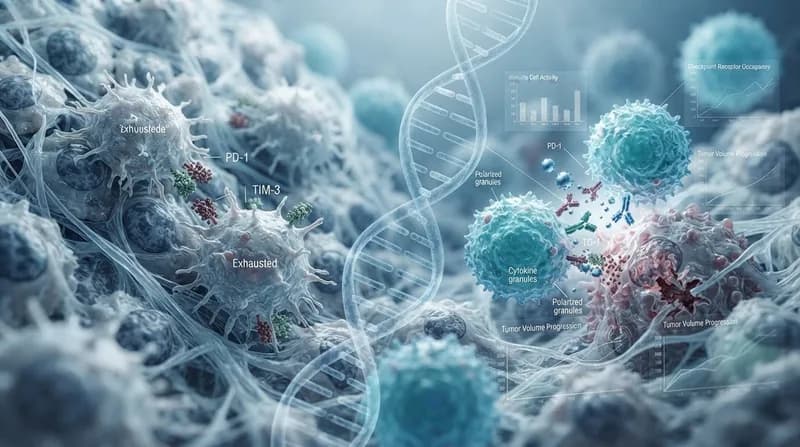
Cancer immunotherapy has long held the promise of transforming how we treat malignancy by empowering the body’s own T cells to hunt down and eliminate tumor cells. However, clinical reality often reveals a frustrating limitation: as these immune soldiers relentlessly attack cancer, they eventually hit a wall. This phenomenon, known as T cell exhaustion, results in a state where these crucial cells lose their vigor, rendering current treatments like checkpoint inhibitors ineffective over time. Many patients experience a fleeting moment of clinical success, only to see the progress fade as their immune response runs out of steam.
A team of researchers at Memorial Sloan Kettering Cancer Center (MSK) has recently identified a culprit behind this rapid depletion: a signaling molecule called MEK. By investigating the metabolic processes of these cells, the scientists discovered that the drive to produce massive amounts of cytotoxic, or cancer-killing, proteins creates an unsustainable energy drain. When MEK is hyperactive, it forces T cells to operate at a pace that leads to terminal exhaustion, a point of no return where the immune system can no longer be reactivated to continue the fight.
The Metabolic Paradox
Perhaps the most counterintuitive finding of the study, published in the journal Immunity, is that exhausted T cells are not inherently sluggish or dormant. Instead, they are hyper-metabolically active. They are constantly consuming nutrients, but they are funneling almost all of their energy into the production of proteins. Dr. Santosha Vardhana and his team describe this as an issue of energy allocation rather than a simple lack of fuel.
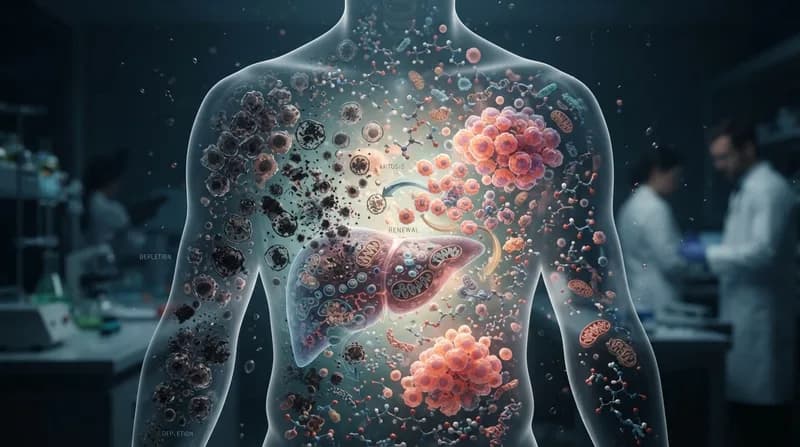
Think of the T cell’s energy reserves as a bank account of adenosine triphosphate (ATP). When a cell is tasked with attacking a large, aggressive tumor, it spends its ATP currency at an unsustainable rate. By blocking MEK signaling, the researchers discovered they could essentially force the cells to 'pace themselves.' While this inhibition reduces the immediate, explosive intensity of the initial immune attack, it allows the T cells to maintain a stable energy balance, preserving their functionality for a much longer period. This represents a fundamental shift in perspective: moving away from the idea that we must always stimulate the immune system, and toward the idea that we must manage the system’s energy resources to ensure it can finish the race.
Clinical Implications and Outlook
This discovery opens new doors for tailoring immunotherapies to individual patients. The researchers suggest that MEK inhibitors—which are already FDA-approved and available—could be integrated into current treatment protocols to enhance outcomes. The application of this strategy is highly nuanced; for instance, in cases where a patient has a smaller tumor load and a high number of active immune cells, the 'full speed' traditional approach remains the best course of action. However, for those battling larger, more resilient tumors, this conservation-based approach could be the key to sustained remission.
Why it Matters
- Persistence: The technique aims to solve the persistent issue of T cell longevity in CAR T cell and TIL therapies.
- Flexibility: By using existing MEK inhibitors, the timeline for moving this research into human clinical trials could be significantly shorter than typical drug development cycles.
- Strategic Choice: It reframes immunotherapy as an adjustable dial, allowing oncologists to choose between a short, high-intensity strike or a long-term, persistent immune engagement depending on the patient's specific biological needs.
Ultimately, this research highlights the complexity of the immune system's 'safe mode.' Exhaustion is not just a failure; it is an equilibrium state that cells enter to survive. By understanding the signaling pathways that govern this state, scientists are gaining the ability to manipulate the immune system with greater precision, turning the tide against cancer one cell at a time.