The 72-Hour Biological Switch
For centuries, fasting has been practiced for religious, cultural, and health-related reasons, but the precise internal mechanics of how the human body adapts to extended periods without food have remained largely mysterious. Recent research conducted by scientists at Queen Mary University of London and the Norwegian School of Sports Sciences has provided a granular look at this process, revealing that significant systemic changes do not truly take hold until the three-day mark.
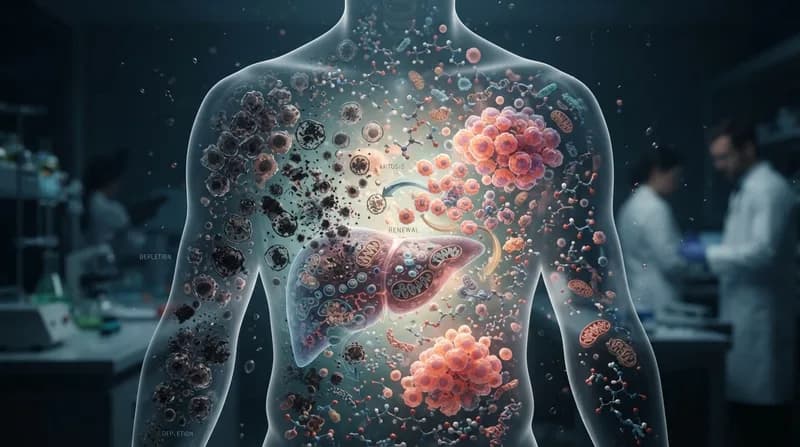
By monitoring 12 healthy volunteers during a seven-day, water-only fast, researchers analyzed over 3,000 distinct proteins in the blood. While it is common knowledge that the body shifts from burning glucose to utilizing stored fat when calories are absent, this study confirms that the response is far more profound than simple metabolic fuel-switching. Roughly one-third of the measured proteins shifted significantly during the fast, suggesting a coordinated, whole-body adaptation that involves almost every major organ system.
Implications for Medical Science
The study, published in Nature Metabolism, discovered that biological markers related to the structural integrity of neurons—the cells responsible for transmitting signals throughout the nervous system—began to change after three days. These findings are particularly significant because they demonstrate that the body initiates protective or adaptive mechanisms that are not merely byproducts of weight loss.
Understanding these specific pathways is crucial for the future of precision medicine. While fasting itself can be physically demanding and potentially unsafe for certain populations, the identification of these molecular triggers suggests that it might one day be possible to develop pharmacological treatments that mimic the beneficial effects of fasting. By isolating the precise biological signals that promote systemic health, researchers hope to create interventions that offer the benefits of a week-long fast without requiring patients to endure the associated caloric deprivation.
Key Findings from the Seven-Day Study
- The Three-Day Threshold: The most significant molecular and systemic changes to the human proteome emerge only after approximately 72 hours of total calorie restriction.
- Beyond Weight Loss: Observed biological signatures were not merely a consequence of shedding 5.7 kilograms of mass; they represented distinct, coordinated adaptations across various organ systems.
- Neuro-Structural Shifts: The research identified clear changes in proteins associated with the maintenance and structural support of neurons, hinting at potential long-term benefits for neurological health.
- Resilience to Weight Regain: While participants experienced a mix of fat and lean mass loss during the fast, the majority of the lost lean mass was recovered within three days of refeeding, while fat mass remained reduced.
Ultimately, this research serves as a foundational map for the next generation of metabolic health studies. By delineating the timeline of how the body responds to extended hunger, scientists have moved closer to understanding how to harness the body's internal evolutionary toolkit. Whether through targeted drug development or refined dietary protocols, the goal remains the same: translating the profound resilience of the human body into tangible medical therapies.