The Discovery of a Metabolic Vulnerability
In a significant breakthrough for hematology, scientists at the University of Colorado Anschutz Cancer Center have identified a unique metabolic vulnerability within the stem cells responsible for high-risk myelodysplastic syndromes (MDS). MDS is a debilitating group of blood cancers that impair the bone marrow's ability to produce healthy, functional blood cells. Often progressing into aggressive acute myeloid leukemia (AML), this condition has long remained a complex challenge for clinicians to treat effectively.
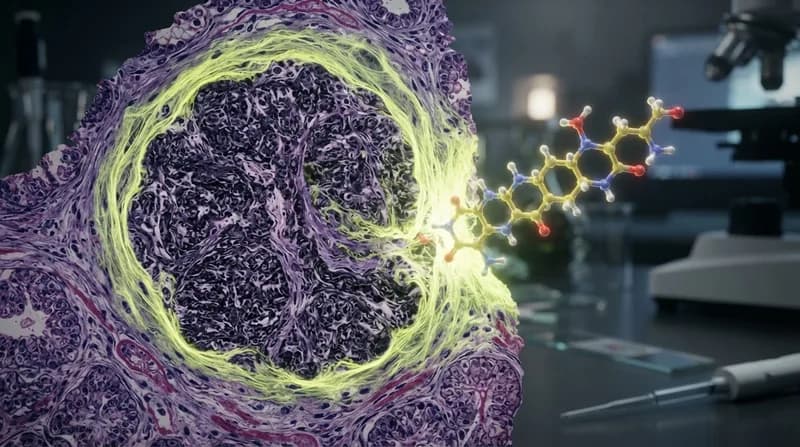
The study, published in Blood Cancer Discovery, reveals that these malignant stem cells possess what researchers describe as an "energy addiction." Unlike their healthy, resilient counterparts, MDS-driven stem cells exhibit a rigid dependence on nicotinamide adenine dinucleotide (NAD), a molecule central to cellular energy production. By focusing on the metabolic pathways that maintain NAD levels, the research team has successfully identified a distinct mechanism that could serve as a precise target for future oncology treatments.
Understanding the NAD Salvage Pathway
At the heart of this "energy addiction" is the NAD salvage pathway—a critical recycling process that cells utilize to maintain their necessary NAD supply. The research team pinpointed a specific enzyme known as nicotinamide phosphoribosyltransferase (NAMPT), which acts as a linchpin for this pathway. Because MDS stem cells consume NAD at a significantly accelerated rate compared to normal blood-forming stem cells, they become dangerously reliant on the efficiency of this recycling mechanism.
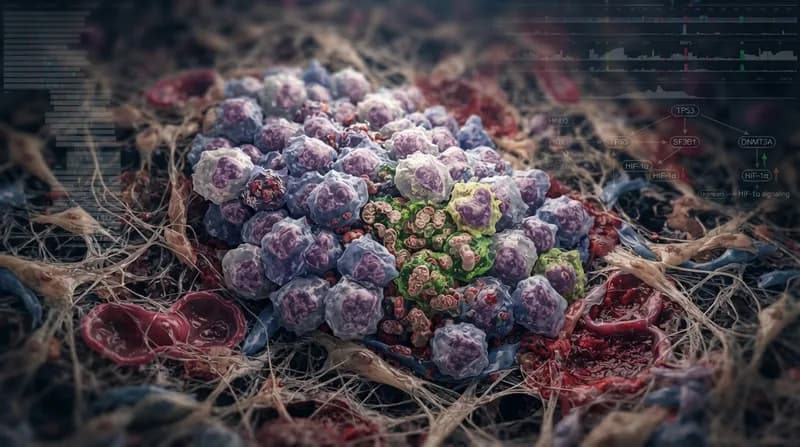
When researchers experimentally disrupted the NAMPT enzyme, they effectively cut off the energy supply to the cancer-driving cells. The result was a "metabolic crisis" within the malignant stem cells, causing them to weaken and wither. Notably, healthy blood-forming stem cells demonstrated a remarkable degree of flexibility, successfully shifting their metabolic strategies to compensate for the disruption. This selectivity is the "holy grail" of cancer research, as it suggests a potential therapy that could cripple tumors while leaving healthy, essential cells largely unharmed.
Why It Matters
- Precision Medicine: By targeting the unique metabolic "addiction" of cancer cells, scientists hope to move away from systemic treatments that cause broad collateral damage to the patient.
- Preventing Progression: High-risk MDS frequently advances to acute myeloid leukemia (AML). Disrupting these stem cells early could theoretically stop the disease before it escalates to more lethal forms.
- Clinical Potential: The identification of NAMPT as a vulnerability provides a clear objective for pharmaceutical developers to design and test new classes of small-molecule inhibitors for clinical use.
The Path to Clinical Application
The research team, co-led by Dr. Eric M. Pietras and Dr. Craig T. Jordan, has already successfully demonstrated the efficacy of this approach in both patient-derived MDS cells and controlled animal models. The reduction in the number of disease-driving stem cells following NAD metabolism interference suggests that these findings are not merely academic—they provide a tangible roadmap for therapeutic intervention.
Looking ahead, the team is shifting its focus toward clinical investigations. The goal is to translate these laboratory successes into human trials, exploring drugs that can safely and effectively inhibit NAMPT in patients living with MDS and related blood disorders. As the scientific community continues to map the distinct metabolic landscapes of various cancers, this "energy addiction" strategy stands out as a highly promising avenue for developing the next generation of effective, high-precision cancer therapies.