A New Approach to Therapeutic Resistance
Pancreatic cancer remains one of the most formidable challenges in modern oncology, primarily due to the dense, fibrous environment that encapsulates tumors. This structure acts as a physical shield, preventing chemotherapy drugs from reaching their targets and creating an immunosuppressive zone that keeps the body's natural defenses at bay. A recent clinical study, published in Nature Cancer, has introduced a potential breakthrough by repurposing a vitamin D analog to 'reprogram' this hostile microenvironment.
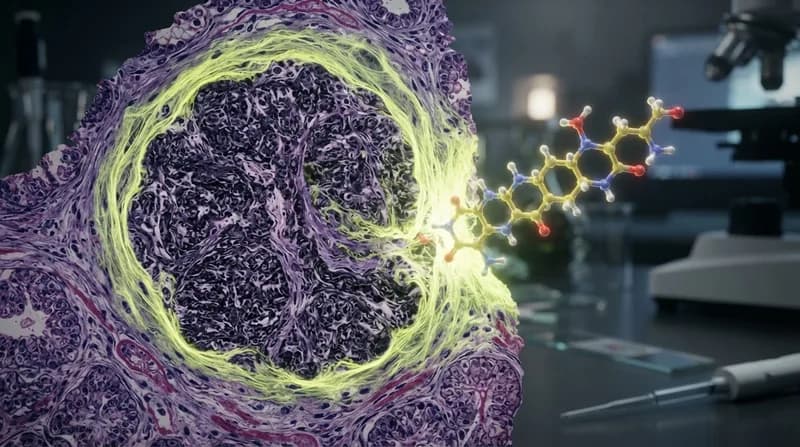
Researchers from the Salk Institute and Dana-Farber Cancer Institute tested paricalcitol—an FDA-approved drug currently used to treat secondary hyperparathyroidism in chronic kidney disease—in patients with metastatic pancreatic cancer. By activating the vitamin D receptor, the drug effectively alters the behavior of cancer-associated fibroblasts, the cells responsible for building the tumor's protective shell. Rather than focusing solely on killing cancer cells, this strategy seeks to dismantle the structural armor that allows the disease to survive and thrive.
The Clinical Trial Findings
The study enrolled 36 patients with previously untreated metastatic pancreatic cancer, who received standard chemotherapy in combination with either a placebo, intravenous paricalcitol, or oral paricalcitol. The primary goal was to ensure the safety of the drug combination, which proved successful for the vast majority of participants. While five patients on the oral regimen experienced elevated calcium levels, these were managed through simple dosage adjustments, demonstrating that the therapeutic strategy is viable for clinical use.
Beyond safety, the researchers utilized advanced imaging and spatial transcriptomics to observe changes within the tumors themselves. The biopsies revealed that paricalcitol reduced fibroblast activation and, notably, encouraged the infiltration of T-cells—the very immune cells typically blocked from attacking the tumor. This indicates that the drug is successfully remodeling the tumor's internal landscape, making it more permeable and biologically 'vulnerable' to standard treatments.
Why it Matters
This study represents a significant shift in oncological thinking. By targeting the stroma—the connective tissue surrounding the tumor—researchers can theoretically overcome the therapeutic resistance that has plagued pancreatic cancer treatment for decades. The clinical outcomes were striking: 42% of patients receiving paricalcitol showed a partial response to treatment, compared to only 9% in the placebo group. Furthermore, patients with high levels of the vitamin D receptor who received the analog experienced the longest survival times, suggesting that future treatment could be personalized based on a patient’s unique molecular profile.
Future Implications and Outlook
While this phase of the research was not designed to establish definitive survival metrics, the signals are sufficiently strong to warrant larger-scale, multi-center trials. The success of this collaboration between lab-based biologists and clinical oncologists highlights the power of translational medicine. If validated in larger studies, paricalcitol could become a cornerstone of a new 'stromal remodeling' standard of care, offering hope to those facing one of the most aggressive forms of cancer. Researchers are now looking toward identifying biomarkers that will allow physicians to predict which patients are most likely to benefit from this innovative combination therapy.