The Path to Halting Neuroinflammation
A significant hurdle in treating neurodegenerative conditions has been the complexity of the brain’s immune system. However, a groundbreaking study published in the journal Brain by a team at the University of Birmingham offers a fresh perspective on how we might arrest the progression of diseases like Alzheimer's, Parkinson's, and even complex psychiatric disorders. By focusing on the P2X7 receptor, researchers have identified a biological "switch" that, when manipulated, can prevent the cascade of inflammation that often leads to neuronal damage.
The study, led by Professor Nicholas Barnes, represents a critical shift in neuropharmacology. Rather than focusing on external factors, the team examined live cultures of human brain cells and actual tissue slices harvested during neurosurgical procedures. By targeting the P2X7 receptor, the scientists successfully inhibited the release of cytokines—the signaling proteins primarily responsible for triggering and sustaining inflammatory responses in the central nervous system. This discovery is particularly notable because it suggests that existing pharmacological agents could potentially be repurposed to address conditions currently lacking effective treatments.
Innovating Microglia Research
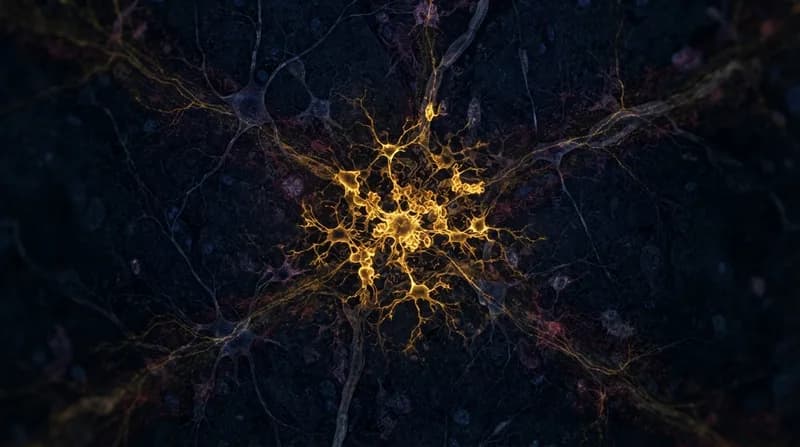
One of the most persistent challenges in neurological science has been the difficulty of studying microglia, the brain's resident immune cells. Under laboratory conditions, these cells typically lose their functional characteristics once removed from the brain's environment, making them notoriously difficult to study. To overcome this, the Birmingham team pioneered a novel approach: converting readily accessible human peripheral monocytes—a type of white blood cell—into cells that replicate the behavior and characteristics of human microglia.
This "monocyte-derived microglia" platform provides a scalable and highly precise method for analyzing how the brain responds to injury and aging. By observing these cells, the researchers gained the necessary data to validate their findings in actual human brain tissue. The ability to bridge the gap between blood-derived immune cells and functional brain tissue is a significant technical leap that promises to accelerate the drug discovery process for a wide range of chronic neurological and psychiatric conditions.
Why This Matters
- Therapeutic Repurposing: The study suggests that existing drug antagonists could be fast-tracked to treat neuroinflammation, potentially saving years of development.
- Broad Clinical Reach: The findings are not limited to one disease; they hold promise for traumatic brain injury (TBI), multiple sclerosis, depression, and schizophrenia, all of which share inflammatory components.
- Human-Centric Research: By utilizing human-derived tissue and specialized cell models rather than relying solely on animal models, the research offers a higher degree of clinical relevance for future human trials.
The Road Ahead: From Lab to Clinic
The successful translation of these findings into human brain tissue marks a major milestone. Having established a clear mechanism for reducing inflammatory signaling via the P2X7 receptor, the research team is now setting its sights on clinical trials. The focus will likely shift to patients suffering from TBI and various neurodegenerative diseases, for whom current medical interventions are largely supportive rather than curative. As the medical community looks toward future trials, this study provides a concrete, mechanism-based target that could transform the standard of care for millions worldwide.