A New Frontier in Brain Cancer Treatment
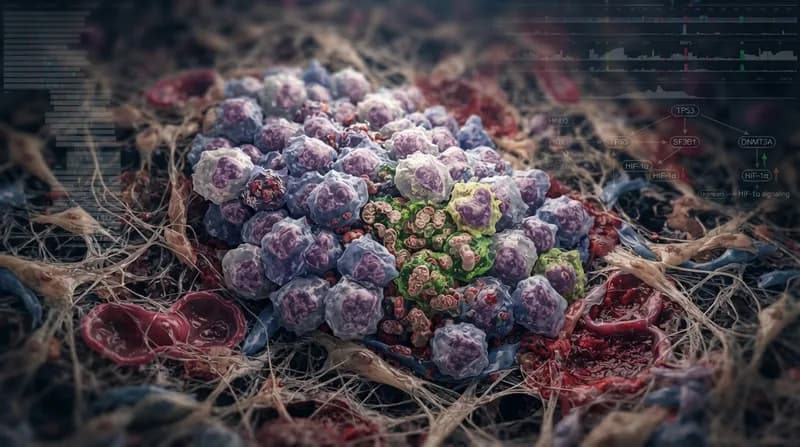
Glioblastoma remains one of the most formidable challenges in modern oncology. Known for its aggressive growth and tendency to infiltrate surrounding brain tissue, this form of brain cancer has seen remarkably little improvement in patient survival rates over the past two decades. Standard treatment protocols—a brutal combination of surgical resection, radiation, and chemotherapy—often fail to prevent recurrence, leaving patients with few long-term options. However, a groundbreaking study from the University of Calgary is offering a glimmer of hope from an unexpected source: vitamin B3, also known as niacin.
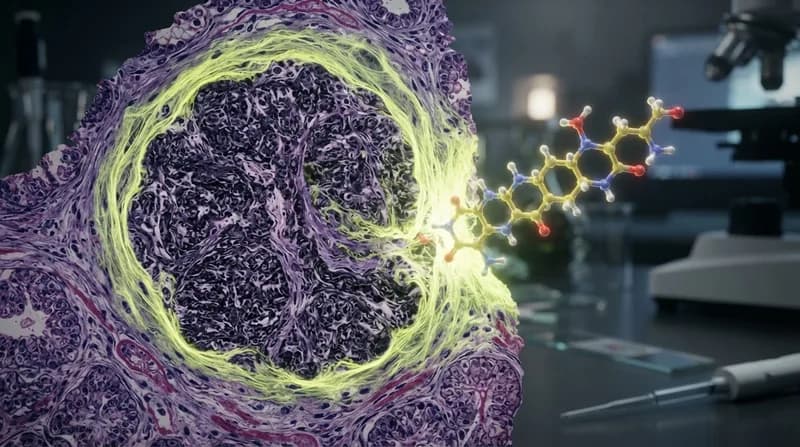
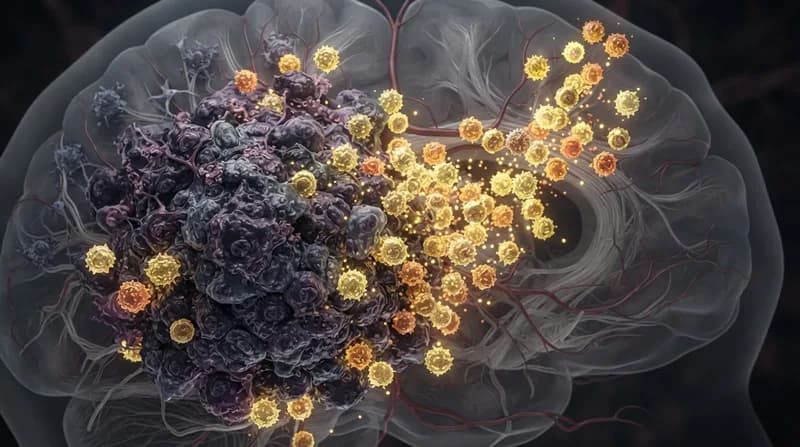
Researchers at the Hotchkiss Brain Institute and Arnie Charbonneau Cancer Institute are investigating whether high-dose niacin, when administered alongside conventional treatments, can act as an immune-system catalyst. The core problem with glioblastoma, according to neuroscientist Dr. Wee Yong, is that the tumor actively suppresses the body's natural defense mechanisms. By effectively turning off the immune cells that would otherwise identify and destroy cancerous growths, the tumor creates a shielded environment for itself. The research team hypothesizes that niacin helps "rejuvenate" these suppressed immune cells, allowing them to resume their role in the biological battle against the malignancy.
The Clinical Trial Data
The study, which has reached a combined Phase I and Phase II status, aims to determine the safety and efficacy of controlled-release niacin in patients newly diagnosed with glioblastoma. The trial was designed with a strict threshold for success: if the six-month progression-free survival rate did not improve by at least 20 percent compared to historical benchmarks, the study would be halted. The interim results from 24 participants have notably surpassed this goal. At the six-month mark, 82 percent of the study participants remained progression-free—a 28 percent increase over previous standard-of-care statistics.
While these findings are undeniably encouraging, the research team is cautious. They emphasize that the sample size remains small and that these results, while signaling a promising trend, are still preliminary. The clinical team, led by oncologist Dr. Gloria Roldan Urgoiti, continues to monitor participants under rigorous safety protocols to ensure that the experimental niacin regimen does not induce adverse reactions, as high doses of vitamins can carry toxic risks when administered outside of a controlled medical environment.
Why It Matters
- Immune Restoration: Unlike treatments that merely target tumor cells directly, this approach focuses on restoring the body's natural ability to police and eliminate cancer.
- Addressing the "Stagnation": Survival rates for glioblastoma have remained largely unchanged for 20 years; this research marks a rare, quantifiable shift in progression-free outcomes.
- Affordability and Accessibility: If proven effective in larger trials, niacin could offer a cost-effective, widely available supplemental therapy to improve the standard of care.
The Road Ahead
The research team plans to expand the study to include 48 participants, with a target completion date for final analysis in late 2026 or early 2027. This timeline is critical, as it will provide the data necessary to determine if niacin can become a standard adjunct to chemotherapy and radiation. For patients like those already enrolled in the trial, the benefit goes beyond the potential biological impact; it offers a sense of agency in a treatment landscape that has long felt like a dead end. As the medical community awaits the final results, the focus remains on strict adherence to medical oversight, reminding the public that "natural" vitamins are potent chemical compounds that require precise, professional dosing when used to treat severe disease.