Rethinking Our Green Climate Heroes
Our understanding of how trees combat climate change might need a serious re-evaluation. A groundbreaking study published in Science Advances challenges the long-held assumption that robust photosynthesis directly translates to long-term carbon storage in woody biomass. It turns out, trees are more complex than we thought.
The Great Decoupling
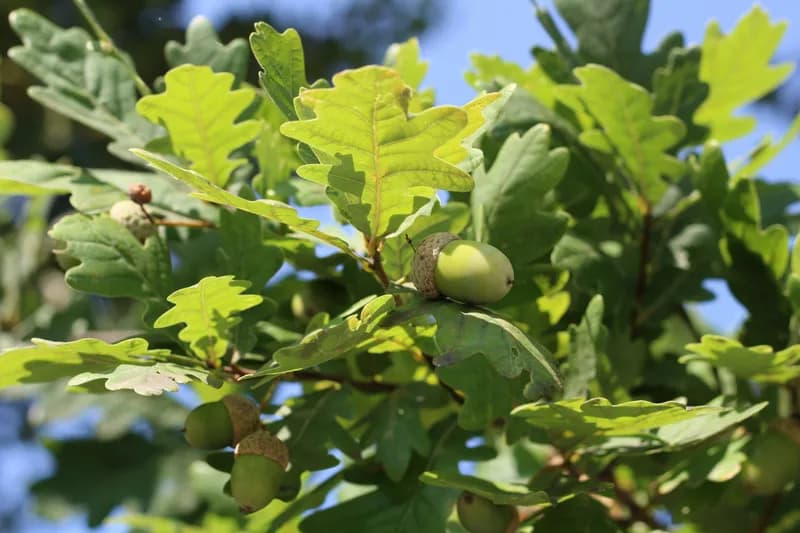
Researchers from the Columbia Climate School, led by ecoclimatologist Mukund Palat Rao, discovered that while oak trees continue to photosynthesize well into the autumn, their growth—the process that locks carbon into wood for decades or centuries—often ceases by midsummer. This “decoupling” means a significant portion of absorbed carbon isn't sequestered long-term in trunks and branches.
Why This Matters for Climate Models
Current climate models largely assume a direct correlation between carbon uptake and wood production. However, this new finding suggests that much of the carbon absorbed during late-season photosynthesis is instead used for short-term metabolic processes, foliage production, or released into the soil. This reduces the overall amount of carbon forests can store, impacting future climate predictions.
Refining Forest Contributions
The study, which utilized advanced satellite imagery and tree sensors, found this decoupling was particularly pronounced in areas experiencing highly variable climates—a pattern expected to become more common. This research underscores the need to refine our understanding of forest carbon dynamics, ensuring more accurate models for predicting our planet's climatic future.