The Enduring Shadow of the Viking Warrior
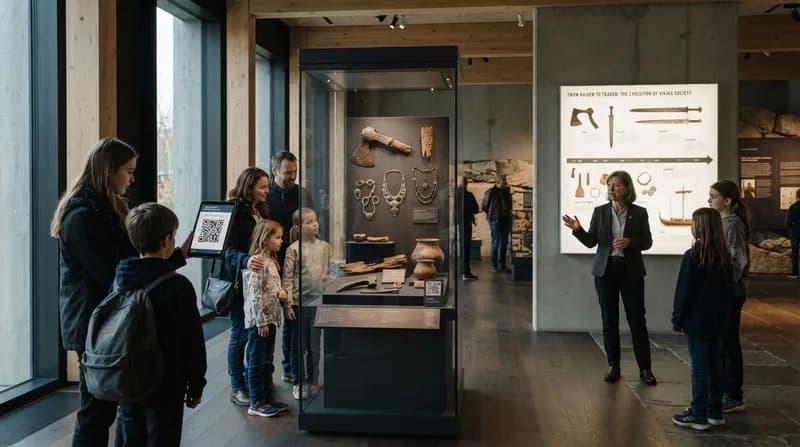
Across Scandinavia, the Viking Age serves as a cornerstone of national identity and a massive draw for international tourism. From the permanent exhibits at the National Museum in Copenhagen to the sprawling collections in Stockholm and the upcoming Norwegian Museum of the Viking Age in Oslo, these institutions face a recurring dilemma: how to satisfy the public’s thirst for the 'warrior' myth while fulfilling a mandate to present historical truth.
In the popular consciousness, the Viking is an instantly recognizable archetype—a broad-shouldered, tattooed man wielding a blade. While curators acknowledge this image is largely a caricature, it persists as the primary lure for museum visitors. Exhibits frequently place swords, ships, and symbols of Norse gods like Thor and Odin front and center, even as they attempt to weave in the more grounded reality of a society built on farming, trade, and social complexity. This tension creates a strange duality in museum galleries, where accurate history often feels like it is fighting for space against the expectations of a fantasy-driven audience.
The Gender Representation Gap
One of the most persistent hurdles for modern curators is the reimagining of Viking Age gender roles. While there is a concerted effort to move past the all-male warrior narrative, current exhibitions still struggle to depict women as anything other than exceptional figures. The spotlight frequently falls on so-called 'shieldmaidens' or aristocratic noblewomen, effectively sidelining the lives of ordinary, everyday women who were integral to the functioning of Viking society.
When these museums do address the domestic lives of women, they often rely on subtle gendered stereotypes. Captions frequently emphasize the 'lady of the house' managing domestic success or focus heavily on fashion and jewelry found in grave sites. While this attempts to validate women’s roles, it often misses the mark in painting a portrait of the diverse, active participation women held in the economic and cultural spheres of the time. The challenge remains to bridge the gap between acknowledging historical female agency and moving past the archetypes that currently dominate the narrative.
History as a Mirror for Modernity
Ultimately, the way Scandinavian museums present the Viking Age says as much about today's political climate as it does about the past. Since the 19th century, the Viking era has been leveraged to construct national identities. In the modern era, this has evolved into a strategic use of history to address contemporary social needs. For example, some exhibitions highlight archaeological evidence of successful cultural exchanges between Scandinavians and the Muslim world, aiming to provide a historical counterweight to rising nationalist rhetoric.
Why it Matters
- National Identity: Vikings are used as cultural symbols to define what it means to be Scandinavian in a modern, globalized world.
- Curatorial Tension: Museums must balance the economic necessity of high-footfall 'myth' exhibits with the educational responsibility of academic nuance.
- Societal Reflection: By choosing which parts of the Viking past to emphasize, curators are inadvertently—or intentionally—shaping the values of the present.
The obsession with these ancient seafarers is unlikely to wane, but the focus is shifting. As museums continue to refine their approach, they are effectively turning their galleries into laboratories where the past is constantly re-examined to serve the needs of the present, ensuring that the Vikings remain a living, breathing component of Scandinavian culture rather than mere static statues in a display case.