The End of Passive Consumption
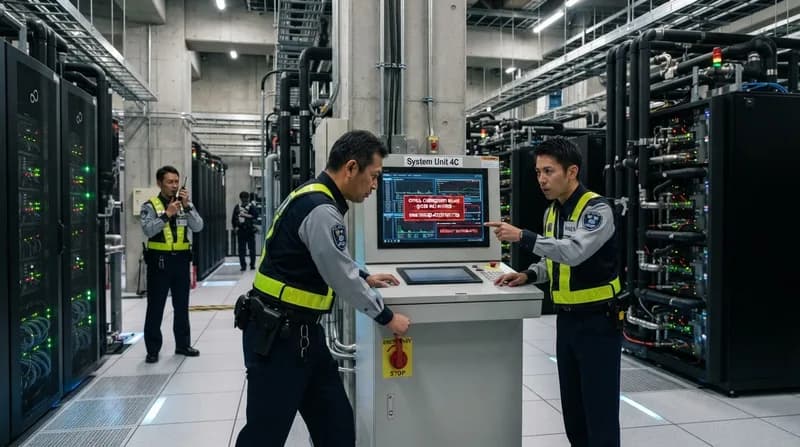
For decades, datacenters functioned as background utilities—passive consumers of grid electricity that relied on standard backups only during emergencies. That era has officially come to an end. Driven by the explosive compute demands of artificial intelligence and a broader manufacturing resurgence, datacenter power consumption is surging. Industry experts suggest these facilities could account for 17 percent of U.S. electricity consumption by 2030, a figure that has created a direct collision course with a strained and aging national power grid.
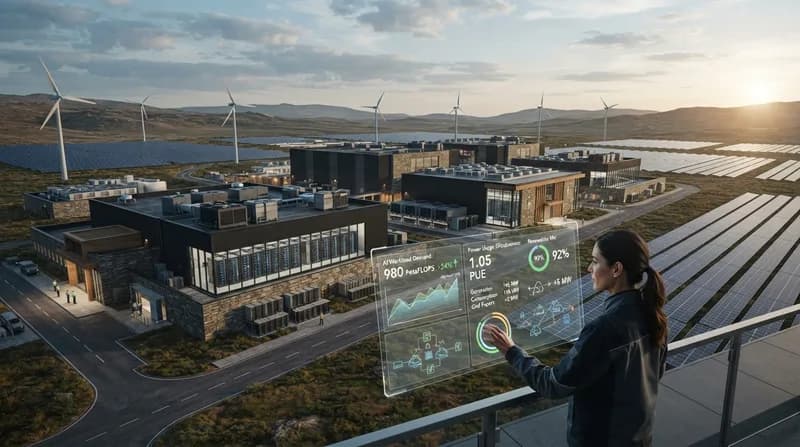
With interconnection wait times often stretching into five-year cycles, operators can no longer afford to wait for utility expansion. Instead, the industry is pivoting toward behind-the-meter (BTM) infrastructure. By deploying on-site battery storage, microgrids, and localized generation, datacenters are shifting from being passive grid liabilities to becoming active, strategic energy managers capable of stabilizing the very networks they once relied upon.
The Multi-Layered Energy Stack
AI workloads have completely disrupted traditional power architecture. While standard enterprise racks might operate below 20 kW, modern AI clusters often exceed 100 kW, creating volatile, sub-second power spikes. To manage this, operators are abandoning simple backup strategies in favor of a sophisticated, three-tiered stack:
- Uninterruptible Power Supply (UPS): Retains its role as the critical frontline defense, providing millisecond-fast voltage conditioning to prevent data corruption during transient dips.
- Battery Energy Storage Systems (BESS): Serves as an on-site shock absorber. BESS units manage volatile compute spikes, store low-cost energy for peak shaving, and offer rapid grid-balancing services to regional utilities.
- On-site Generation: Technologies like natural gas microturbines or emerging hydrogen fuel cells provide firm, long-term baseload capacity, decoupling the facility from regional grid outages and transmission constraints.
Strategic Implications and Grid Partnerships
This transition offers more than just operational security; it creates new financial incentives. By utilizing peak-shaving techniques—discharging batteries when electricity prices are highest—operators can significantly reduce their demand charges, which often comprise a massive portion of monthly utility bills. Furthermore, datacenters are increasingly acting as Virtual Power Plants (VPPs). By aggregating their BESS and backup generation, operators can partner with utilities to supply power back to the grid during emergencies, transforming dormant maintenance assets into revenue-generating partners.
Why it Matters
The shift to behind-the-meter generation is the only viable pathway for scaling AI infrastructure without waiting for decades-long grid upgrades. This model addresses two critical bottlenecks: the physical lack of power capacity and the environmental necessity of reducing carbon-heavy emergency generation. By standardizing microgrid deployments and utilizing Energy-as-a-Service (EaaS) financing models, operators are effectively de-risking the development of next-generation AI clusters while simultaneously helping to modernize the broader electrical grid.
The Financial Evolution: Energy-as-a-Service
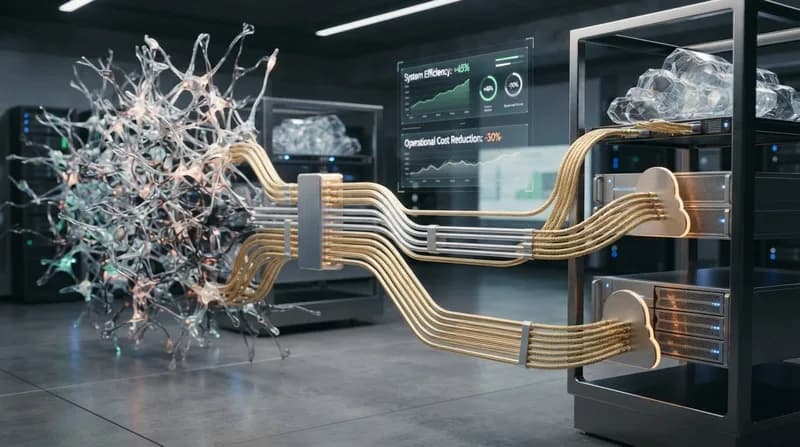
The historical barrier to localized power was the enormous capital expenditure required for custom engineering. Today, that is changing through the rise of Energy-as-a-Service (EaaS). Instead of taking on the burden of design, financing, and maintenance, datacenter operators can enter long-term service contracts with third-party developers. With billions in private capital backing initiatives like Schneider Electric's ARI or the Faraday Energy platform, the industry is moving toward a standardized, factory-validated approach to power. This reduces the time-to-market for energy infrastructure from years to mere weeks, ensuring that the physical hardware of the AI revolution can finally match the speed of its software progress.