The Shift in Used Pickup Market Dynamics
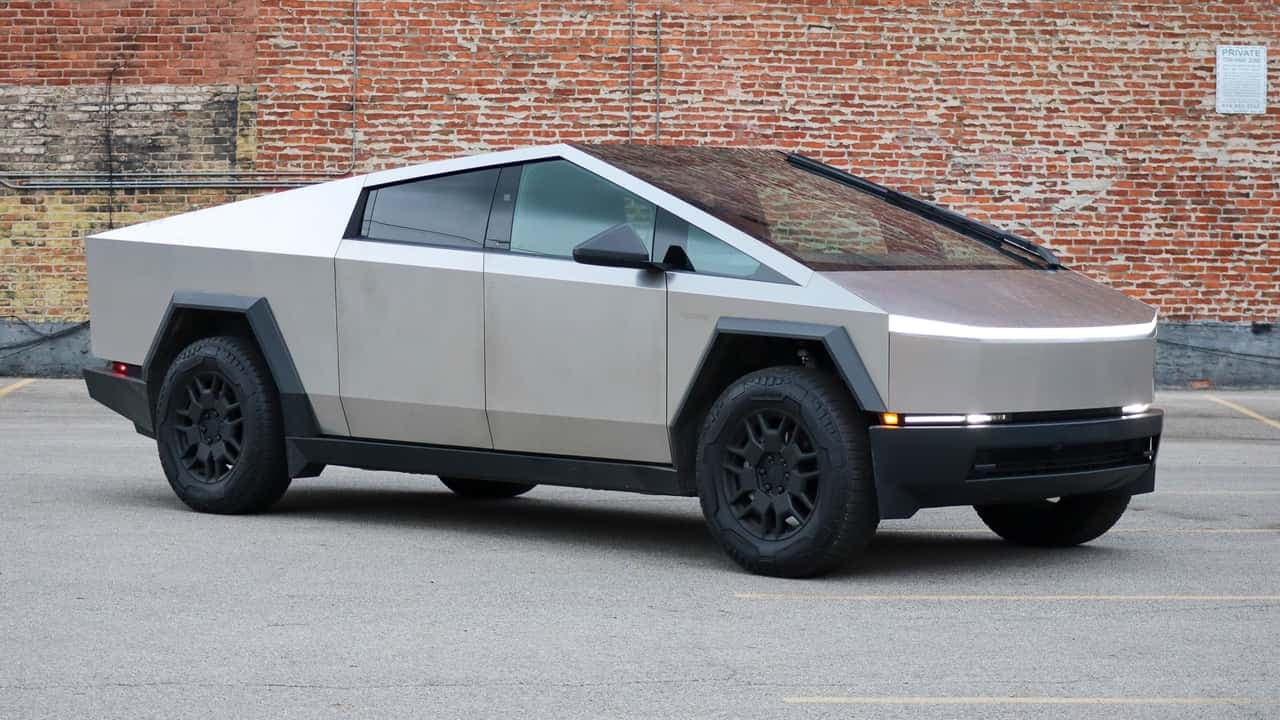
In a surprising turn for the automotive market, recent research from iSeeCars has identified the Tesla Cybertruck as the fastest-selling used pickup truck in the United States. While conventional wisdom might suggest that proven workhorses like the Toyota Tacoma or the Ford F-150 would lead the pack in turnover rate, the electric wedge-shaped newcomer has claimed the top spot, averaging just 39.1 days on the market before finding a new owner.
This performance is particularly notable when compared to the broader category of used pickups, which average roughly 65.5 days on dealer lots. The Cybertruck’s velocity significantly outpaces the traditional gas-powered Ford F-150, which requires an average of 72 days to sell. This trend highlights a shifting consumer appetite, where the novelty and distinct technological footprint of the Cybertruck are currently driving interest levels that traditional utility vehicles are failing to match in the secondary market.
The Competitive Landscape: Electric vs. Legacy
The iSeeCars study, which analyzed over 1.1 million vehicle transactions, paints a varied picture for electric pickups. While the Cybertruck leads, other electric contenders occupy different tiers of demand. The Ford F-150 Lightning, for instance, averages 47.4 days on the market, keeping it relatively competitive. Meanwhile, the Rivian R1T follows closely at 45.2 days, and the Ford Maverick Hybrid—a vehicle often praised for its efficiency and accessibility—sits at 43.3 days.
However, the sector is not without its laggards. The Chevrolet Silverado EV presents a stark contrast to the Cybertruck, languishing on the market for an average of 107.5 days. This 68-day discrepancy between the two American electric trucks underscores the extreme volatility in the current used EV space, where brand identity, design, and market positioning create vastly different outcomes for resale velocity.
Why it Matters: The Road to 2027
The rapid turnover of the Cybertruck is occurring against a backdrop of long-term production uncertainty. With Tesla officially set to conclude production of the vehicle in the summer of 2027, the market is beginning to anticipate the scarcity that typically follows the sunsetting of a polarizing, high-profile product. This looming production end date could fundamentally alter the vehicle's residual value trajectory.
- Collector Potential: As production terminates in 2027, low-mileage examples may transition from utilitarian transport to collector items.
- Dual-Motor Availability: Because Tesla has shifted its current sales focus toward the premium, tri-motor Cyberbeast, the secondary market has become the primary destination for buyers seeking the more attainable dual-motor configuration.
- Resale Volatility: While turnover is fast, it does not inherently guarantee high resale prices. Past data indicates that asking prices for used Cybertrucks have fluctuated wildly, often requiring significant downward adjustments to close a sale.
Outlook and Future Implications
As the market moves toward the 2027 production cutoff, the dynamics for the Cybertruck will likely evolve from novelty-seeking buyers to more pragmatic utility users. For individuals simply looking to tow or haul, the comparison points will shift from brand loyalty to battery health, remaining warranty coverage, and overall physical condition. While the vehicle is currently riding a wave of high demand, long-term success on the used market will ultimately depend on whether the vehicle can sustain its appeal once the "new car" excitement fades and it settles into its role as a specialized work tool.