Beyond the Nutrition Label: A New Way to Measure Energy
For over a century, the standard for nutritional science has been the Atwater system, a method that assigns caloric values to fat, protein, and carbohydrates to calculate the energy available in food. While this system has served as a practical shorthand, it is increasingly viewed as an incomplete picture of human biology. A new study from Arizona State University suggests that we have been missing a massive piece of the puzzle: the trillions of microorganisms residing in our digestive tracts.
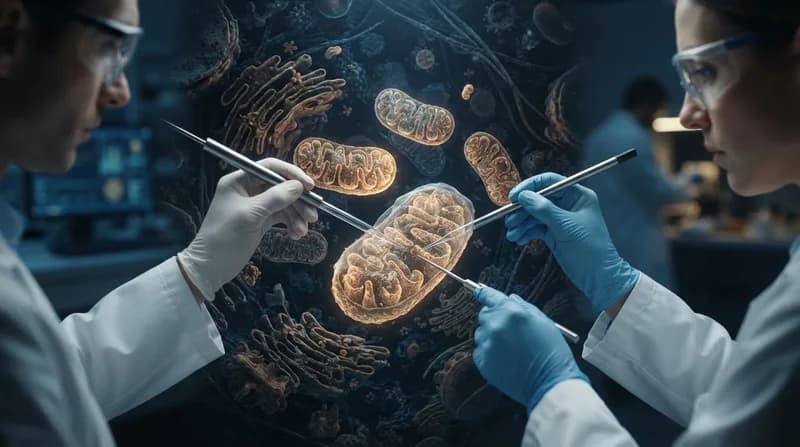
Researchers have introduced a sophisticated mathematical model known as DAMM, which stands for Digestion, Absorption, and Microbial Metabolism. Unlike the static Atwater parameters, this model provides a dynamic framework that tracks how food moves through the entire digestive system, including the crucial, often ignored contributions of the gut microbiome. By quantifying how gut bacteria process undigested material into absorbable energy, the team at ASU is offering a more precise, scientifically nuanced approach to understanding human energy balance.
The High-Fiber Advantage
The research team put their model to the test by comparing two distinct dietary approaches in a controlled clinical setting: a "microbiome-enhancer" diet rich in fiber and resistant starch, and a traditional Western-style diet consisting of more processed, lower-fiber foods. The results were striking. Participants on the high-fiber regimen absorbed approximately 116 fewer calories per day than those on the Western diet, yet they reported no increase in hunger levels.
This outcome highlights the intricate interplay between diet composition and microbial activity. While resistant starches—carbohydrates that bypass initial digestion in the small intestine—eventually reach the colon to be fermented by bacteria, the net energy gain to the host is fundamentally different than that of simple processed foods. The DAMM model successfully predicted these differences, proving that the composition of our food, and the specific way our gut microbes interact with it, dictates our final energy outcome far more than a simple calorie count suggests.
The Role of Microbial Fermentation
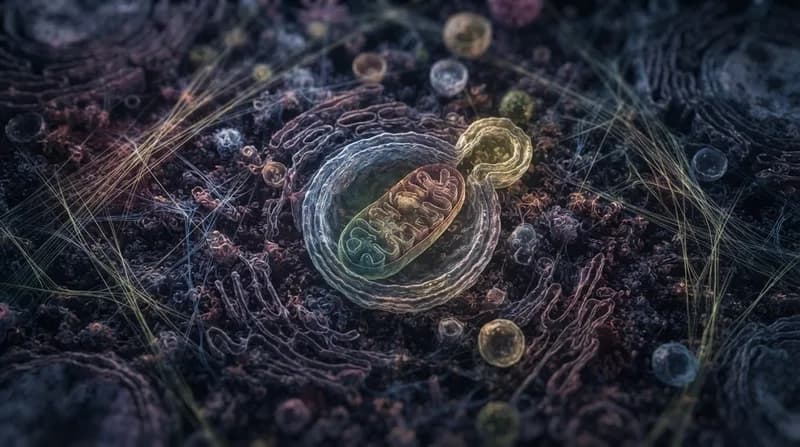
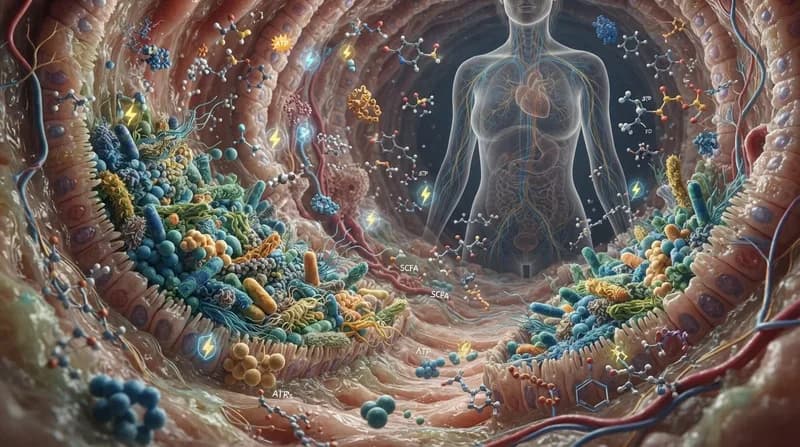
The DAMM model illuminates the complex path energy takes through the body. According to the data, roughly 85% of usable energy is extracted in the upper gastrointestinal tract, but a significant 15% is derived from the lower tract through microbial processes. As gut bacteria break down food components that escape early digestion, they produce short-chain fatty acids. These compounds, which can be absorbed by the colon, provide a steady stream of energy that traditional labeling systems simply cannot account for.
In the study, the researchers calculated that these microbial byproducts contributed an average of 140 calories per day to the participants' total energy intake. By successfully integrating these biological variables, the DAMM model provides a far more accurate estimate of calorie absorption than conventional methods. This underscores a pivotal shift in nutrition science: moving away from viewing digestion as a purely human process and toward understanding it as a collaborative partnership between the host and their internal microbial ecosystem.
Why It Matters
- Precision Medicine: This framework lays the groundwork for personalized dietary plans that account for an individual's unique gut microbiome.
- Metabolic Health: Better understanding of how fiber and microbial activity influence energy absorption could lead to improved strategies for managing obesity and diabetes.
- Redefining Calories: The study confirms that the "calorie in, calorie out" model is significantly influenced by variables beyond just the food itself, suggesting a need for more nuanced public health guidelines.
A Future of Personalized Nutrition
The implications of this research extend far beyond the laboratory. By creating a tool that can be refined as we learn more about the human microbiome, the ASU team has opened the door to a new era of metabolic health. While the DAMM model is currently a research framework, its ability to evolve as new data is incorporated makes it a powerful asset for future medical applications.
As science continues to peel back the layers of how diet, metabolism, and microbial communities interact, tools like DAMM will become essential. They offer a pathway toward nutrition plans that are not only based on the chemical makeup of food but on the individualized, biological reality of how a person’s body—and their internal microbial partners—process that food. This shift could fundamentally change how we approach weight management and chronic disease prevention in the coming decades.