A New Frontier in Ocular Healthcare
For millions of aging adults, the dual diagnosis of cataracts and glaucoma represents a significant lifestyle burden. Cataracts necessitate surgical intervention, while glaucoma—a condition characterized by dangerous fluid pressure buildup that threatens the optic nerve—typically requires a lifelong commitment to daily, often cumbersome, eyedrop regimens. A new experimental medical breakthrough, presented at the American Academy of Ophthalmology’s annual meeting, suggests that a single surgical procedure could soon address both conditions simultaneously.
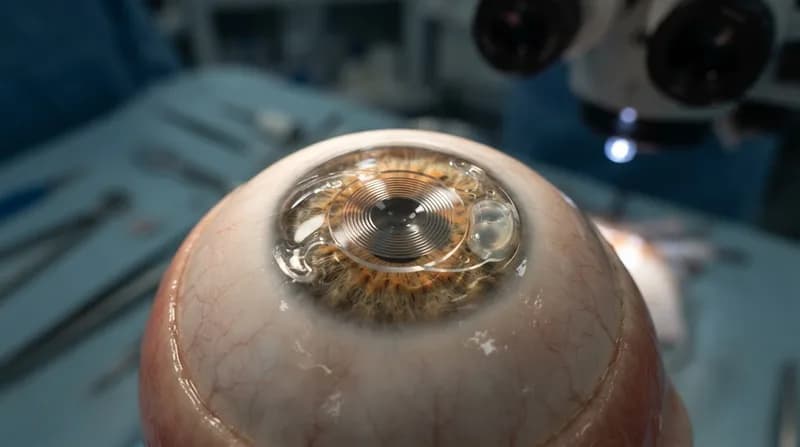
Researchers have developed an innovative artificial lens infused with bimatoprost, a proven medication used to manage intraocular pressure. By integrating this time-release medication directly into the replacement lens implanted during standard cataract surgery, the device provides a sustained, consistent dosage of medicine. This eliminates the volatility often associated with patient-administered drops, which are frequently missed or improperly applied due to the challenges of daily consistency.
Clinical Trial Results and Efficacy
The early-phase clinical trial involved 106 participants already scheduled for cataract surgery. The study design pitted the experimental drug-eluting lenses against the current gold standard: receiving a standard lens replacement combined with a twice-daily regimen of timolol eyedrops. The results, tracked over a 12-month period, showed remarkable parity between the two groups. Those who received the drug-releasing lenses maintained intraocular pressure levels comparable to those relying on daily pharmaceutical intervention.
Perhaps most promising is the adherence success rate. More than 95% of the patients who received the bimatoprost-infused lens required no additional glaucoma medication throughout the entire year of the study. This near-total elimination of supplementary treatment suggests that the lens effectively replaces the need for the traditional, often taxing, daily maintenance routine that plagues glaucoma patients globally.
Why It Matters
- Patient Compliance: Daily eyedrops are notoriously difficult for elderly patients to manage effectively; this lens automates the delivery process.
- Dual Treatment: It combines two common age-related procedures into one, reducing surgical frequency and stress on the patient.
- Sustained Pressure Control: Data shows that the device maintains pressure levels consistent with established medical standards, effectively protecting the optic nerve.
The Path Toward Widespread Adoption
While the initial results are highly encouraging, the medical community remains cautious yet optimistic as the program scales. Researchers are committed to a three-year longitudinal follow-up for the original cohort to ensure that the medication delivery remains durable and safe over the long term. Additionally, two larger, multi-site clinical trials are currently in progress to further validate the safety profile and pressure-lowering capabilities across more diverse patient demographics.
As ophthalmology moves toward more integrated, “set-it-and-forget-it” solutions, this experimental lens represents a significant shift in how chronic eye diseases are managed. If the ongoing larger trials mirror the success of this initial study, this technology could set a new standard of care, moving glaucoma management from a daily behavioral challenge to a seamless component of standard cataract surgery.