Separating Pain Relief from Psychological Detachment
For years, the medical community has operated under the assumption that the dissociative effects of ketamine—the temporary sense of detachment from one’s body or environment—were inherently tied to its efficacy in treating pain. Because patients often reported feeling 'disconnected' while simultaneously experiencing a reduction in pain intensity, it was theorized that this psychological shift was a prerequisite for therapeutic success. However, a groundbreaking study conducted by the Institute for Psychedelic Research at Tel Aviv University suggests that these two phenomena are actually governed by independent brain mechanisms.
By conducting a controlled experiment involving 37 healthy volunteers, researchers were able to track neural activity using functional magnetic resonance imaging (fMRI) while subjects received either ketamine or a placebo. The study exposed participants to controlled pain stimuli to measure both their subjective reporting of pain and their levels of dissociation. The results proved striking: there was no correlation between the intensity of a patient's dissociative experience and the amount of pain relief they achieved. A participant might report high pain relief with minimal detachment, or conversely, feel highly detached without a significant reduction in pain perception.
Mapping the Brain’s Response
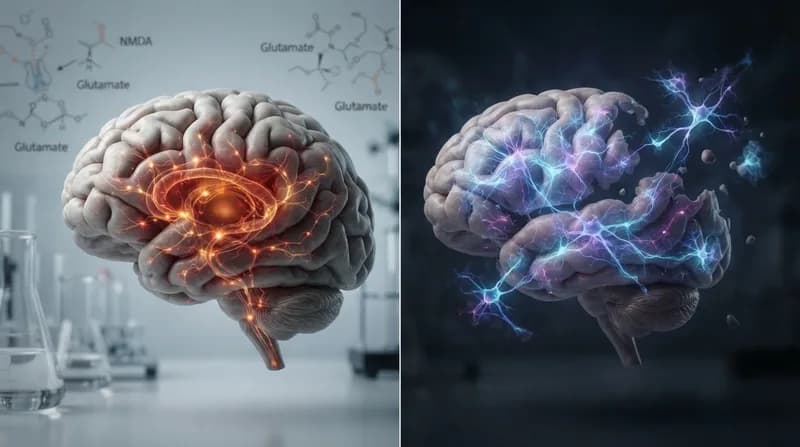
The research, published in the journal Neuropsychopharmacology, delved deeper than behavioral reporting by mapping the specific areas of the brain activated by ketamine. The findings show that the drug targets two distinct neural networks, effectively silencing the idea that they are one and the same process. Pain relief was clearly associated with dampened activity in the insula and the anterior cingulate cortex—regions explicitly tasked with processing the physical experience of pain. In contrast, the sense of dissociation was tied to fluctuations within the brain's default mode network, which is primarily involved in maintaining a person's sense of self and awareness of their surroundings.
This discovery is a major step forward for clinical pharmacology, providing a concrete path for future drug development. By isolating the biological pathway responsible for analgesia from the pathway that triggers the mind-altering 'trip,' scientists may be able to engineer next-generation treatments. The ultimate goal is to deliver the powerful pain-killing properties of ketamine without the psychological burden of dissociation, making the treatment safer and more tolerable for a wider range of patients.
Why It Matters
- Clinical Refinement: Identifying the specific neural circuits for pain relief allows for more targeted medicinal development.
- Reducing Side Effects: Future iterations of ketamine-based treatments could eliminate the often-jarring experience of dissociation, increasing patient comfort and compliance.
- Neuroscience Insight: The study highlights the complex, modular nature of how the human brain perceives and processes pain versus self-consciousness.
While lead researcher Dr. Noam Goldway and his team caution that these findings are specific to ketamine and cannot yet be applied to other psychedelics like psilocybin, the work provides a crucial foundation. As the medical field continues to explore the integration of psychoactive substances into mainstream mental health and pain management, this research establishes that the subjective experience of a drug is not always an essential component of its therapeutic utility.