The Path to the Cybercab
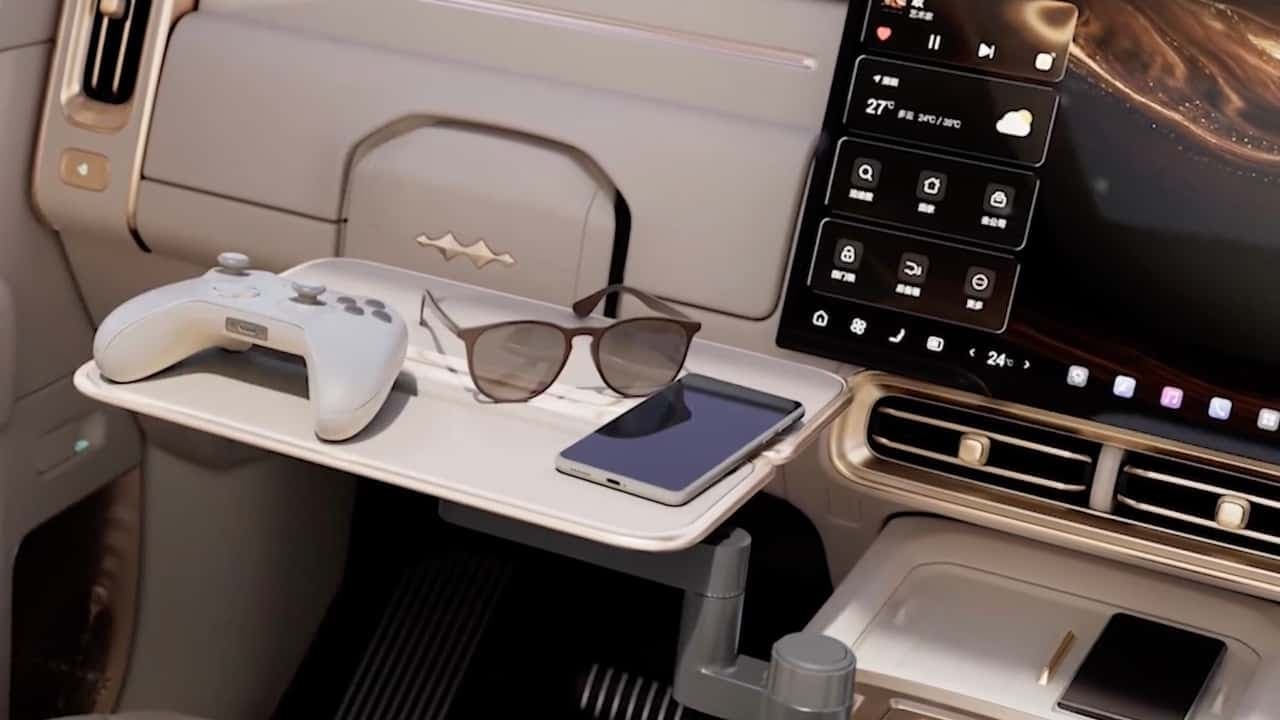
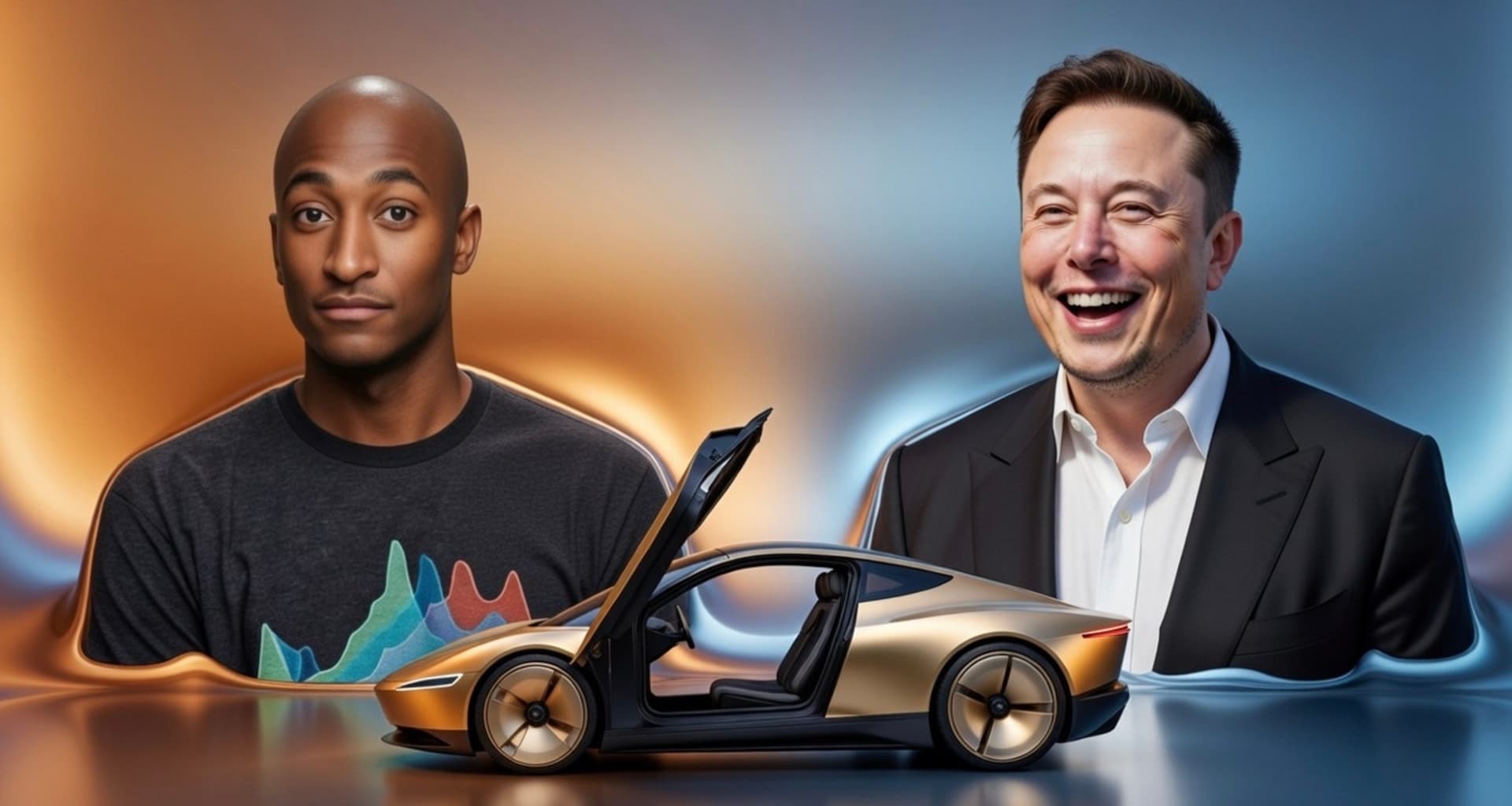
Tesla is accelerating the development of the Cybercab, a purpose-built autonomous vehicle designed to operate without human intervention. By stripping away traditional controls like steering wheels and pedals, the platform aims to fundamentally change the economics of personal transportation and ride-hailing services. The design focuses on a minimalist aesthetic that prioritizes passenger comfort and interior utility over conventional driver-centric ergonomics.
Why it Matters
- Autonomous Hardware: The vehicle utilizes Tesla's vision-based FSD stack, bypassing reliance on lidar in favor of camera-based neural network processing.
- Operational Efficiency: Eliminating the human driver creates a new business model for Tesla, positioning the company as a provider of autonomous mobility-as-a-service.
- Pressure and Timelines: The aggressive push to bring this vehicle to market has triggered significant debate regarding software maturity and safety validation protocols.
The urgency behind the Cybercab's development has become a focal point for industry observers, partly due to the intersection of corporate deadlines and high-profile social media challenges. While the technical goals are ambitious, the transition from prototype to mass-produced, regulatory-approved autonomous transport remains a daunting hurdle. Critics and supporters alike are watching closely to see if the hardware can meet the lofty promises made during its initial unveiling.
Future Implications
The success of the Cybercab hinges not just on the vehicle's hardware design, but on the reliability of the underlying AI that powers its navigation. As Tesla continues to iterate on its data-driven approach, the industry is looking for proof that a steering-wheel-free future is truly viable for widespread public use. Should Tesla succeed, it could force a massive shift in how urban mobility is managed across the globe, effectively sidelining traditional taxi services in favor of automated fleets that run around the clock.