Electric VehiclesTechnical Deep Dive

Tesla’s $3.3 Billion Pivot: Berlin Expansion Targets Mass Cybercab Production

Published
EElectricBuzz Editorial Team
Tesla’s $3.3 Billion Pivot: Berlin Expansion Targets Mass Cybercab Production
3 min read525 wordsElectricBuzz Editorial Team

The Gist

“Tesla is doubling down on its autonomous future by planning a massive factory expansion in Germany specifically designed for the Cybercab, signaling a shift away from traditional consumer vehicle lineups.”

The Path to European Autonomy

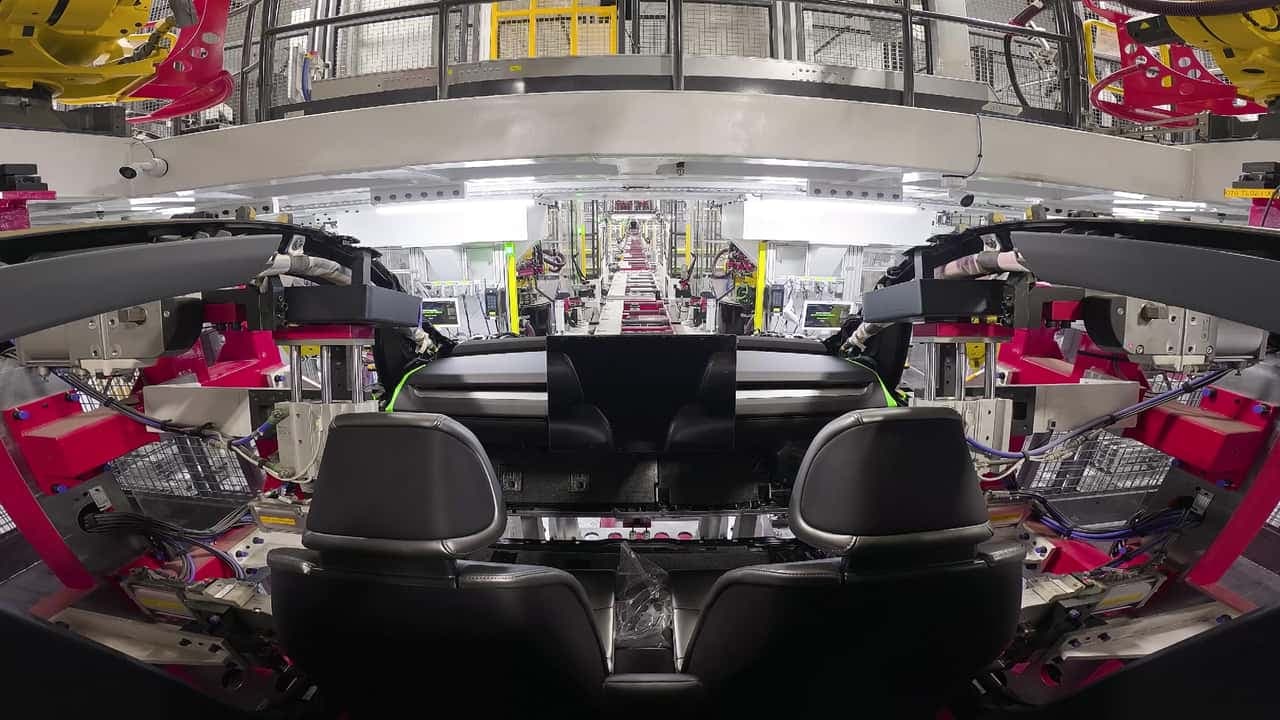
Tesla has officially set its sights on expanding its manufacturing footprint in Germany, signaling a massive $3.3 billion (€3 billion) investment aimed at bringing the Cybercab to the European market. This ambitious move, which targets production start dates as early as 2029, is designed to accommodate the manufacturing of up to one million autonomous units annually. The company is preparing to file for the necessary permits by the end of 2024, with construction slated for the first half of 2027.

This German expansion represents more than just geographical growth; it is a fundamental shift in corporate strategy. By carving out significant space for its robotaxi project, Tesla is signaling that it views the future of its business through the lens of mobility-as-a-service rather than the traditional retail model of selling passenger cars to individual owners.

Refining the Lineup: A Strategy of Contraction

The pivot toward the Cybercab comes at a time when Tesla is aggressively trimming its conventional vehicle portfolio. The once-cornerstone Model S and Model X have been retired, with space in the Fremont factory repurposed to focus on the production of the Optimus humanoid robot. Similarly, the Cybertruck—while currently still in production—is marked for an eventual shutdown to free up capacity at the Giga Texas facility for robotaxi manufacturing.

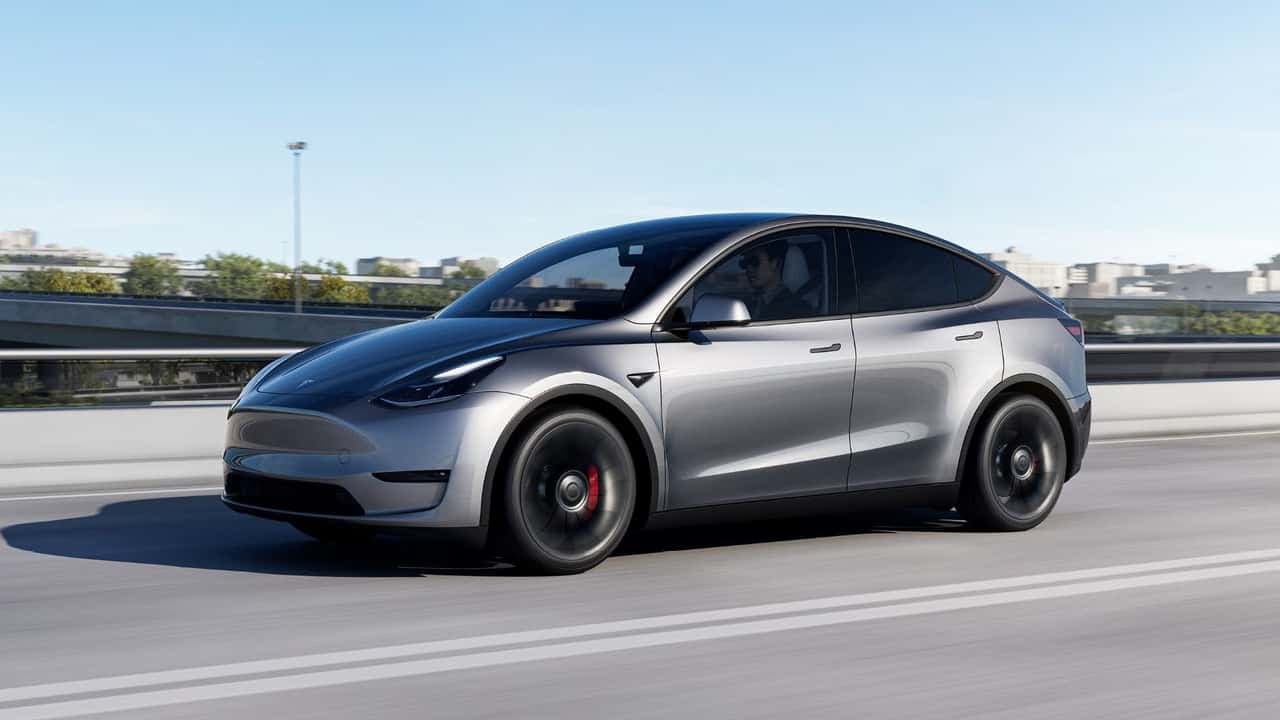
Even the brand's volume leaders are being streamlined. Recent adjustments to the Model Y lineup, which include the elimination of more affordable all-wheel-drive variants, underscore a trend of prioritizing higher-margin vehicles and clearing factory space for the next generation of autonomous platforms. While the upcoming redesigned Roadster remains a promised spectacle, it serves as a niche performance halo rather than a replacement for the practical family vehicles the company is moving away from.

Why It Matters

  • Strategic Shift: Tesla is trading a diverse fleet of human-driven vehicles for a highly specialized focus on autonomous transit.
  • Regulatory Hurdles: The Cybercab is designed without steering wheels or pedals, facing intense scrutiny from international safety regulators who have yet to grant widespread approval for such vehicles.
  • Market Risks: By consolidating its lineup and focusing heavily on FSD (Full Self-Driving) technology, Tesla faces significant financial risk if the timeline for global autonomous regulation is delayed.

The Regulatory and Operational Challenge

Despite the immense capital commitment to a German factory, the deployment of the Cybercab faces substantial headwinds. In Europe, the regulatory environment is notoriously cautious. While some progress has been made on supervised driving systems, moving toward a completely driverless vehicle without manual controls remains an enormous legal hurdle. EU-wide approval for such technology is currently pending, and Tesla’s existing efforts with its "Assisted Driving" software—which still requires human attention—illustrate just how slow the bureaucratic process can be.

Ultimately, Tesla’s reliance on the success of its autonomy gamble is intensifying. With fewer traditional models to fall back on, the company is effectively putting its future on the line in the hope that robotaxis will eventually replace the demand for private car ownership. Whether this bet on autonomy will provide the profit margins required to offset the loss of its mainstream luxury and utility vehicles remains the defining question for the company’s next decade.
SPONSORED
The 5 Best Over-Ear ANC Headphones of 2026, Tested & Ranked
Editor's Pick Guide
92/100
Tech & Gadgets•12 min read

The 5 Best Over-Ear ANC Headphones of 2026, Tested & Ranked

We locked five over-ear ANC picks for 2026 — Sony WH-1000XM6, Bose QuietComfort Ultra 2, Soundcore Space One, Sennheiser Momentum 5, and Apple AirPods Max 2 — then stress-tested them on lab metrics, long-term owner truth, and live street prices.

Related Stories

Semantically matched articles, ranked by topic overlap and freshness.

Vice City Goes Electric: How GTA VI Is Shaping EV Culture
Electric Vehicles

Vice City Goes Electric: How GTA VI Is Shaping EV Culture

Grand Theft Auto VI has arrived, and it is bringing a surge of electric vehicle culture—and lightning-fast charging—to the fictional streets of Leonida.

Fleet Electrification Giant Zenobē Targets German Market Expansion
Electric Vehicles

Fleet Electrification Giant Zenobē Targets German Market Expansion

British specialist Zenobē is bringing its 'Electric Transport-as-a-Service' model to Germany, combining fleet management with grid-scale battery storage infrastructure.

The Ghost of Saab: Complete NEVS Emily GT Project Heads to Auction
Electric Vehicles

The Ghost of Saab: Complete NEVS Emily GT Project Heads to Auction

A rare opportunity to own a piece of automotive history has arrived as the entire NEVS Emily GT electric project, including prototypes and technical blueprints, hits the auction block.

Energy In Motion Lands Massive 500-Truck Deal to Electrify India’s Freight Corridors
Electric Vehicles

Energy In Motion Lands Massive 500-Truck Deal to Electrify India’s Freight Corridors

In a major push for sustainable logistics, Indian firm Energy In Motion has secured a significant order for 500 heavy-duty electric tractors to serve key port infrastructure.

The End of the Road: Why Hyundai Shelved the N Vision 74
Electric Vehicles

The End of the Road: Why Hyundai Shelved the N Vision 74

Hyundai’s retro-futuristic N Vision 74 concept, a darling of the enthusiast community, has been officially sidelined as the automaker struggles to justify the business case for production.

Bentley’s Electrification Gamble Pays Off as Torcal Sells Out for 2027
Electric Vehicles

Bentley’s Electrification Gamble Pays Off as Torcal Sells Out for 2027

Bentley's first foray into the world of pure electric vehicles has been a resounding success, with the entire 2027 production run of the Torcal eSUV already fully reserved.

German Safety Report Highlights Growing Reliability Concerns for Tesla Model Y
Electric Vehicles

German Safety Report Highlights Growing Reliability Concerns for Tesla Model Y

New data from Germany’s rigorous TÜV inspections reveals high failure rates for the Tesla Model Y, particularly regarding suspension and braking components.

Envision AESC Hits Major Milestone with 10 Million 46120 Battery Cells Delivered
Electric Vehicles

Envision AESC Hits Major Milestone with 10 Million 46120 Battery Cells Delivered

Envision AESC has reached a massive production milestone for its large-format cylindrical cells, now powering BMW’s latest electric vehicle lineup.