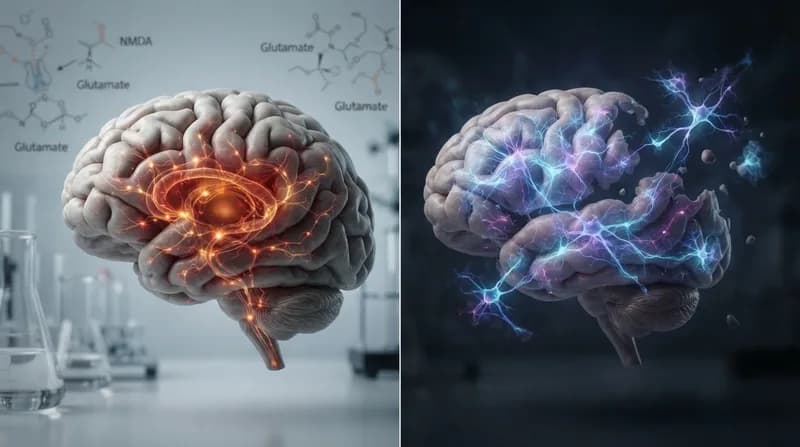
Recent findings have shed new light on the tau protein, a molecule primarily known for its destructive role in Alzheimer's disease. According to a study conducted on mice, researchers discovered that tau is actually essential for the brain's ability to convert new experiences into stable, long-term memories.
The Architect of Memory
The study reveals that tau helps organize the specific brain cells responsible for storing information. By facilitating this structural organization, the protein ensures that the neural pathways required for memory formation are properly established. Without the functional presence of tau, the brain struggles to anchor new information effectively.
A Dual Role in Disease
While healthy tau supports memory, the research also highlights how abnormal tau contributes to cognitive decline. In the context of Alzheimer's, the protein becomes dysfunctional, disrupting both the creation of new memories and the retrieval of existing ones. This dual impact explains why memory loss is such a pervasive and devastating symptom of the condition. Understanding this fundamental role of tau could pave the way for new therapeutic strategies that focus on preserving the protein's memory-forming functions while preventing its toxic accumulation.