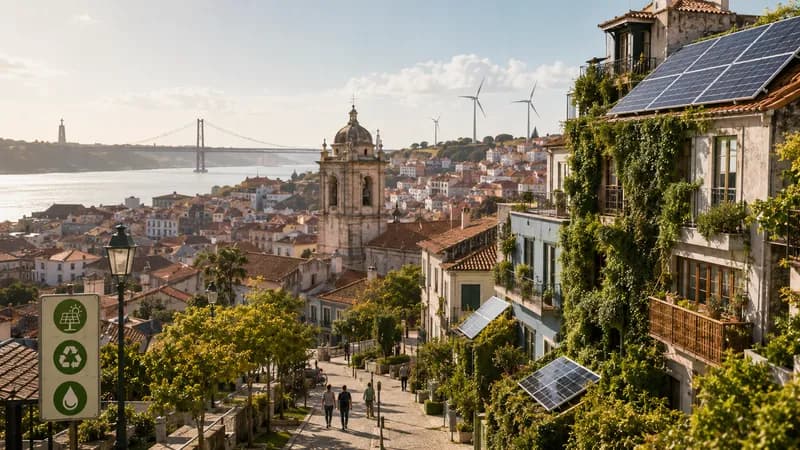
For over a decade, researchers and urban planners have grappled with a fundamental question: is it possible for humanity to maintain a high standard of living without exceeding the Earth's ecological boundaries? While the challenge of reducing energy and material consumption often seems insurmountable, a historic city in Portugal is emerging as a case study for this transition.
The Portuguese Model
The initiative focuses on 'walking the tightrope' between modern human needs and environmental preservation. By rethinking how resources are distributed and used within the urban environment, the project aims to prove that a 'good life' is not strictly tied to high-carbon lifestyles. This decade-long effort reflects a growing shift in sustainability science, moving away from theoretical models toward practical, city-scale implementations.
Living Within Our Means
The core of the strategy involves cutting back on the excessive use of materials while ensuring that essential services and quality of life remain high. This balanced approach provides a potential blueprint for other historic European cities looking to modernize their sustainability frameworks without losing their cultural identity or compromising the well-being of their residents.