The Dual Purpose of Prehistoric Glue
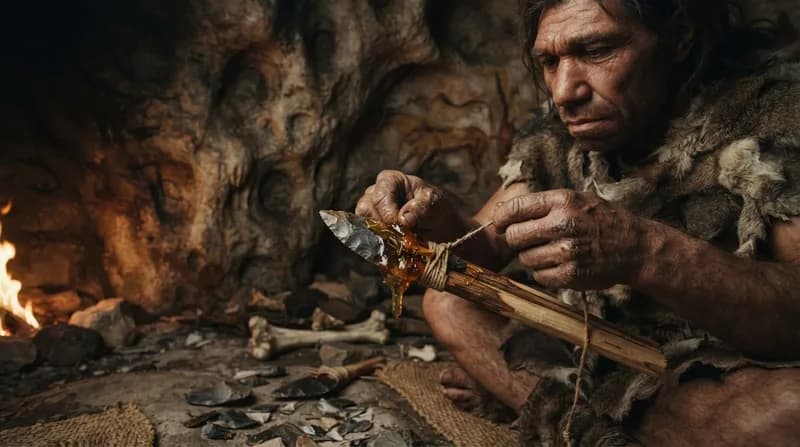
For decades, archaeologists have viewed birch tar as a foundational technology for our ancient ancestors. Found smeared on stone tools and weapon fragments, this viscous material was the primary adhesive of the Neanderthal world, essential for hafting blades and creating durable hunting implements. However, a collaborative study involving researchers from the University of Cologne, Oxford, and several other institutions suggests that this sticky resin might have been far more than a simple structural glue.
The study proposes that Neanderthals, far more sophisticated in their understanding of natural materials than previously assumed, may have harnessed the chemical properties of birch tar as a medicinal agent. By investigating the antibacterial potential of this resin, scientists are challenging the narrative that prehistoric life was devoid of complex pharmaceutical knowledge.
Recreating Pleistocene Production Methods
To determine if this material truly offered medicinal benefits, researchers had to step back into the shoes of their ancestors. Rather than using modern industrial chemical extraction, the team reconstructed the exact production environments available during the Pleistocene era. One method involved a sophisticated dry distillation process, where birch bark was sealed inside an underground pit and heated with minimal oxygen, forcing the bark to break down into a raw, tar-like substance.
A second, simpler method involved burning birch bark in proximity to a stone or other solid surface, allowing the vapors to condense into a residue. By testing both of these historically accurate production techniques, the research team ensured that their findings were grounded in the physical reality of Neanderthal daily life. Every sample produced, regardless of the technique, displayed consistent chemical traits that were then put to the test against modern biological threats.
The Fight Against S. Aureus
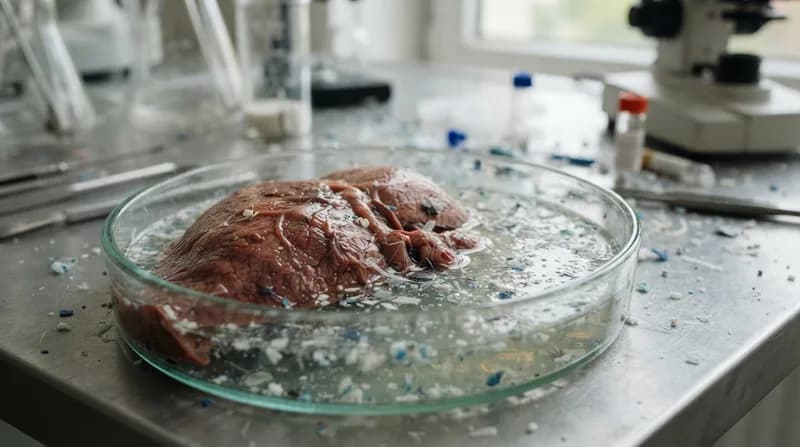
The most compelling discovery in the research is the material's interaction with Staphylococcus aureus, a notorious bacterium responsible for severe, difficult-to-treat infections. In laboratory settings, the experimentally produced birch tar effectively inhibited the growth of these bacteria. This suggests that if a Neanderthal had applied this resin to a wound—perhaps as a sealant to keep debris out—it would have provided a secondary, functional benefit of preventing bacterial colonization.
While this does not provide definitive proof that these ancient hominids intentionally treated infections, it demonstrates that the materials they produced had the biological potential to do so. The ubiquity of birch tar at archaeological sites, combined with emerging evidence of plant-based medical knowledge, paints a picture of a species that interacted with their environment through a lens of utility and survival, identifying properties of nature that we are only now fully rediscovering.
Why It Matters
- Antibiotic Resistance: As modern medicine struggles with drug-resistant superbugs, this research highlights that ancient, natural substances may hold untapped chemical secrets for future antibiotic development.
- Cognitive Complexity: The ability to select materials not just for their physical strength, but for their chemical or medicinal properties, suggests that Neanderthals possessed a higher degree of environmental intelligence than traditionally credited.
- Human Evolution: This study shifts our understanding of medical history, pushing the timeline of 'practical medicine' much deeper into the past than the previously accepted record.
An Outlook on Ancient Medicine
The implications of this discovery extend far beyond anthropology. By demonstrating that prehistoric adhesives could act as medicinal barriers, the study encourages a deeper scientific look into ethnographic and ancient records for potential pharmacological solutions. While birch tar is not ready to replace modern clinical treatments, the ability of ancient materials to neutralize dangerous pathogens serves as a reminder that the natural world has always been a laboratory. Moving forward, the research team suggests that targeted studies on other traditional materials could offer new paths for scientists looking to combat the global rise of antibiotic-resistant bacteria.