A New Front in the Chip Wars
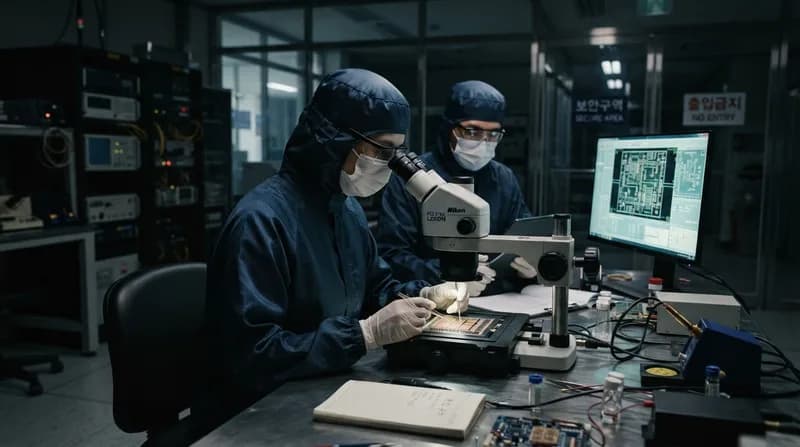
South Korea has officially moved to fortify its semiconductor industry, the lifeblood of its national economy, by implementing drastic changes to its industrial espionage laws. As global competition over advanced computing hardware intensifies, the South Korean government is taking aggressive steps to block the illegal transfer of proprietary chip-manufacturing processes to foreign actors, with a clear focus on the growing pressure from China.
This legislative overhaul comes in response to an alarming rise in attempts by rival firms to poach South Korean engineers. These companies have reportedly utilized exorbitant salary packages and lucrative incentives to entice experts into defecting with sensitive data on next-generation fabrication techniques. By raising the stakes for corporate espionage, Seoul aims to neutralize these predatory recruitment tactics.
Why it matters
- National Security: Semiconductors are categorized as "national core technologies," making their protection a matter of sovereign stability.
- Geopolitical Balancing: The move aligns with US-led efforts to restrict China's access to cutting-edge silicon, placing South Korea’s tech giants, such as Samsung and SK Hynix, at the center of a complex geopolitical tug-of-war.
- Workforce Oversight: The new framework introduces strict monitoring of experts who hold specialized knowledge. Authorities are establishing alert systems to track the career movements of personnel in high-stakes fields to mitigate the "brain drain" toward state-subsidized competitors.
The implications of these laws are profound. Beyond just longer prison sentences for offenders, the integration of professional tracking mechanisms marks a significant shift in how the state manages human capital. While Seoul seeks to safeguard its intellectual property, it must also navigate the delicate task of shielding its innovations without completely severing the vital commercial ties it maintains with China. This strategy reflects a broader trend among major tech-exporting nations, where the boundary between national security and industrial policy is increasingly blurring. As the global race for silicon superiority heats up, South Korea’s firm stance serves as a reminder that in the modern tech era, the most valuable hardware is often the knowledge used to create it.