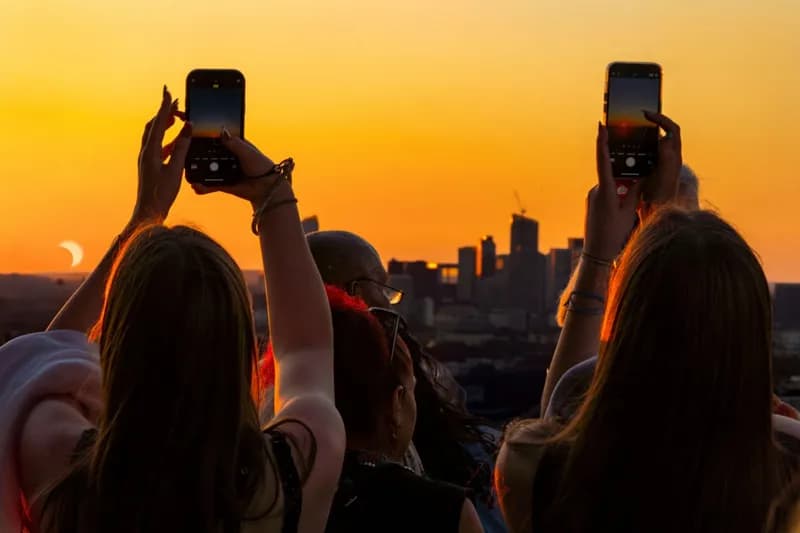
The upcoming total solar eclipse in August 2026 presents a unique opportunity for the scientific community to study the Sun’s corona and its effects on Earth's atmosphere. While professional observatories will be deployed along the path of totality, scientists are increasingly relying on public participation to expand their data sets.
Expanding the Reach of Solar Research
Citizen science projects allow non-professionals to use accessible technology, such as smartphones and consumer-grade cameras, to document solar phenomena. These contributions help fill geographical gaps that professional equipment cannot cover, providing a more comprehensive view of the eclipse's progression.
Five Ways to Contribute
Current initiatives for 2026 focus on various aspects of the event, including monitoring temperature drops, recording animal behavior, and capturing high-resolution imagery of the solar corona. By participating in these projects, volunteers assist in gathering massive amounts of data that would otherwise be impossible to collect by a single research team.
As the event nears, specific protocols and mobile applications will be released to ensure that the data collected by the public meets scientific standards for analysis.