A Persistent Agricultural Puzzle
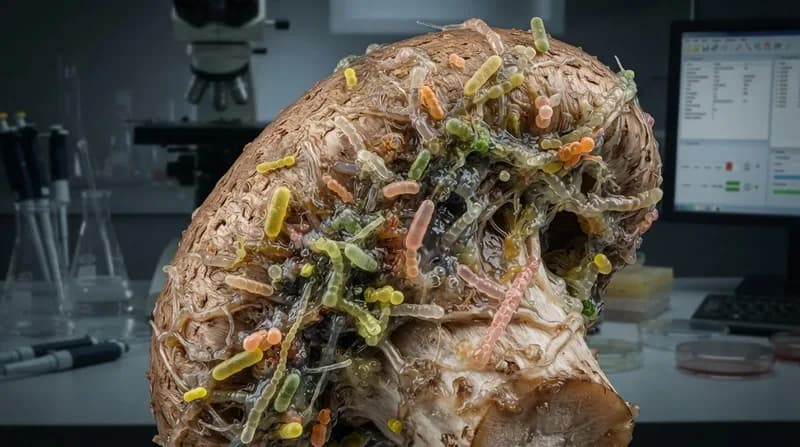
For over a century, white button mushroom growers have battled a stubborn and costly ailment known as bacterial blotch. This condition, characterized by unsightly yellow or brown discoloration on the surface of the fungi, significantly impacts crop yields and shelf life. Often, the damage is so subtle during the initial harvest that it only becomes apparent once the product has reached the consumer, leading to substantial financial losses and supply chain waste. For decades, the scientific consensus focused on identifying a single bacterial culprit, yet treatments targeting individual pathogens have consistently failed to provide reliable results.
A recent breakthrough from the University of Florida Institute of Food and Agricultural Sciences (UF/IFAS) has fundamentally shifted this narrative. By employing advanced genetic sequencing and chemical profiling, researchers have determined that bacterial blotch is not the work of a single organism, but rather a complex, multi-species infection. This revelation explains why legacy management practices have struggled to contain the disease: current protocols were essentially fighting the wrong war by targeting a solitary threat rather than a diverse ecosystem of pathogens.
The Multi-Pathogen Discovery
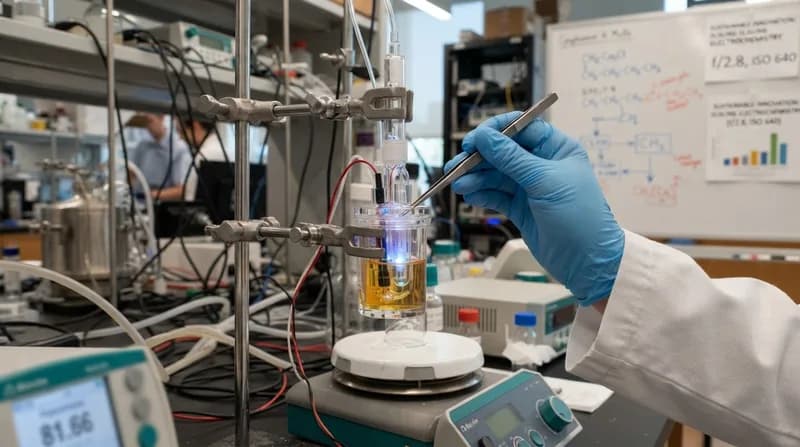
The research team, led by doctoral student Sameerika Mudiyanselage and assistant professor Samuel Martins, collected affected mushroom samples from various production facilities across the southern United States. Through rigorous DNA analysis, they identified more than 17 distinct species of bacteria capable of causing the blotch symptoms. While two previously identified pathogens remain the dominant forces in the disease profile, the discovery of a wide array of other contributing microorganisms has proven to be a game-changer for agricultural science.
This finding highlights a critical oversight in how the agricultural industry has approached crop health. When a disease is driven by a complex microbial community rather than a lone bacterium, traditional chemical interventions become far less effective. The diversity of these pathogens—thriving in the high-humidity, controlled environments required for commercial mushroom farming—requires a much broader diagnostic approach than what was previously deemed sufficient by producers.
Toward Sustainable Solutions
The implications of this study extend beyond academic discovery; they provide a roadmap for the future of mushroom cultivation. Armed with the knowledge that they are dealing with a multi-species complex, researchers are now pivoting toward more sustainable, eco-friendly management strategies. The team is currently investigating biological alternatives, such as the use of plant-derived essential oils and beneficial microorganisms, which could suppress harmful bacteria without the need for harsh conventional chemicals.
Why it Matters
- Diagnostic Evolution: Growers will now need more advanced, comprehensive detection tools to screen for the full spectrum of identified pathogens.
- Sustainability Shifts: By moving away from broad-spectrum chemical treatments, the industry can reduce its ecological footprint and potential chemical residue on crops.
- Crop Resilience: Understanding the microbial ecosystem surrounding white button mushrooms allows for more targeted interventions, directly increasing profitability for farmers.
As the researchers move forward with follow-up studies, the goal remains to integrate these findings into practical, science-based solutions that can be applied in real-world farming environments. By unraveling the hidden complexity of a hundred-year-old disease, the scientific community is finally clearing the path for a more productive and sustainable future for one of the world's most versatile specialty crops.