The Path to Production in South Carolina
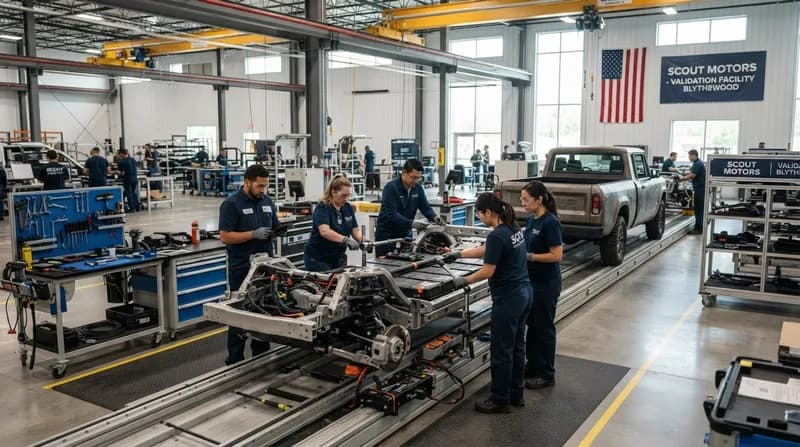
Volkswagen’s ambitious revival of the iconic Scout nameplate is moving from architectural plans to tangible reality. The company has confirmed that it has officially begun the assembly of its first validation vehicles at the brand-new production facility in Blythewood, South Carolina. This manufacturing milestone serves as a vital stress test for the $2 billion facility, allowing engineers to verify production feasibility, calibrate high-precision robotics, and ensure that component quality meets the rigorous standards required for the upcoming Scout Traveler SUV and Terra pickup.
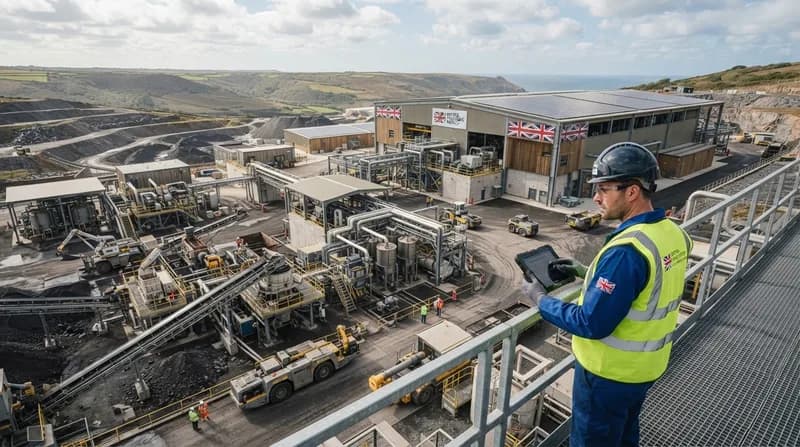
The facility itself is a centerpiece of Volkswagen's U.S. electrification strategy. With the majority of the heavy production equipment now installed, the plant is in the final stages of its construction timeline. The site currently utilizes state-of-the-art manufacturing technologies, including AI-assisted weld seam monitoring, to ensure each vehicle chassis is assembled with surgical precision. For the production team, which includes industry veterans experienced in scaling massive EV operations, this phase is about refining the workflow before the high-volume pressures of series production begin.
The Evolution of the Scout Lineup
The journey to the market has been anything but conventional for the brand. When the project was first announced, the expectation was a portfolio of purely battery-electric vehicles. However, shifting consumer demand has forced a strategic pivot. Market data from over 210,000 non-binding reservations indicated a massive appetite for flexibility, with 87% of prospective customers expressing a desire for range-extender technology. Consequently, Scout has adapted its roadmap to prioritize these hybrid-electric models.
As it stands, the launch sequence is expected to start with the Scout Traveler SUV, followed by the robust Terra pickup. The company is currently navigating a development timeline that will see validation vehicles refined throughout 2027, with customer deliveries anticipated to commence in 2028. This deliberate, phased approach is designed to ensure that the initial vehicles rolling off the line are polished and capable of meeting the heavy-duty demands implied by the brand's rugged heritage.
Why It Matters: A Strategic Multi-Brand Hub
- Scalability: The Blythewood plant is not just for Scout; it is positioned as a strategic asset for the wider Volkswagen Group.
- Audi Integration: Plans have been finalized for the site to produce approximately 25,000 Audi vehicles annually, signaling a long-term commitment to shared production architecture.
- Range Flexibility: The pivot toward range-extender powertrains proves that legacy manufacturers are increasingly willing to tailor technology to meet specific North American consumer preferences rather than relying solely on full-EV portfolios.
- Economic Impact: The project remains one of the most significant automotive investments in South Carolina, expected to create over 4,000 permanent jobs.
An Outlook on Future Operations
The integration of Audi production into the South Carolina plant adds a layer of complexity and opportunity to the facility’s output. While specific models remain under wraps, the facility is being designed for maximum modularity to accommodate different vehicle architectures. By leveraging the same foundational plant layout for both the rugged Scout lineup and premium Audi offerings, the Volkswagen Group is aiming for a level of manufacturing efficiency that could redefine its North American profitability.
As the team in Blythewood transitions from equipment calibration to trial production runs, the focus remains firmly on quality control. The months ahead will be defined by the rigorous optimization of these validation units. For a brand that trades on its legendary history of reliability and off-road capability, this period of testing is the most critical hurdle before Scout officially stakes its claim in the competitive modern landscape of electric and electrified utility vehicles.