
Scientists have engineered a prototype cell containing 36 bacterial genes that demonstrates limited self-replication capabilities. This advance reflects progress in understanding synthetic cellular systems, though the cell is not yet recognized as a fully living organism.
ScienceTechnical Deep Dive
Scientists Create Prototype Cell with Limited Self-Replication
Published
EElectricBuzz Editorial Team
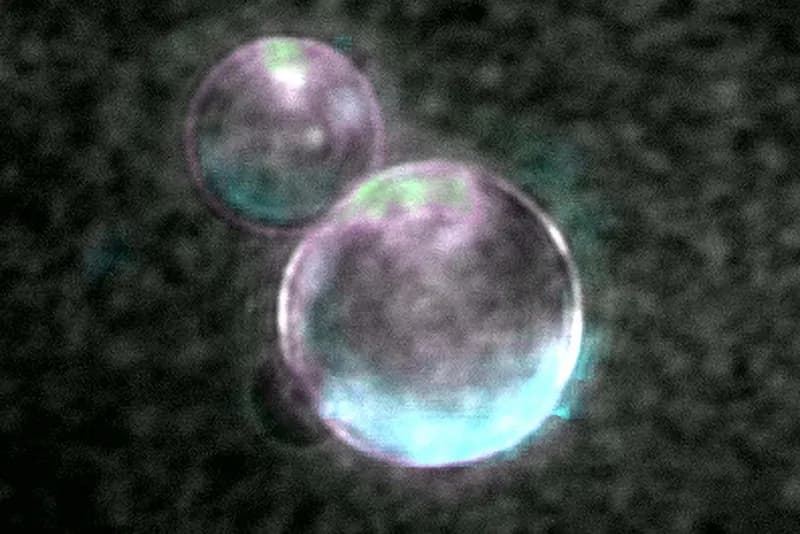
1 min read36 wordsElectricBuzz Editorial Team
The Gist
“Researchers have developed a prototype cell incorporating 36 bacterial genes that can partially replicate itself, marking a step forward in synthetic biology.”
SPONSORED


Editor's Pick Guide
92/100
Tech & Gadgets•12 min read
The 5 Best Over-Ear ANC Headphones of 2026, Tested & Ranked
We locked five over-ear ANC picks for 2026 — Sony WH-1000XM6, Bose QuietComfort Ultra 2, Soundcore Space One, Sennheiser Momentum 5, and Apple AirPods Max 2 — then stress-tested them on lab metrics, long-term owner truth, and live street prices.
Related Stories
Semantically matched articles, ranked by topic overlap and freshness.
Science
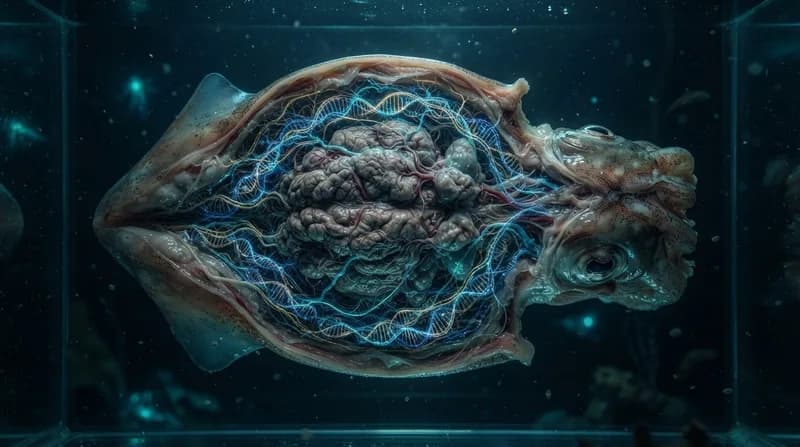
Unlocking the Genetic Blueprint of Octopus Intelligence
A groundbreaking study suggests that the extraordinary cognitive abilities of cephalopods may stem from an ancient, massive restructuring of their 3D genome architecture.

Science
Eyes in Orbit: Europe's Sentinel-3C Begins Its Climate Monitoring Mission
Europe's latest Earth observation satellite has beamed back its first high-resolution imagery and vital climate data just two weeks after launch.

Science
Hidden Hazards: Study Uncovers Undeclared Drugs in Popular Online Skin Products
A recent study has revealed that one-third of analyzed over-the-counter skin products sold online contain undisclosed, high-potency medical ingredients.
Science
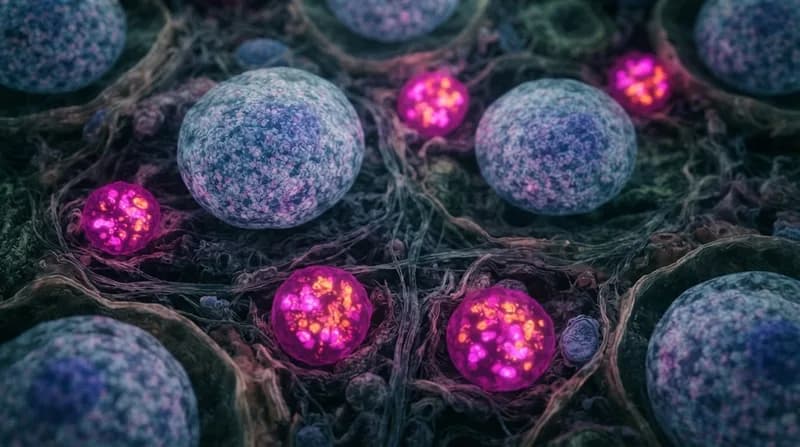
Size Matters: Why 'Smaller' Cancer Cells Pose a Greater Threat
Researchers have identified a counterintuitive danger in cancer biology: smaller cells with extra chromosomes are proving significantly more aggressive and treatment-resistant than their larger counterparts.
Science
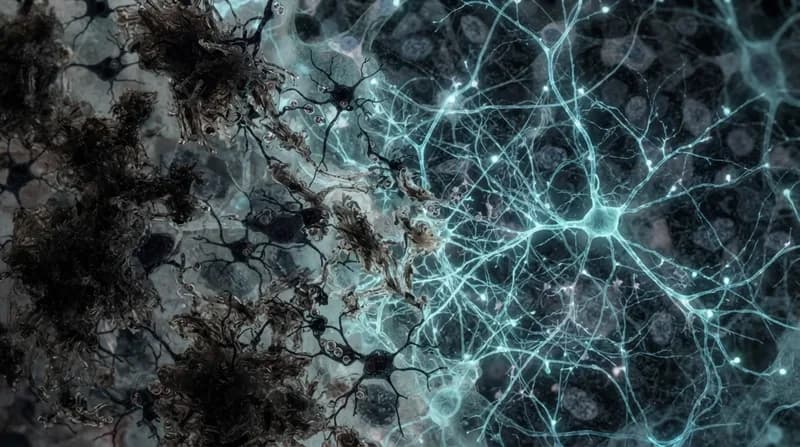
A Rare Brain Autopsy Offers New Clues in the Fight Against Alzheimer’s
Researchers at Penn Medicine have identified a direct link between amyloid plaque clearance and reduced tau accumulation, providing a breakthrough in understanding Alzheimer’s progression.

Science
Unlocking Earth's Ancient Breath: The 2.3-Billion-Year-Old Nutrient Cycle
New geochemical research reveals a self-sustaining phosphorus feedback loop that allowed Earth's early atmosphere to remain oxygen-rich, fundamentally shifting our understanding of how life persisted.
Science
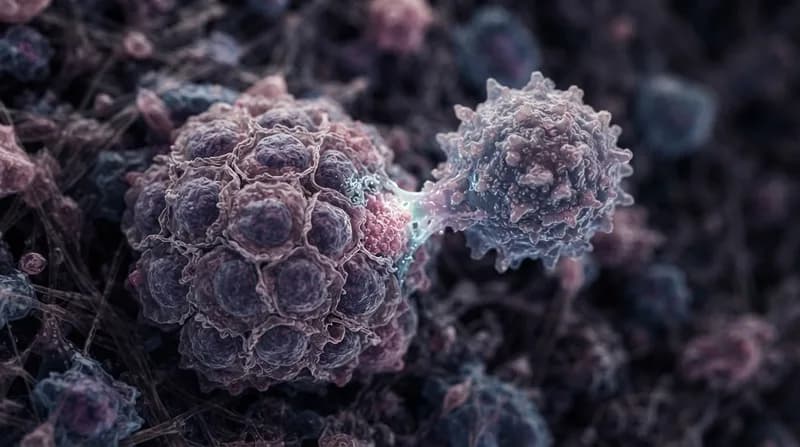
A Hidden Immune Defense: New Research Reveals How to Combat Aggressive Lung Cancer
Researchers at the Walter and Eliza Hall Institute have discovered a specialized immune cell capable of piercing the defenses of small cell lung cancer, offering a potential breakthrough in treatment.

Science
Redefining Neurotrauma: A New Blueprint for Long-Term Care
International medical researchers propose a shift in how traumatic brain and spinal cord injuries are managed, advocating for a transition from episodic treatment to integrated, lifelong chronic-care models.