A New Frontier in Oncology
Small cell lung cancer (SCLC) has long been considered one of the most formidable adversaries in modern oncology. With a global five-year survival rate of less than 7%, the disease is notoriously aggressive and remarkably adept at evading the body’s conventional immune response. Current immunotherapy treatments, which have revolutionized care for other cancers, often fail to produce durable results for SCLC patients because the tumor cells essentially become invisible to the standard immune cells tasked with hunting them down.
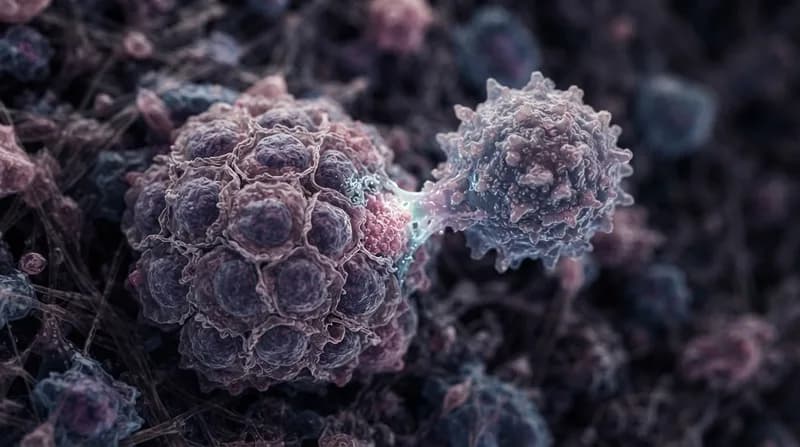
However, a groundbreaking study published in the journal Cancer Cell by researchers at the Walter and Eliza Hall Institute (WEHI) has identified a promising new pathway to overcome this evasion. The team has uncovered a previously overlooked population of immune cells—gamma delta T cells—that possess the unique ability to recognize and neutralize SCLC cells, even when they attempt to hide from other parts of the immune system.
The Power of Mini-Tumors
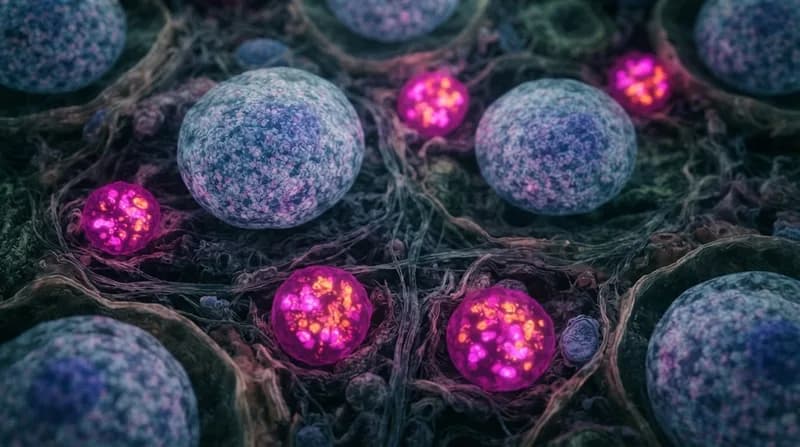
To validate this discovery, the researchers employed a highly sophisticated laboratory model: mini-tumors grown from patient tissue samples. By cultivating these samples in collaboration with the Victorian Cancer Biobank and the Royal Melbourne Hospital, the team created a realistic environment that mirrored the complexities of actual SCLC. When these miniature tumors were exposed to gamma delta T cells harvested from patient blood, the cells demonstrated a remarkable capacity to identify and dismantle the cancerous growth.
The study further revealed that the effectiveness of these immune cells could be significantly amplified through a clever combination of existing, approved medications. By pairing tarlatamab, a targeted SCLC treatment, with zoledronate, a drug typically used for bone health, the researchers were able to create a synergistic effect. Zoledronate acts to expand the population of gamma delta T cells and refine their ability to spot tumors, while tarlatamab functions as a molecular bridge, pulling the immune cells into direct contact with the cancer to initiate destruction.
Why it Matters: Translating Lab Success to Clinical Care
- Overcoming Invisibility: The discovery provides a mechanism to target tumors that have historically bypassed traditional immune surveillance.
- Drug Repurposing: Because the study highlights the efficacy of drugs already approved for other conditions, the timeline for potential clinical application may be significantly shortened.
- Personalized Potential: The research suggests that adoptive transfer therapies—where a patient’s own immune cells are expanded outside the body and re-infused—could offer a new, highly tailored weapon against solid tumors.
- Evidence from Landmarks: Analysis of data from major immunotherapy trials like IMpower133 and CASPIAN confirms that patients with higher natural levels of these specific T cells consistently saw better outcomes, validating the laboratory findings.
Looking ahead, the research team is moving toward clinical translation, working alongside partners at the Doherty Institute. The goal is to develop a new class of immunotherapy drugs that can leverage these findings, potentially turning the tide for a disease that has seen precious little progress over the last several decades. By tapping into this hidden immune defense, clinicians may soon be able to offer hope to patients who were previously deemed unresponsive to standard treatments.